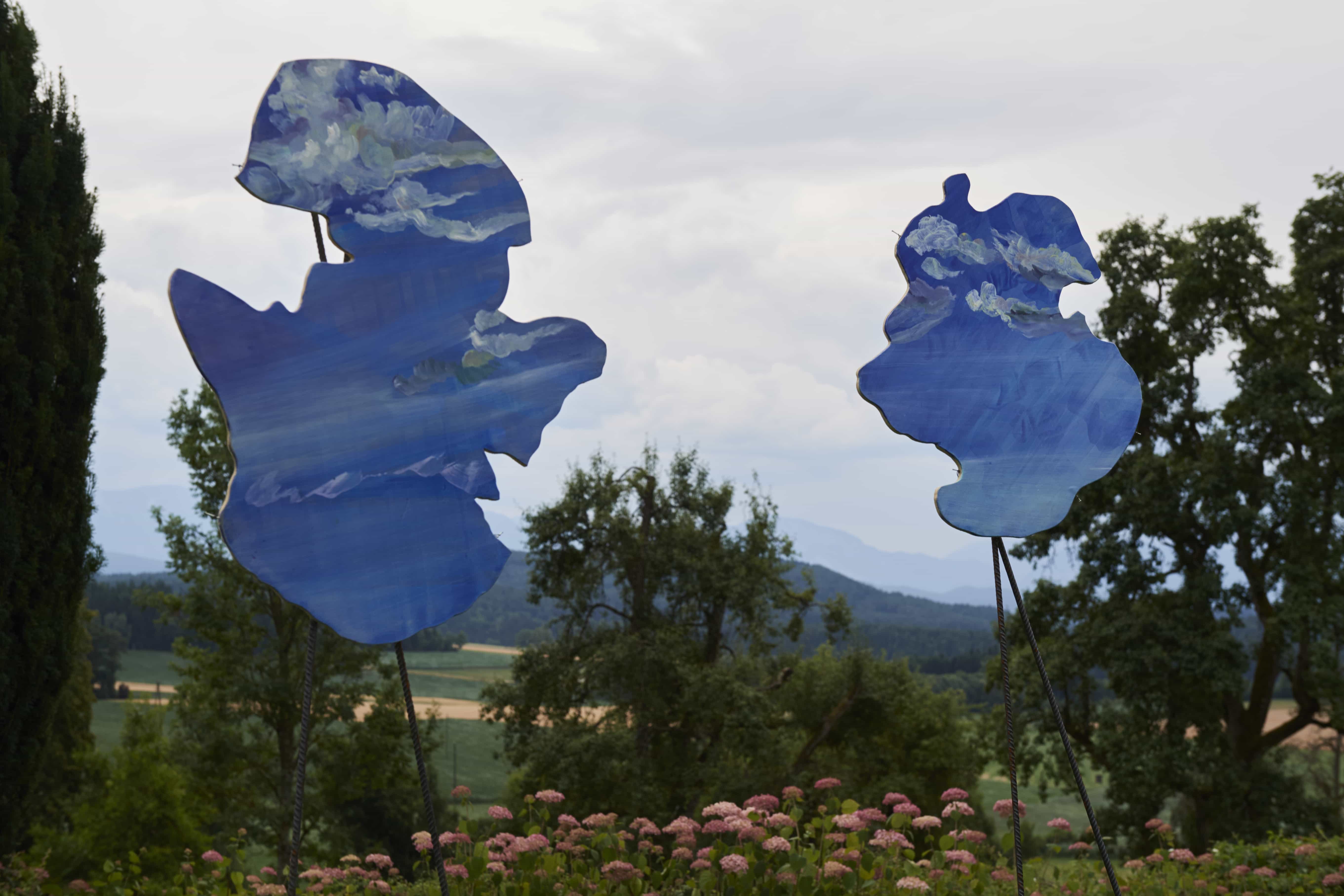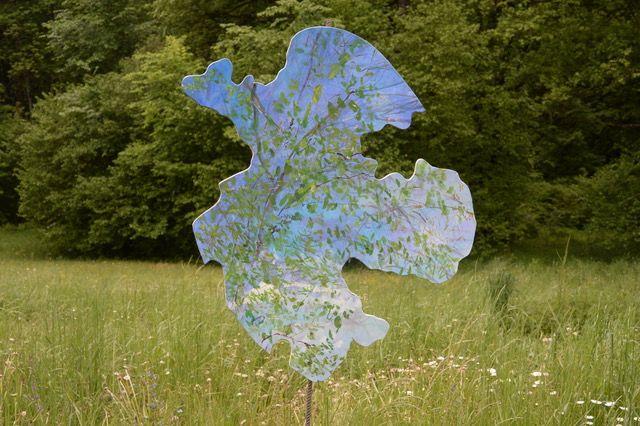


[Exhibition]
2025
Into The Wild
[Curator]
Domenico de Chirico


Domenico de Chirico
1983 | Born in Terlizzi (Bari), Italy; he currently lives and works in Milan, Italy.
Domenico de Chirico is an independent curator from Italy. He graduated with honors in Foreign Languages and Literatures from the University of Bari (UNIBA). From 2011 to 2015, he taught Visual Culture and Trend Research at the Istituto Europeo di Design (IED) in Milan. He collaborates with a wide range of international artists, galleries, institutions, art fairs, art prizes, and magazines worldwide. He served as Artistic Director of DAMA Fair, Turin (2016 to2019). He was a resident at the ARC Bucharest Research Residency Program for Curators (2017), a visiting tutor at Goldsmiths, University of London (2018), and a participant in the Network Event for Young Curators at LISTE—Art Fair Basel, Switzerland (2018). He has also been a jury member for the Arte Laguna Prize (2018), and a visiting professor at NICE—Course for Curators of Contemporary Art Exhibitions in Turin, UMPRUM—Academy of Arts, Architecture and Design in Prague, NABA—Nuova Accademia di Belle Arti in Milan, the Academy of Fine Arts in Prague, and the Accademia di Belle Arti di Bologna (ABABO). He was a visiting curator at the Swiss Institute in Rome and Artistic Director of ORTIGIA CONTEMPORANEA 2024—Contemporary Art Festival in Syracuse, Sicily. He served as a juror for the Premio Fondazione The Bank at ArtVerona 2024 and for We Art Open, Venice 2025. Ongoing projects and research include: committee member, SWAB, Barcelona, Spain; scientific board member and curator of the “Beyond Photography—Dialogue” section, MIA Photo Fair BNP Paribas, Milan, Italy; curator, Prisma Art Prize, Rome, Italy; curator of a special section for UNSEEN at Art Rotterdam 2026; professor at the Istituto Europeo di Design (IED), Milan.
[Artists]
Antonio Bokel
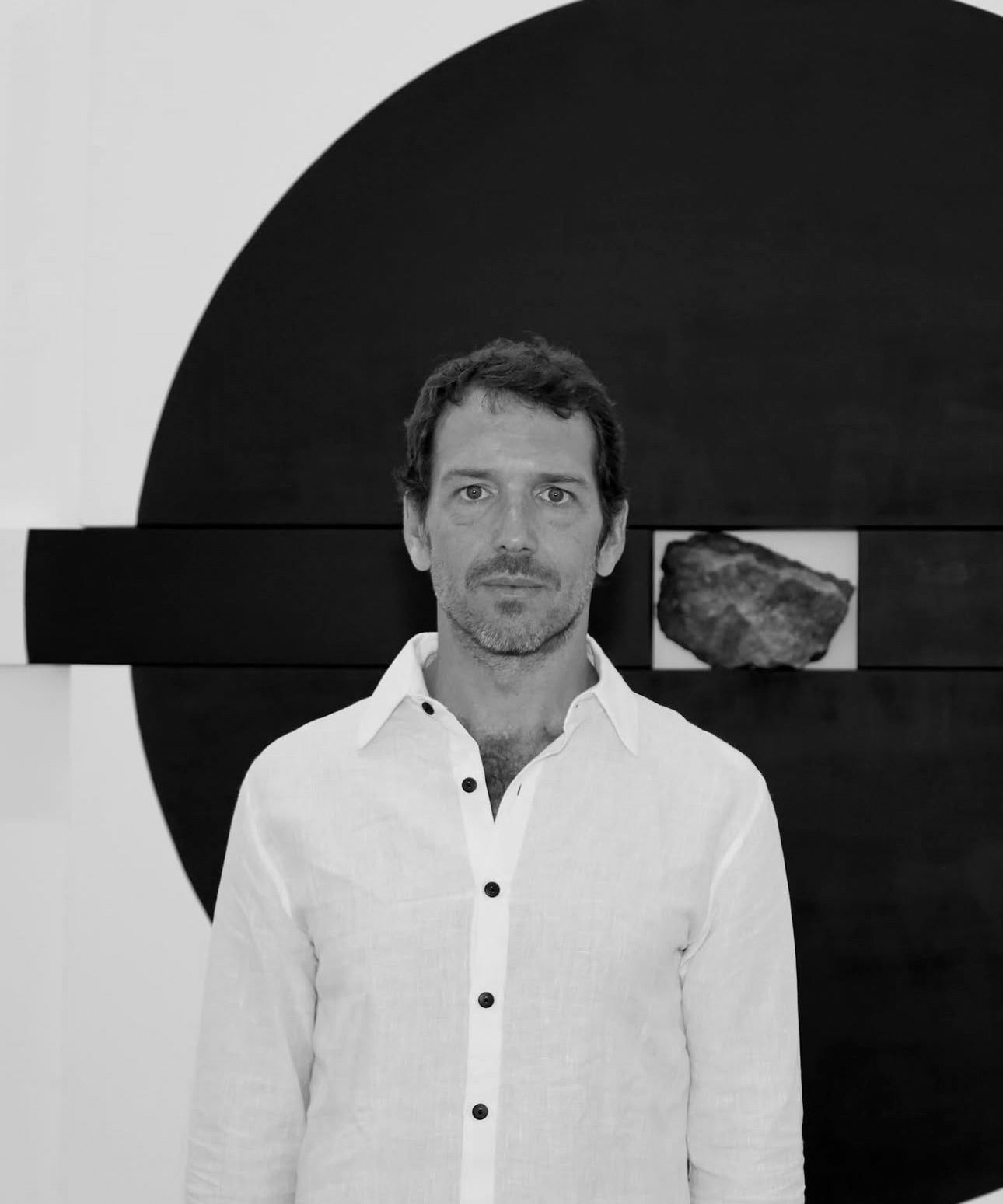
Antonio Bokel
1978 | Born in Rio de Janeiro, Brazil.
The Brazilian artist is known for his multifaceted practice, which spans painting, sculpture, installation, and literature. Drawing inspiration from historical movements such as Informalism, Pop Art, and Rational Constructivism, infused with elements of Concrete Poetry, his work also incorporates urban graphic interventions and bold chromatic experimentation. Bokel’s visual language is rich with cultural symbols and popular iconographies, creating a dynamic, non-logocentric aesthetic that reflects the layered complexity of urban and social landscapes. His work explores the tension between spontaneity and structure, aiming to embody the chaos and asymmetries of the world through gesture, movement, and form. In recent years, he has embraced flags as a liberating departure from traditional painting—a process reminiscent of Henri Matisse’s cut-outs—creating simple, colorful forms from scraps of fabric. For Bokel, flags are not emblems of division but symbols of unity, dismantling borders and striving toward a deeper human cohesion. These flags, animated by the wind, become metaphors for humanity’s capacity to transcend limitations through art, forging connections with the higher and more mysterious dimensions of existence. Bokel continually tests the boundaries and fluidities between collective and personal space, the street and the studio, movement and the lingering trace of its image. His practice engages with the complexities of contemporary life, merging images, languages, materials, and bodies of knowledge into experiences that defy categorization—demanding a critical and sensitive reorientation from the viewer.
Magda von Hanau
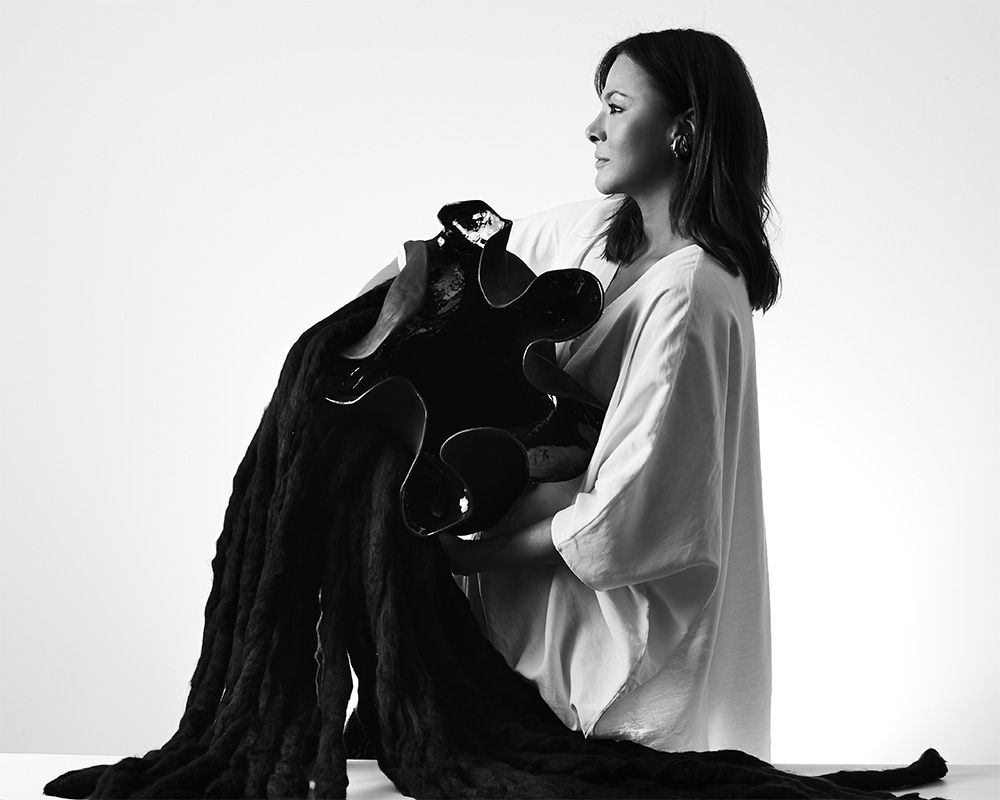
Magda von Hanau
1978 | Born in Barra Bonita, Brazil; she lives and works between Miami, USA, and Meiselberg, Austria.
Magda von Hanau holds a BFA from the Miami International University of Art & Design. Her multidisciplinary practice spans drawing, photography, installation, and sculpture, moving fluidly across cultures and artistic movements that are diverse yet deeply interconnected. Von Hanau’s work draws from a wide spectrum of influences—nature, feminism, history, instinct, and a profound fascination with transcendence. Grounded in explorations of time and space, her evolving conceptual frameworks examine enduring themes such as beauty, identity, loss, deconstruction, and fragmentation. These elements are interwoven to reveal layered narratives that transcend temporal boundaries and prompt viewers to rethink how we perceive the world around us. Rapidly gaining recognition on the international art scene, von Hanau has exhibited in prominent galleries, major exhibitions, and public art projects. Her work is held in prestigious private collections and has been featured in leading publications, including Architectural Digest Italia, ELLE Decor, Departures, Casa Vogue Brasil, Robb Report, and more.
Markus Orsini-Rosenberg
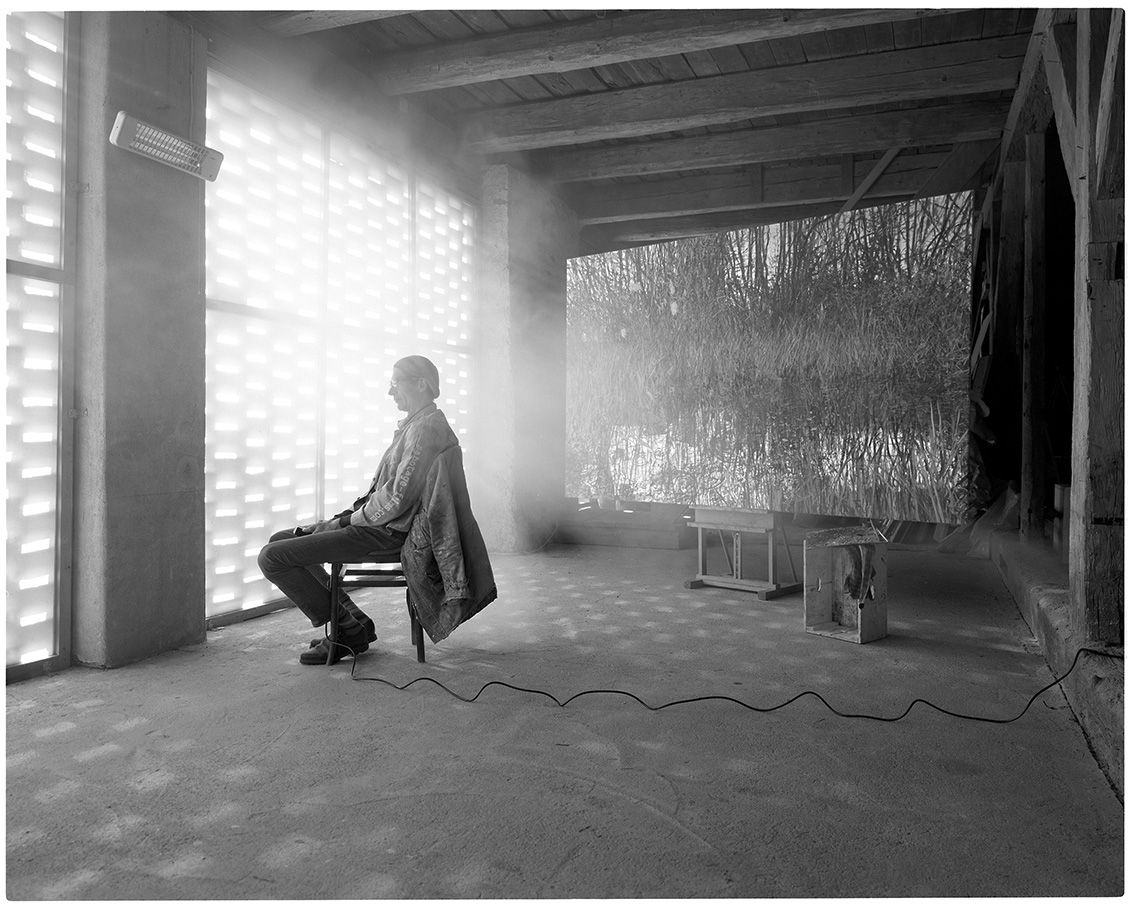
Markus Orsini-Rosenberg
1961 | Born in Vienna, Austria.
Markus Orsini-Rosenberg paints nature in its purest form—as it appears to the naked eye. Nature provides the very reason for his painting. The Carinthian artist, who once studied under Maria Lassnig, has long been devoted to traditional painting techniques. Countless brushstrokes and hours of labor are required to apply oil to canvas—a medium that reveals its lasting luminosity only through a natural process of oxidation. For Orsini-Rosenberg, nature is a source of strength, a challenge, and a continually evolving subject that never loses its inherent allure. In the present moment, his perception is attuned to a time that flows slowly—a time that belongs to him, self-slowed and self-shaped. His artistic reflections focus on what already exists, as well as on activating places that allow one to truly “see,” restoring to them what is most rightfully theirs: a constellation of essential and sensory elements. These include the horizon, the earth, the plain, agriculture, nourishment, righteousness, growth, the sky, the forest, breath, language, voice, blood, religion . . . or water, the river, energy, memory, forgetfulness, emotions, and so forth. In essence, his artistic practice involves viewing landscapes as reflections of states of being, a means of weaving together the natural world with thought, introspection, and cultural memory.
Eva Schlegel
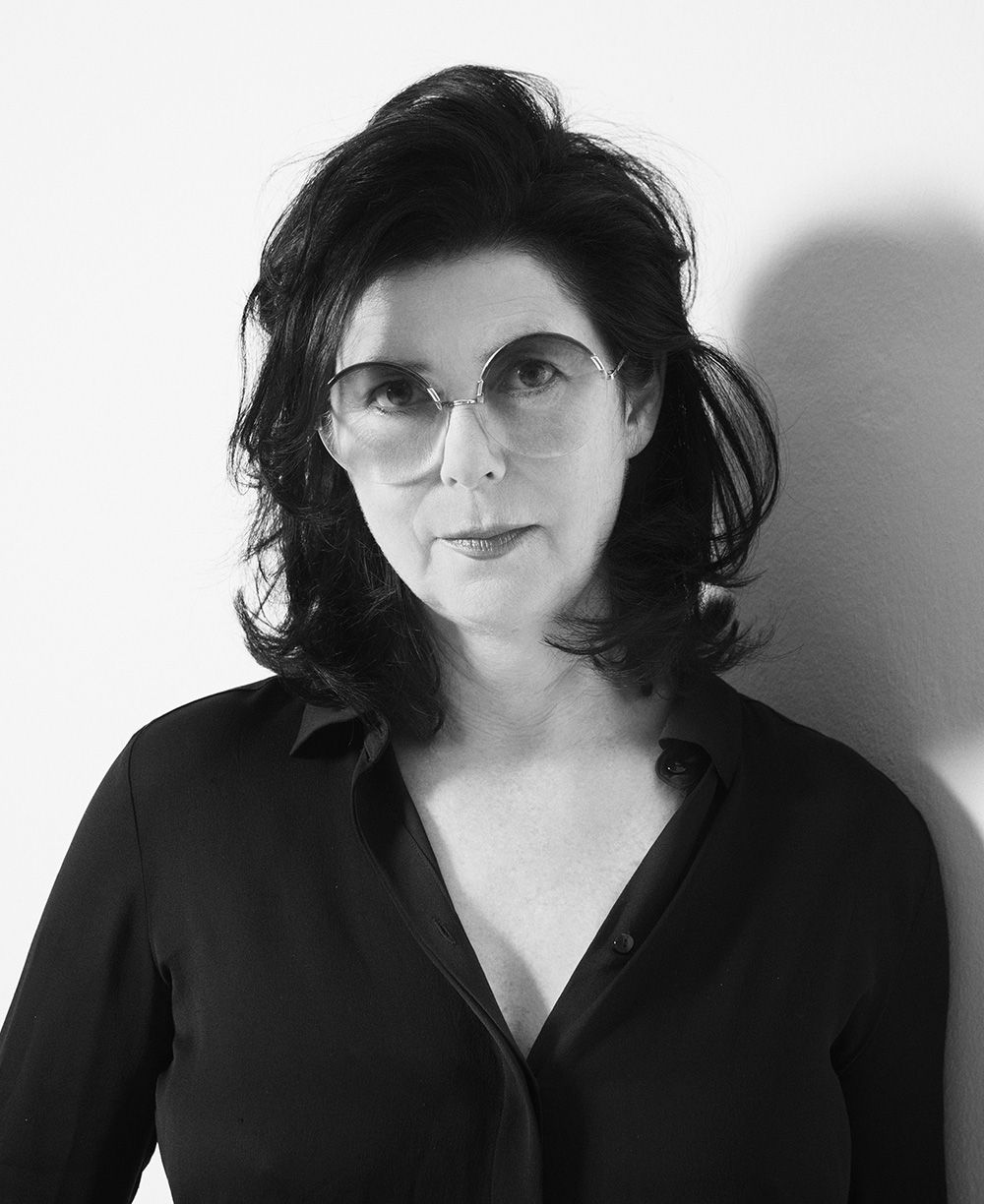
Eva Schlegel
1960 | Born in Hall, Austria; she lives and works in Vienna, Austria.
In her artistic practice, Eva Schlegel explores space in all its dimensions—architectural, mathematical, and physical. Working across photography, sculpture, and installation, she investigates the relationship between objects and perception, highlighting the contradictions and ruptures that emerge in this exchange. Her installations, often experimental and materially diverse, incorporate photography on surfaces such as lead, mirror, and glass. These works reflect a deep engagement with meaning—meaning that arises through deliberately shaped associations and the layered depths they uncover. Schlegel’s art moves within the tension between concealment and revelation, dissemination and secrecy. It probes the inner architecture of desire, and the visual legibility encoded in images. At once mesmerizing and elusive, her works challenge the intellectual frameworks we use to interpret ambiguous experiences of existence and perception. Within this terrain of inquiry, her practice oscillates between the dense, fated gravity of lead and the fleeting condensation of cloud-like forms—mirroring consciousness itself, as it shifts and reshapes from moment to moment.
Daniel Spivakov
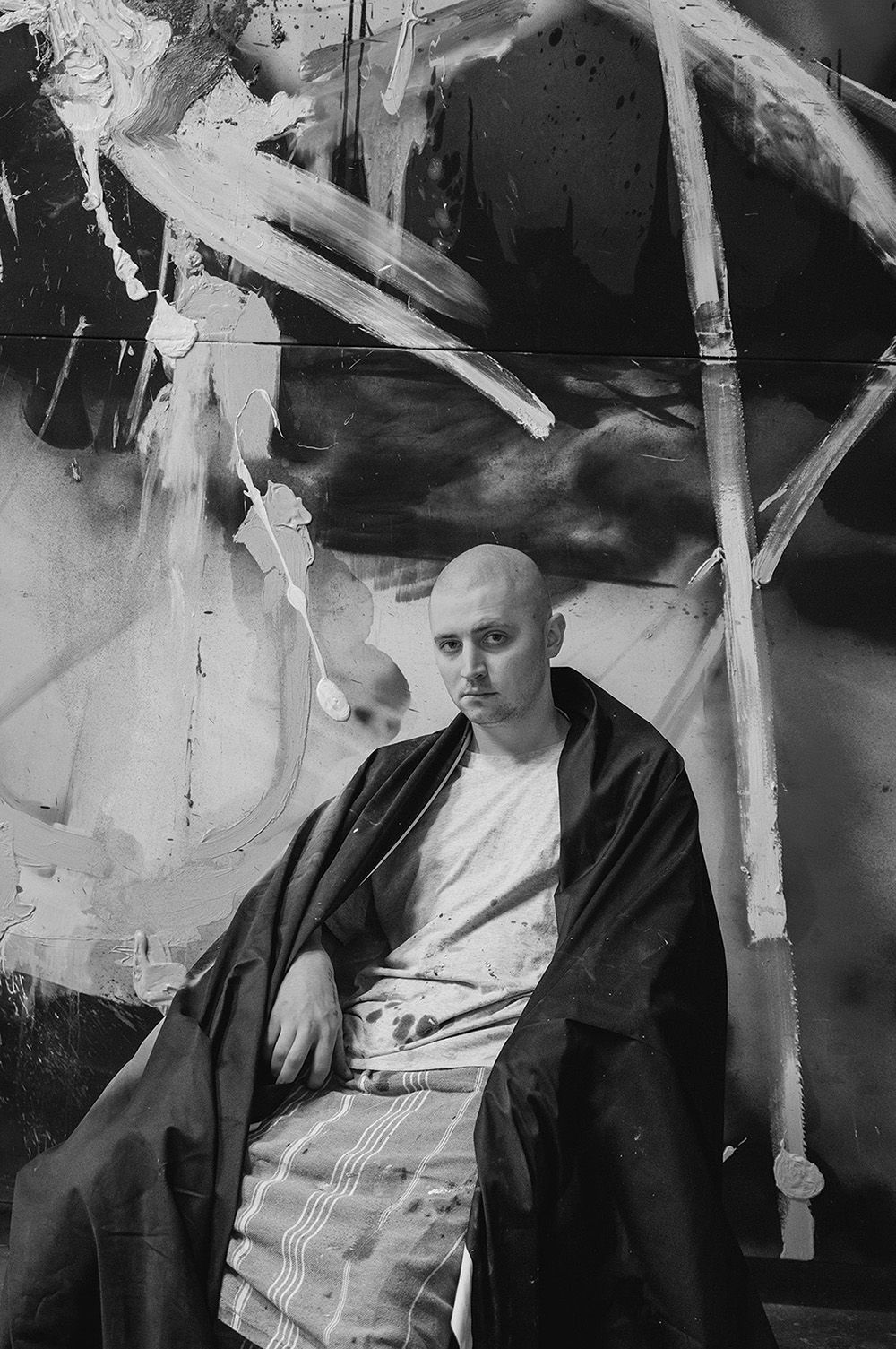
Daniel Spivakov
1996 | Born in Kyiv, Ukraine; he currently lives and works in Venice, Italy.
Daniel Spivakov spent his childhood in Kyiv, Ukraine. At the age of fifteen, he moved to Oklahoma through a family exchange program. Speaking only his native language, it was during that time that art became a crucial means of communication for Spivakov. The combination of a post-Soviet upbringing and adolescence in the U.S. South resulted in a unique worldview from which the artist regularly draws during his creative process. After graduating from Central Saint Martins, London, in 2020, he moved to Berlin, although he currently lives and works in Venice. Spivakov is an extraordinary artist whose presence seems steeped in magical realism. As a child, he never attended school in the conventional sense—instead, he would retreat to a nearby park, lost in thought until day’s end, his absence somehow unnoticed. This early ability to slip beyond the confines of reality would, in time, shape the course of his life. His art echoes this continual negotiation between boundaries and freedom, evident in works that defy the traditional limits of painting through stretched and overlapping canvases. Spivakov’s artistic influences—among them Julian Schnabel—have deeply shaped his approach to proportion and scale. Yet his work resists confinement to any single tradition: his paintings range from monumental to intimate, from immediately legible to deliberately enigmatic. Having grown up in Eastern Europe, Spivakov sees Venice as the perfect setting to merge diverse artistic lineages and confront the paradoxes within his own practice—at once erudite and instinctive, grounded in the world yet unbound by convention.
Melania Toma
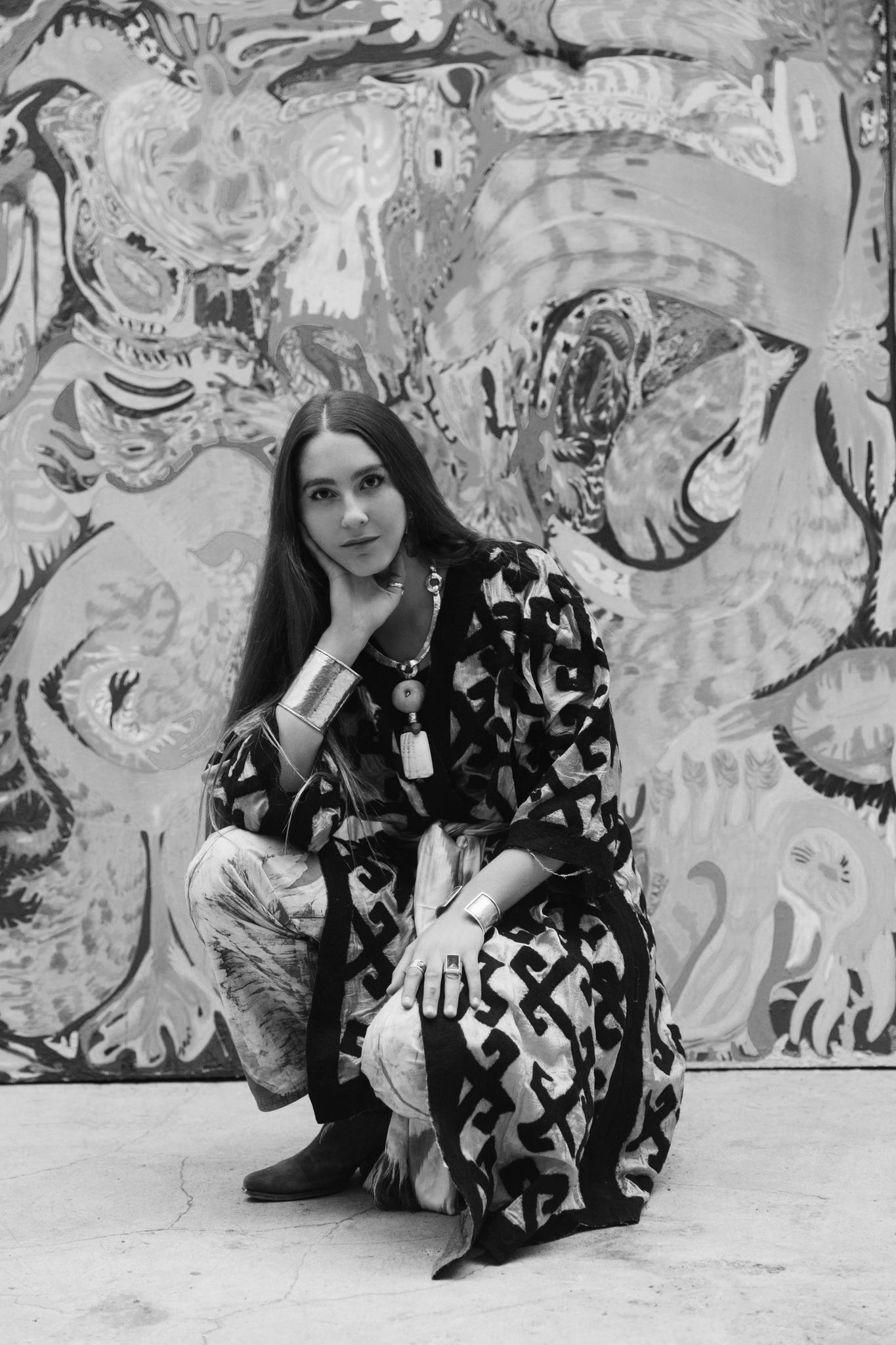
Melania Toma
1996 | Born in Padua, Italy; she is based in London, UK.
The paintings of Melania Toma are marked by a constant tension—between exuberance and stillness, organic flow and rapid gesture, harmonic beauty and imperfection. Her work navigates the space between nature and culture, challenging anthropocentric perspectives and conjuring a universe in perpetual transformation. Toma’s compositions are porous and mutable, layered with delicate washes of paint and dense clusters of sand. Soft, sweeping strokes collide with the raw force of color, which seeps into and overtakes the coarse surface of the canvas. Weaving together personal myths and archaic symbols, she crafts a visual language that transcends the human condition and opens new pathways for relating to the natural world. Her paintings resemble ever-shifting, anthropomorphic forms—hybrid presences born of the fusion between organic and inorganic matter. These figures resist fixed identity and counter binary oppositions—dissolving the boundaries between nature and culture, human structures and organic transformation—and invite us into a universe shaped by ongoing metamorphosis
WKND Lab
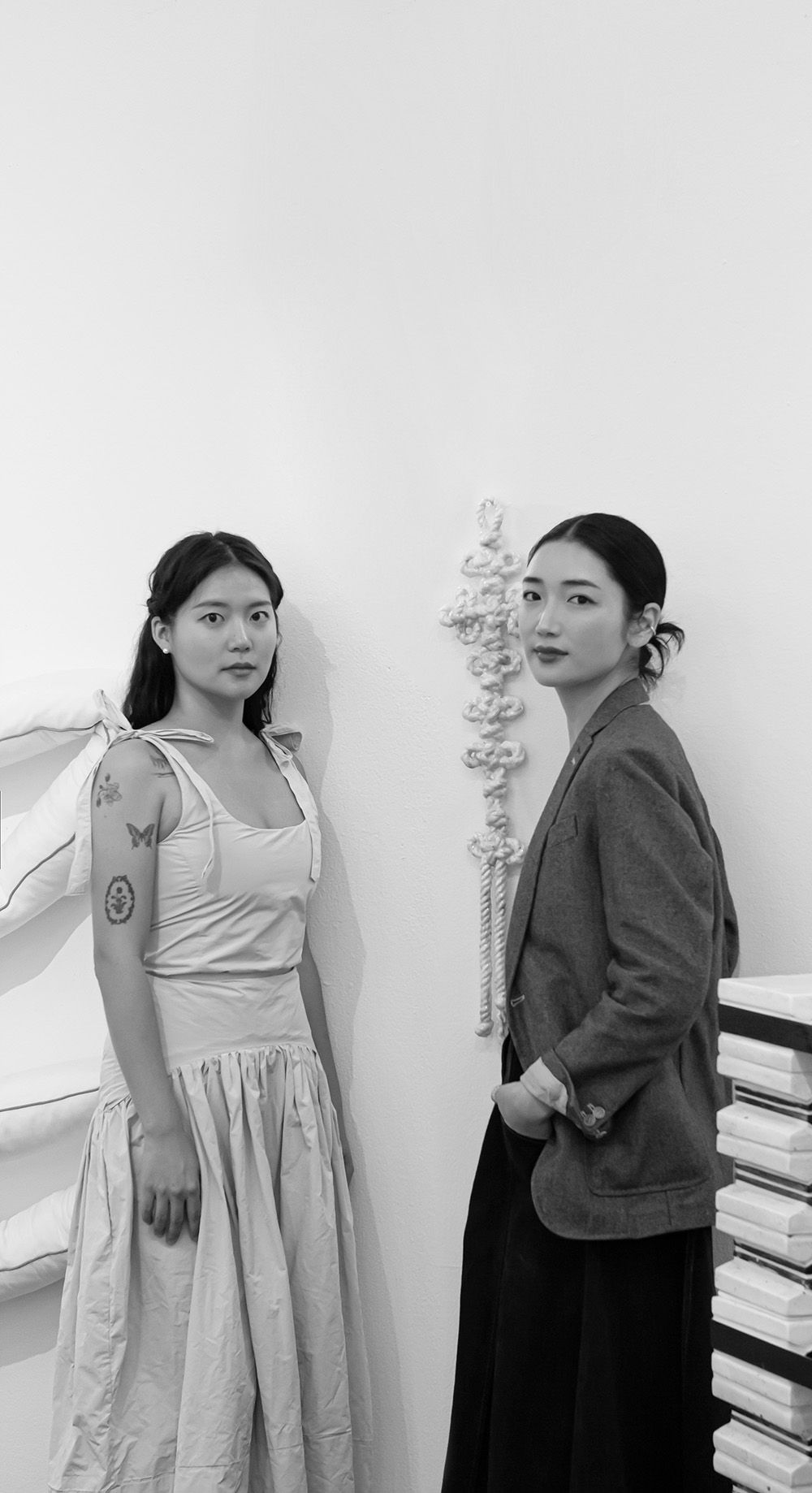
WKND Lab
Founded by Eunji Jun and Halin Lee; based in Seoul, Korea.
Founded by Eunji Jun and Halin Lee, the multidisciplinary design studio based in Seoul bridges the realms of art, design, and environmental responsibility. Renowned for their material-driven narratives and innovative use of sustainable resources, WKND Lab transforms discarded, overlooked, and ephemeral materials into thought-provoking installations that invite audiences to reconsider the possibilities of art, culture, and humanity’s relationship with nature. The studio’s philosophy is rooted in the belief that materials are storytellers. Each material is explored across time—its past and present acknowledged, its future imagined—with reverence for its origins and acceptance of its impermanence. From repurposed industrial plastics and plant-based waste to traditional Korean craft techniques such as knot-making and lacquer work, WKND Lab’s creations celebrate the beauty of transience, resilience, and cyclical renewal. The duo has gained international recognition for their commitment to sustainability.
Erwin Wurm
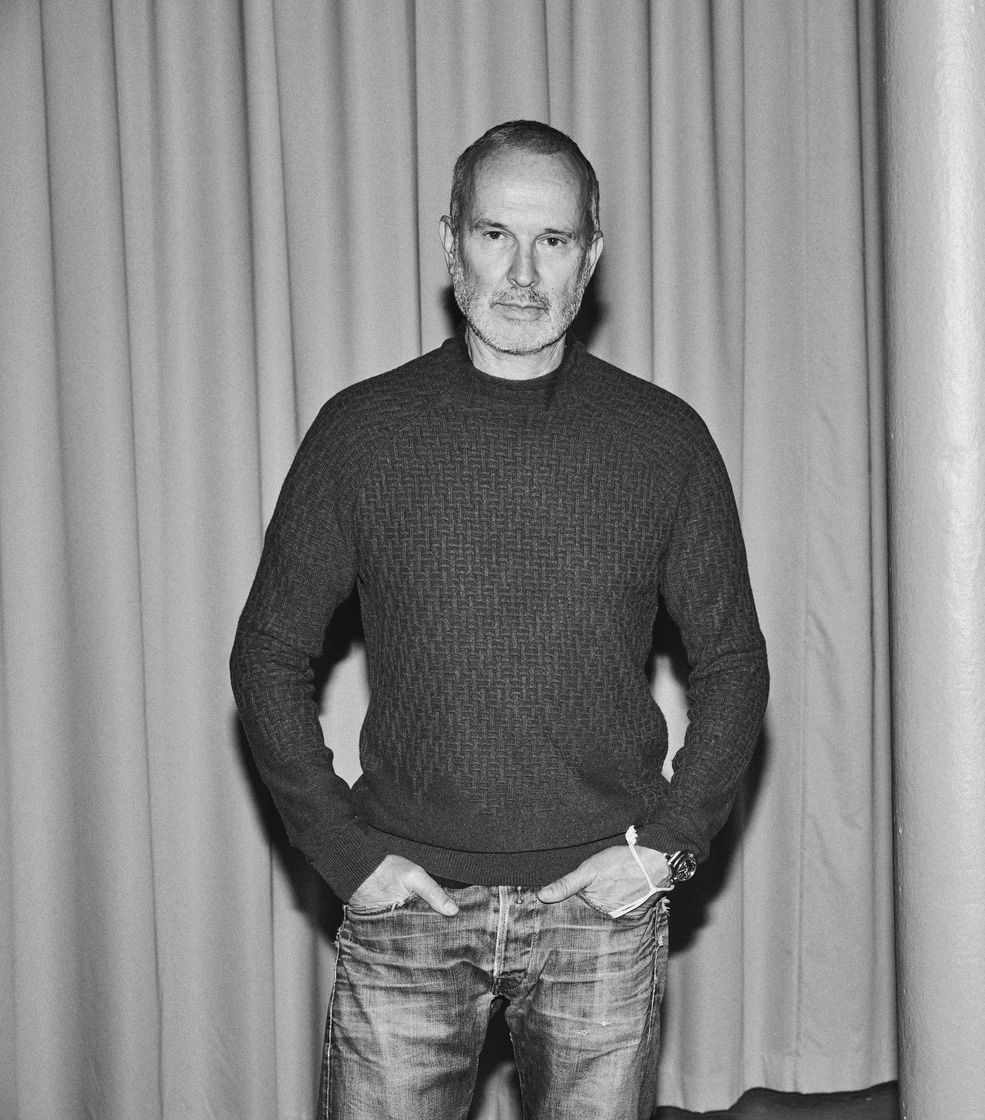
Erwin Wurm
1954 | Born in Bruck an der Mur, Styria, Austria; he lives and works in Vienna and Limberg, Austria.
Throughout his career, Erwin Wurm has radically redefined the concepts of sculpture, space, and the human form. His work moves fluidly between abstraction and representation, transforming everyday objects in unexpected and inventive ways, and inviting viewers to see the familiar from a fresh perspective. Wurm’s art often explores the routines and choices of daily life, as well as deeper existential questions, focusing on the objects through which we define and navigate our identities—clothing, cars, food, and the spaces we inhabit. This inquiry is central to his One Minute Sculptures, in which the viewer becomes the artwork for a fleeting, performative moment, using simple props. In these works, Wurm blurs the line between sculpture and spectator, turning a traditionally static medium into a participatory experience that involves the viewer’s own body. The sculptures’ ephemeral nature challenges the notion of permanence typically associated with sculpture. The “minute” refers not to a literal unit of time, but to the transient quality of the gesture. Underlying many of these works is a contemplative, even philosophical current—each piece serving as a prompt for reflection, placing participants in a paradoxical relationship with the ordinary objects they are asked to engage with.
“Into the Wild” is an exhibition that stretches inward and outward, across distance and depth, tracing the thread between humanity and nature, between the Anthropocene and a primal instinct, in the spirit of venturing into the unknown – an impulse that, perhaps, still unites these now sharply opposing realms. It is an invitation to journey into the untamed – to wander through wild landscapes and feel raw emotion. In an age of rising technology, growing division, and the illusion of connection, art becomes a gateway: a threshold through which we might return to the natural world, to a philosophical chaos, and to the fierce, unapologetic beauty that resides there. The works – varied yet complementary – fit perfectly within the rich morphology of the hosting castle. → MORE
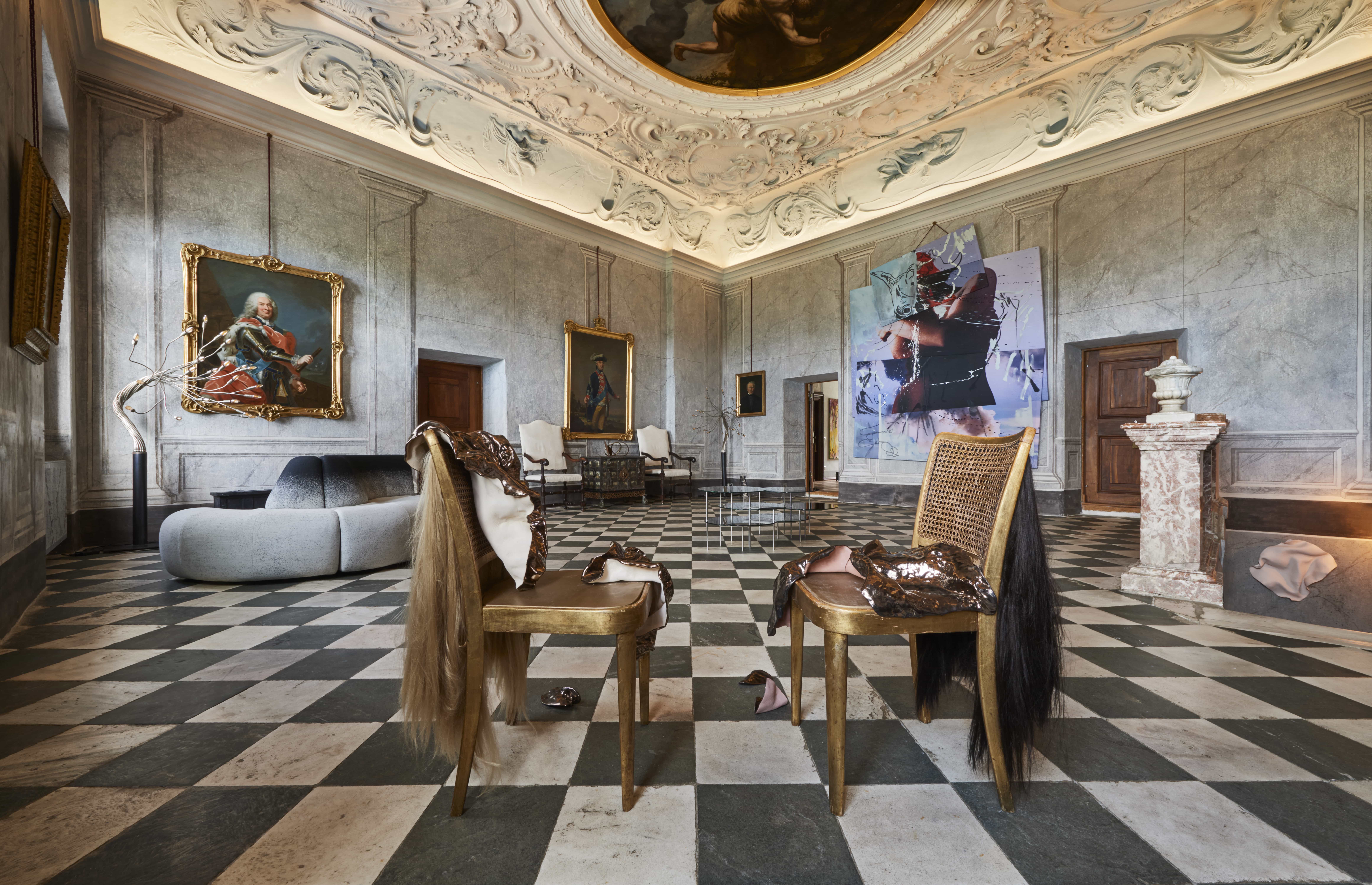
Great Hall of Salon Meiselberg 2025 exhibition
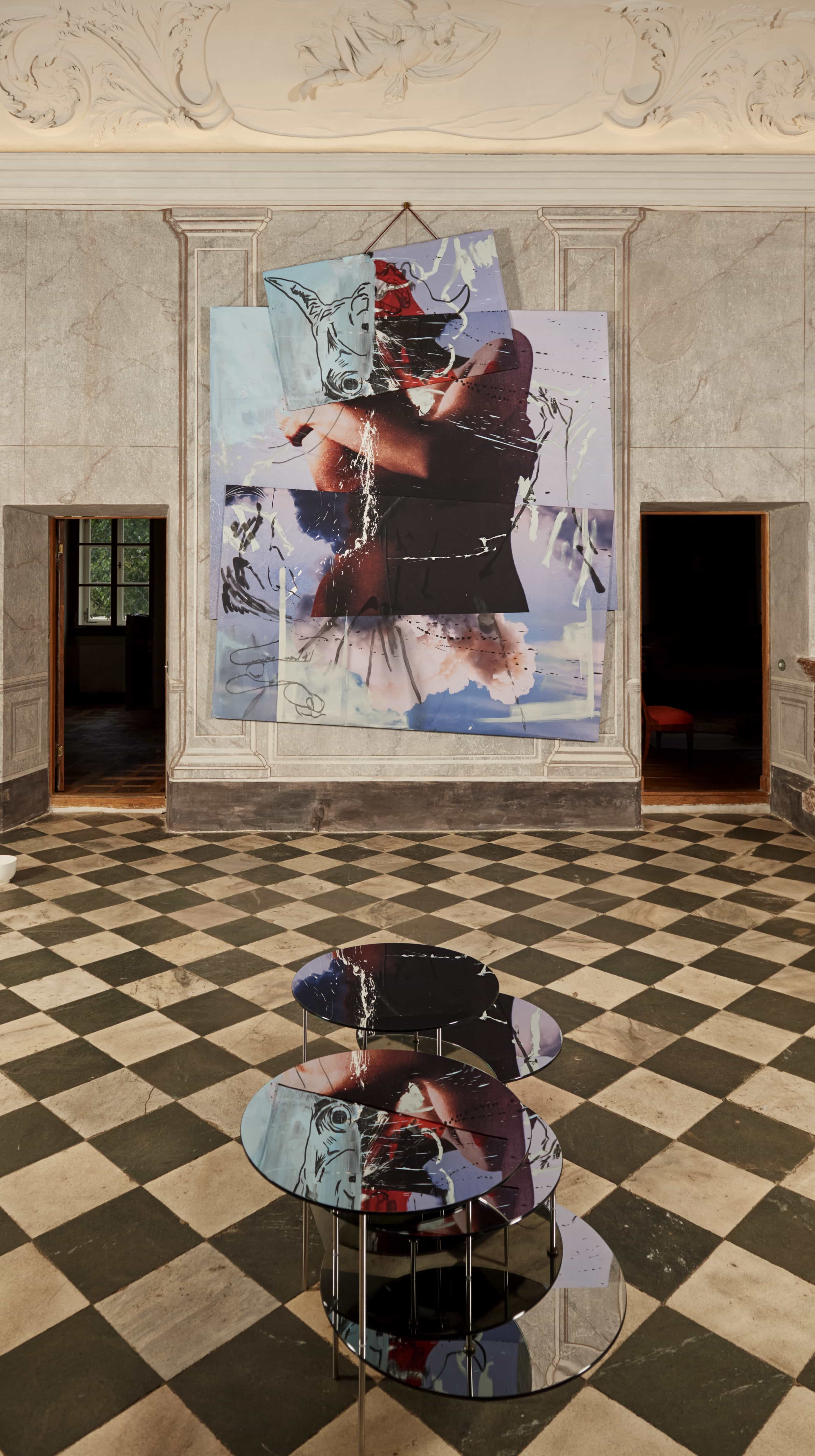
Great Hall
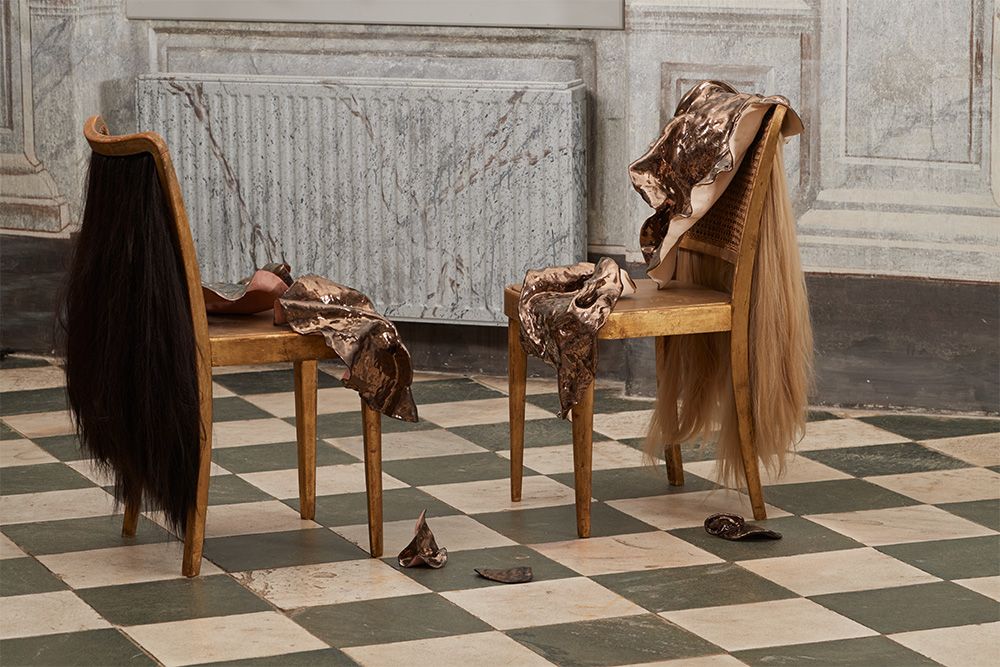
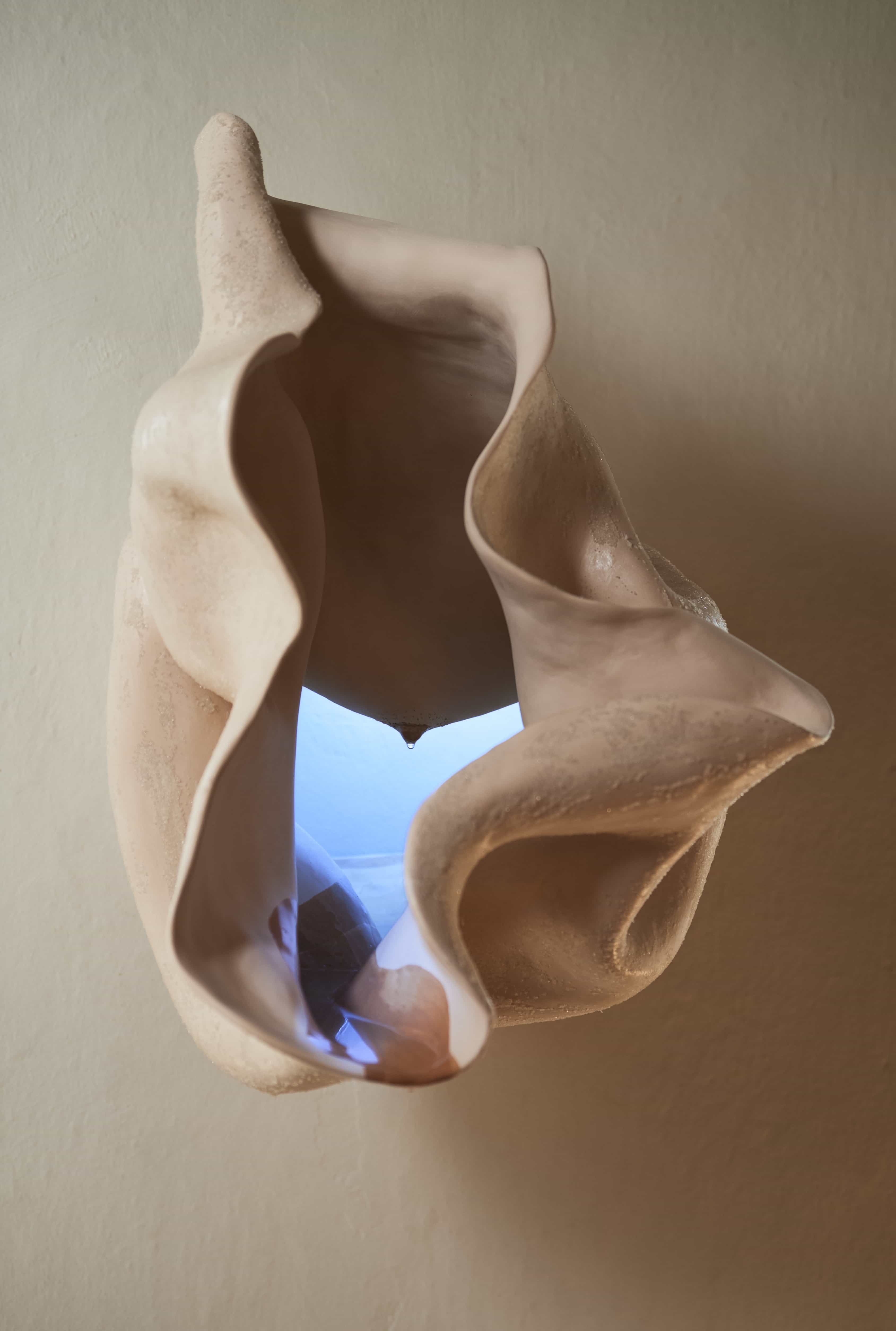
Magda von Hanau, Monā I & Monā II, 2025, Antique chair, hair, clay, metallic gaze, 86 x 50 x 60 cm & 90 x 50 x 60 cm
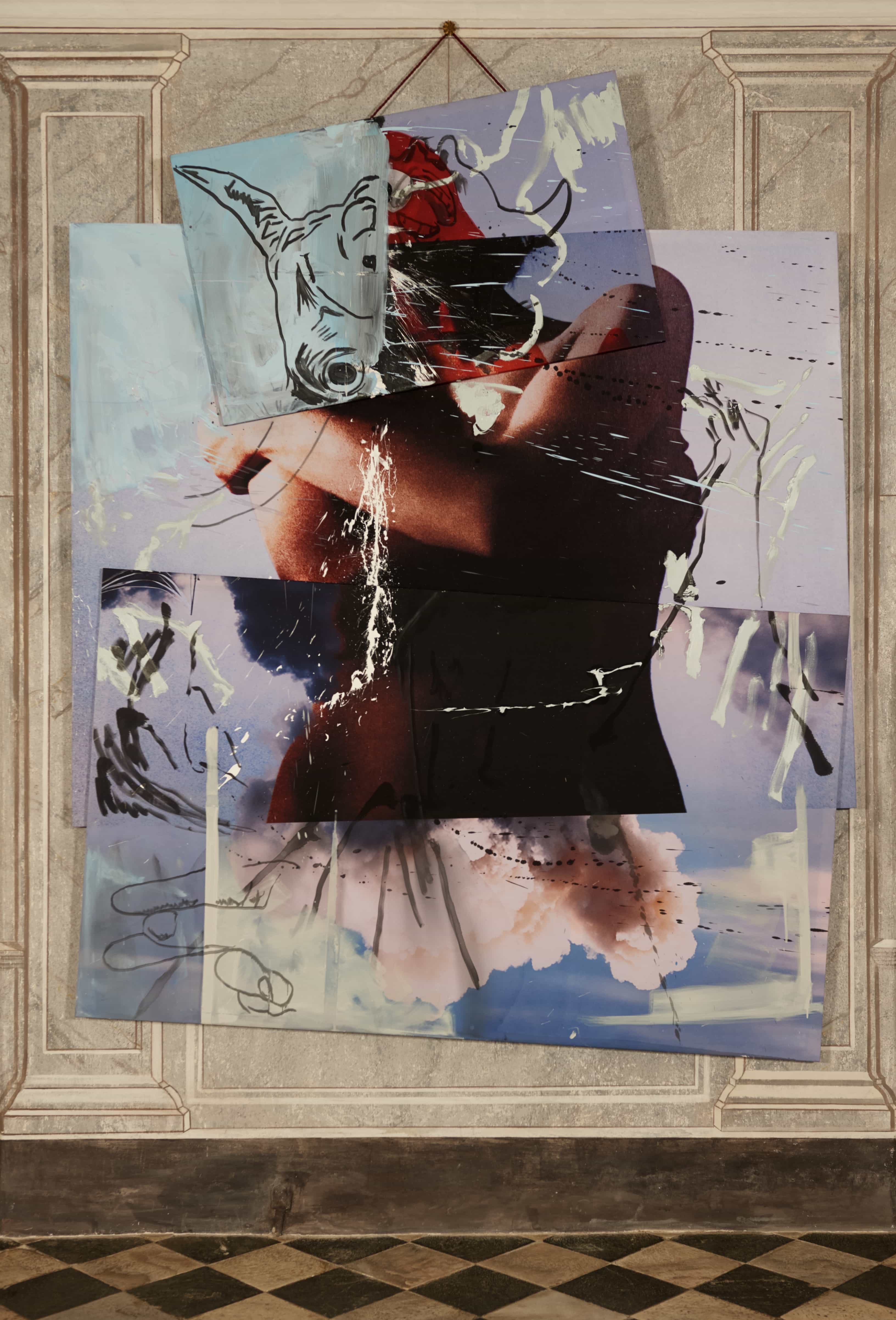
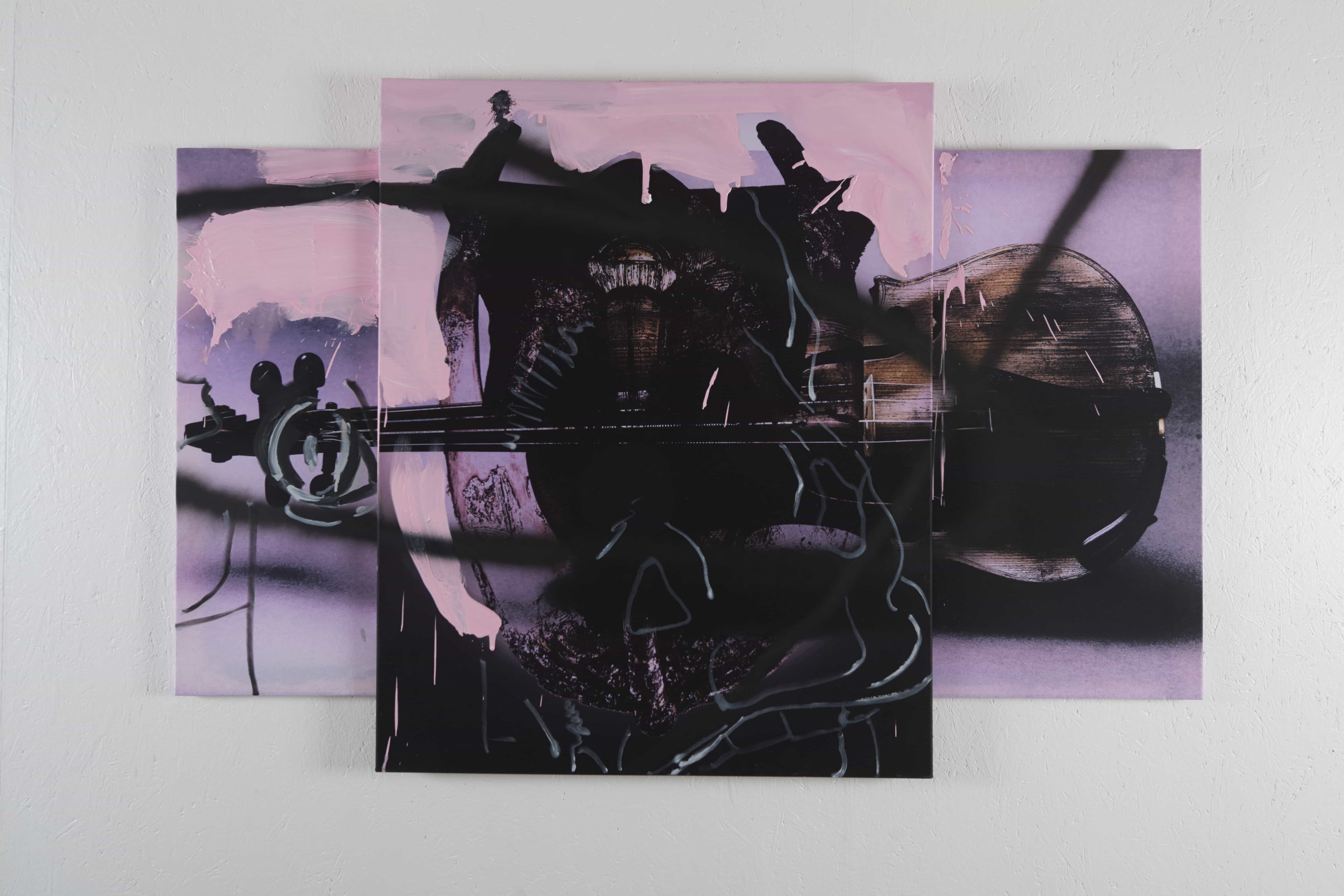
Daniel Spivakov, Minotaur, 2024, Oil on sublimation print on polyester, three assambled, 320 x 255 cm
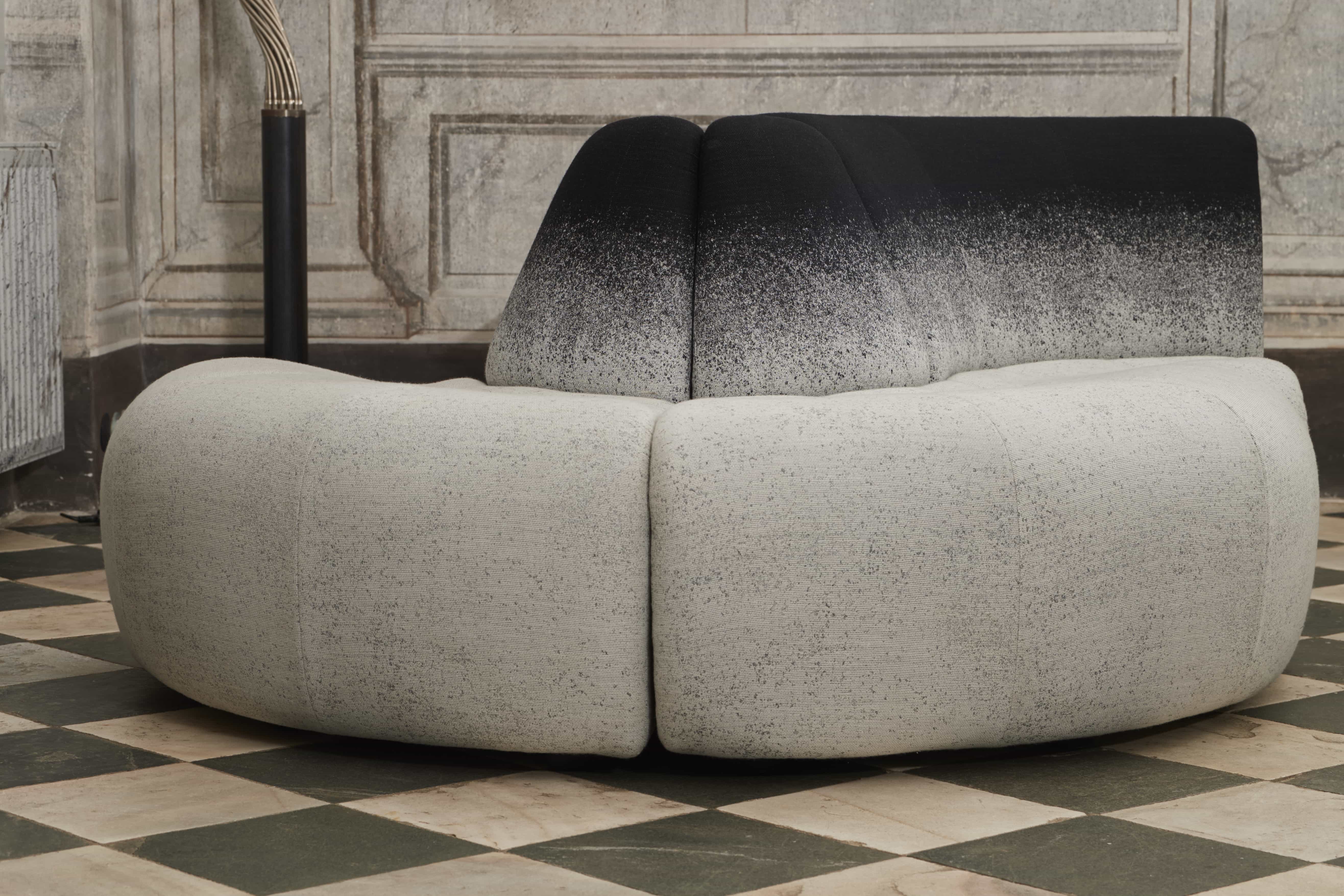
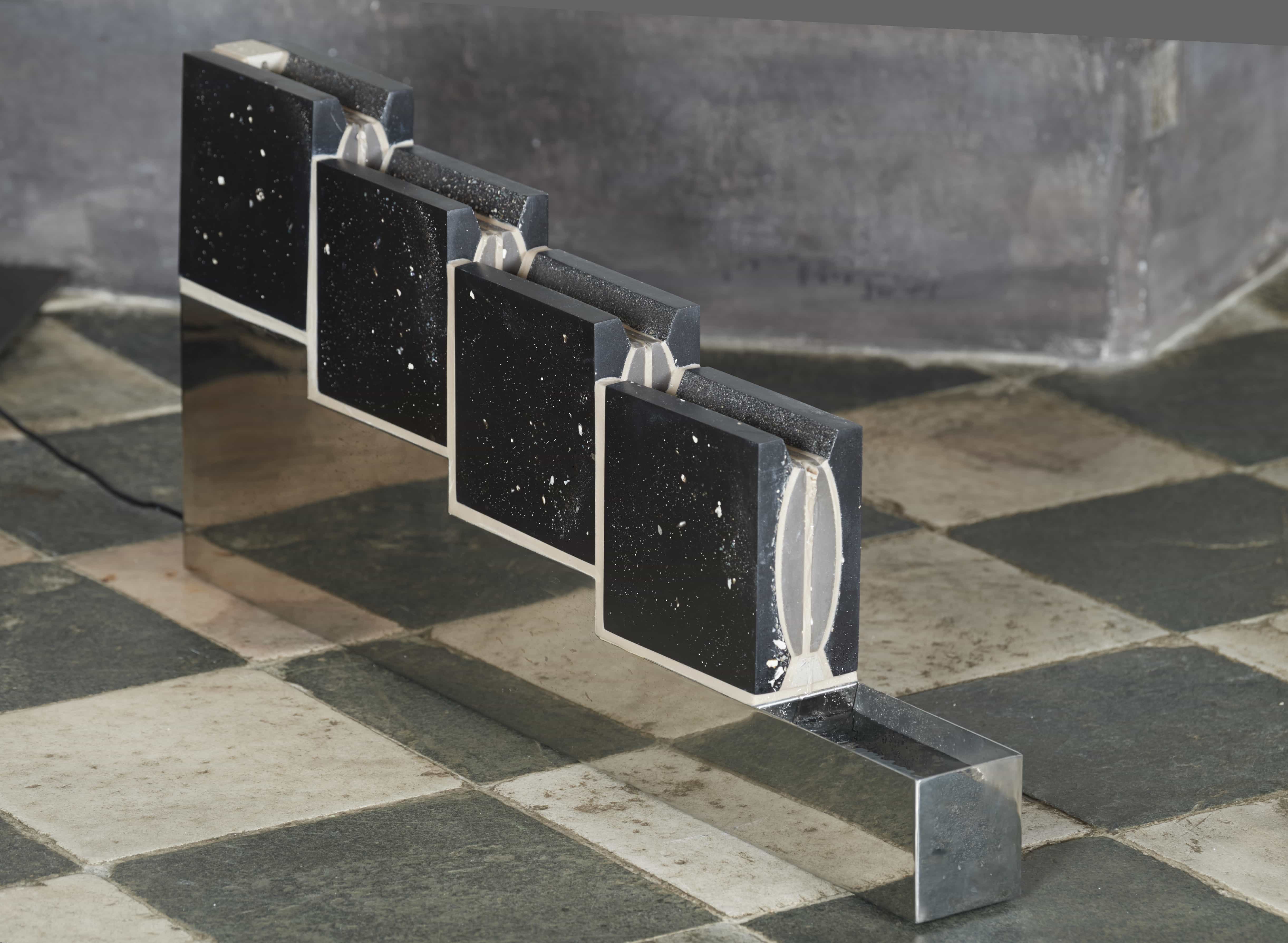
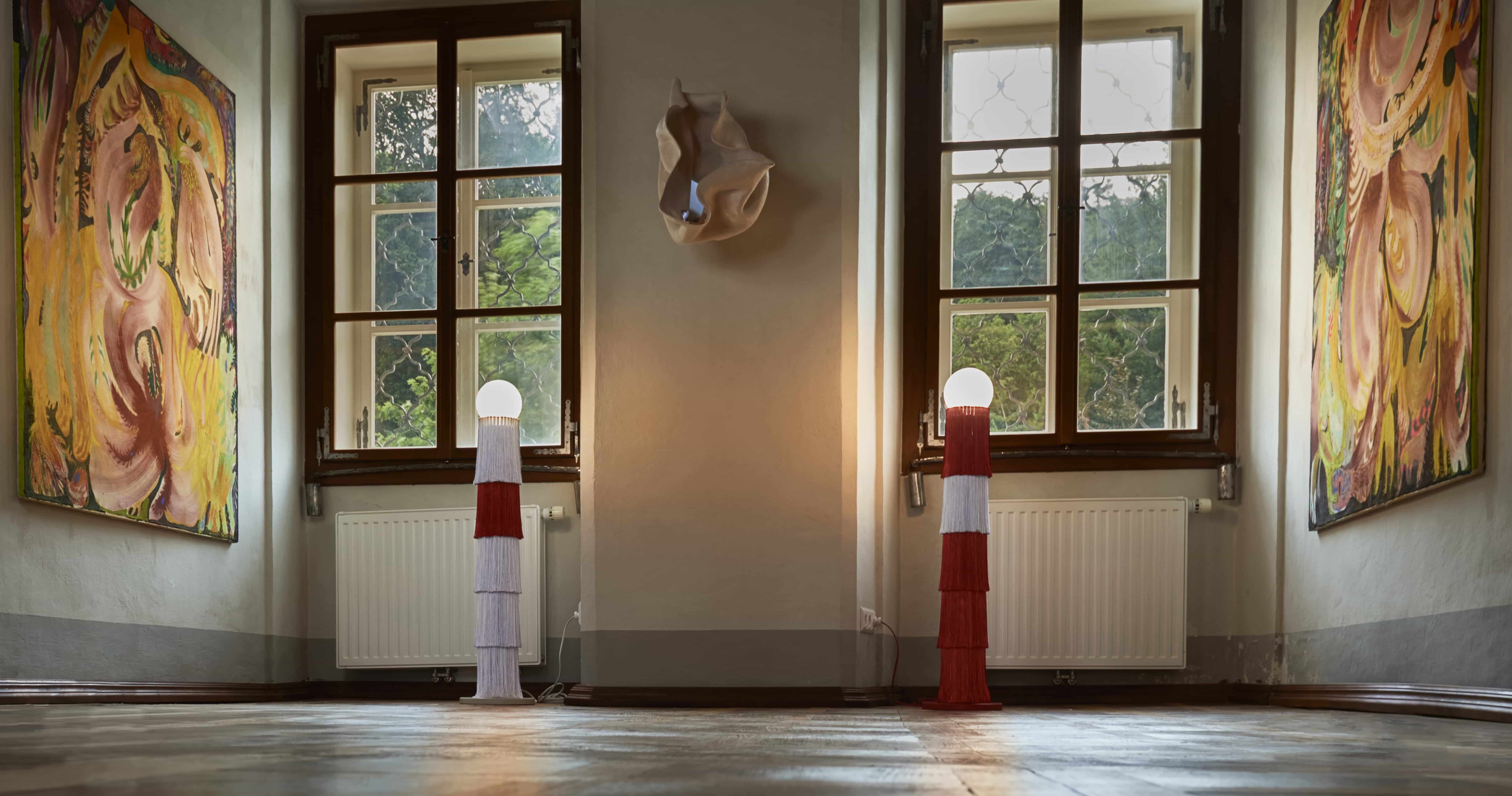
Affresco Room 2025 exhibition.

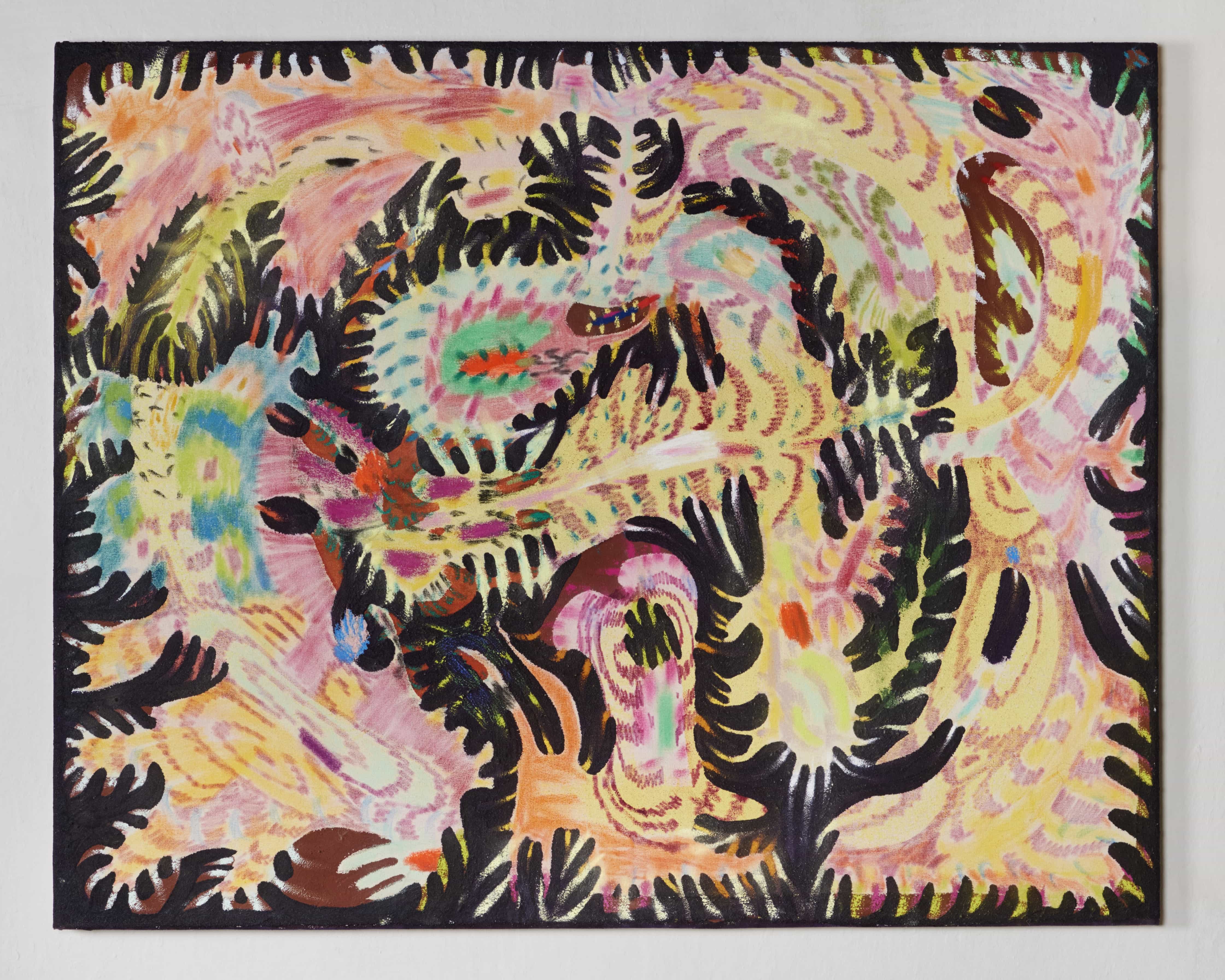
Melania Toma, Inframondo I, 2025, Oil paint, charcoal, sand, pigments, acrylics, graphite, ink, pastel on canvas, 100 x 80 cm
Melania Toma, Inframondo II, 2025, Oil paint, charcoal, sand, pigments, acrylics, graphite, ink, pastel on canvas, 100 x 80 cm
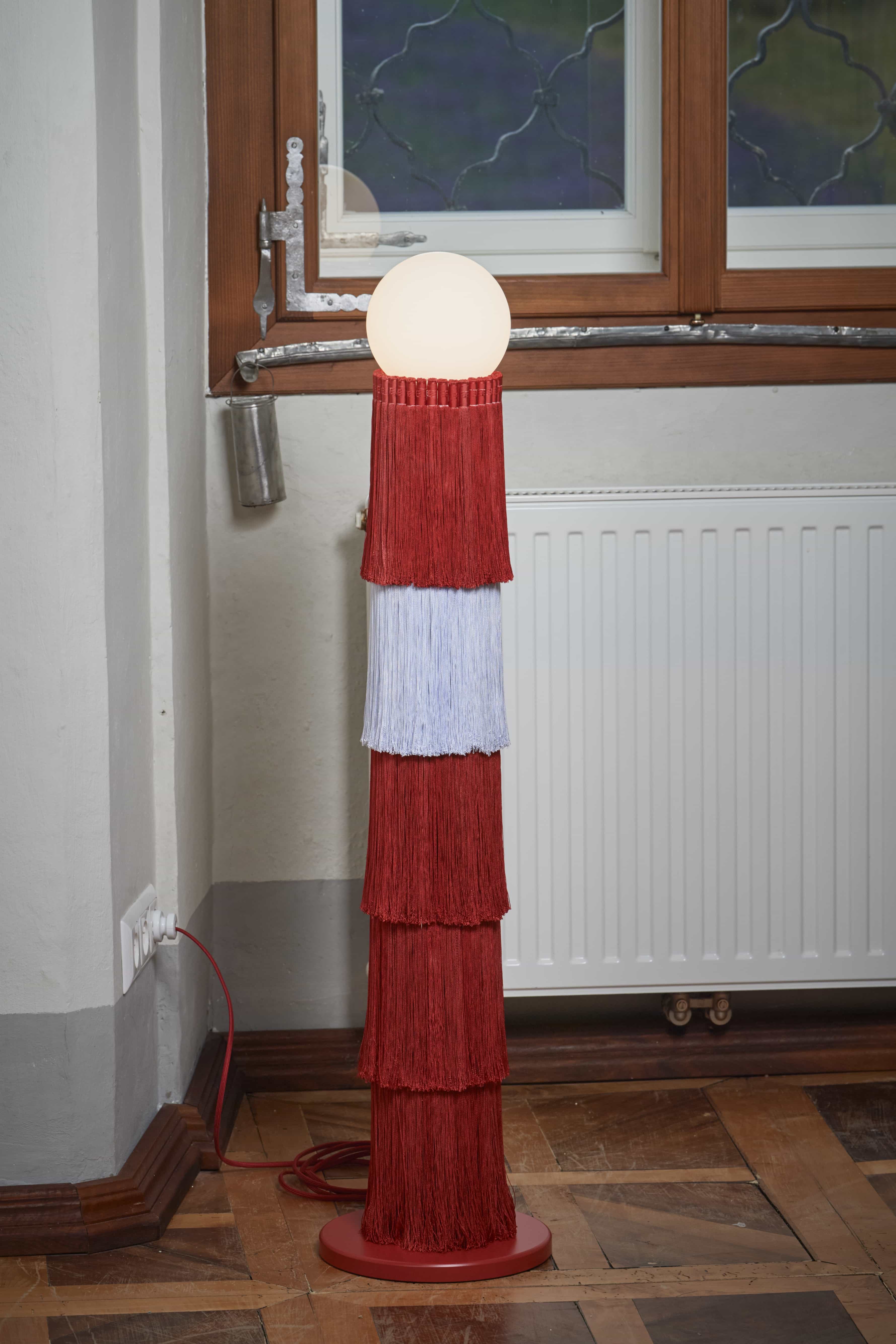
WKND Lab, Norigae lighting, Japan, Korea, Metal, Silk, glass, Base 250, Body 170, Height 1570 (adjustable) mm
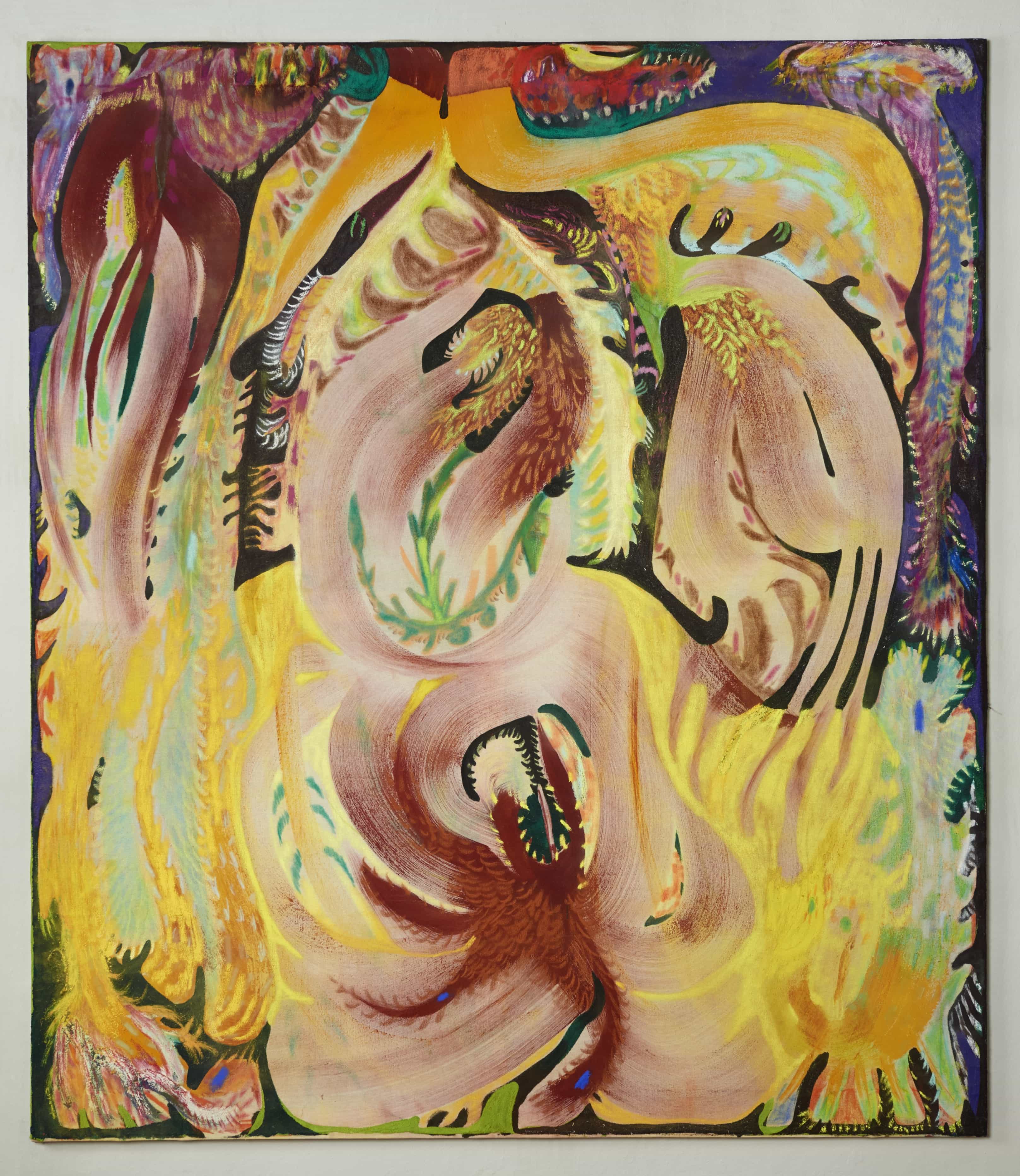
Melania Toma, About Eggs and Soil (Hatching), 2024, Oil paint, charcoal, sand, pigments, acrylics, graphite, ink, pastels on canvas, 155 x 135 cm
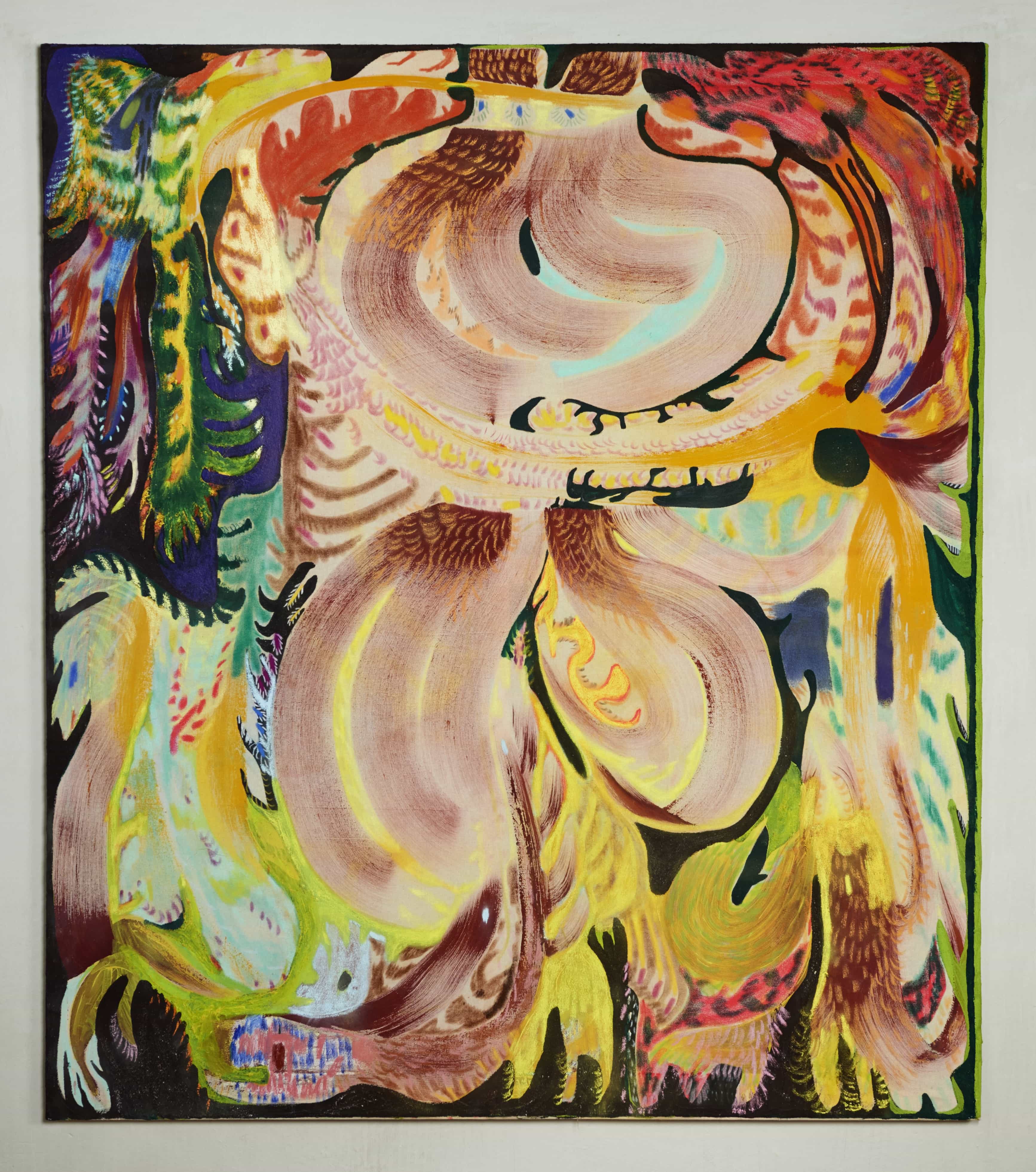
Melania Toma, About Eggs and Soil (Cocoon Burial), 2024, Oil paint, charcoal, sand, pigments, acrylics, graphite, ink, pastels on canvas, 155 x 135 cm
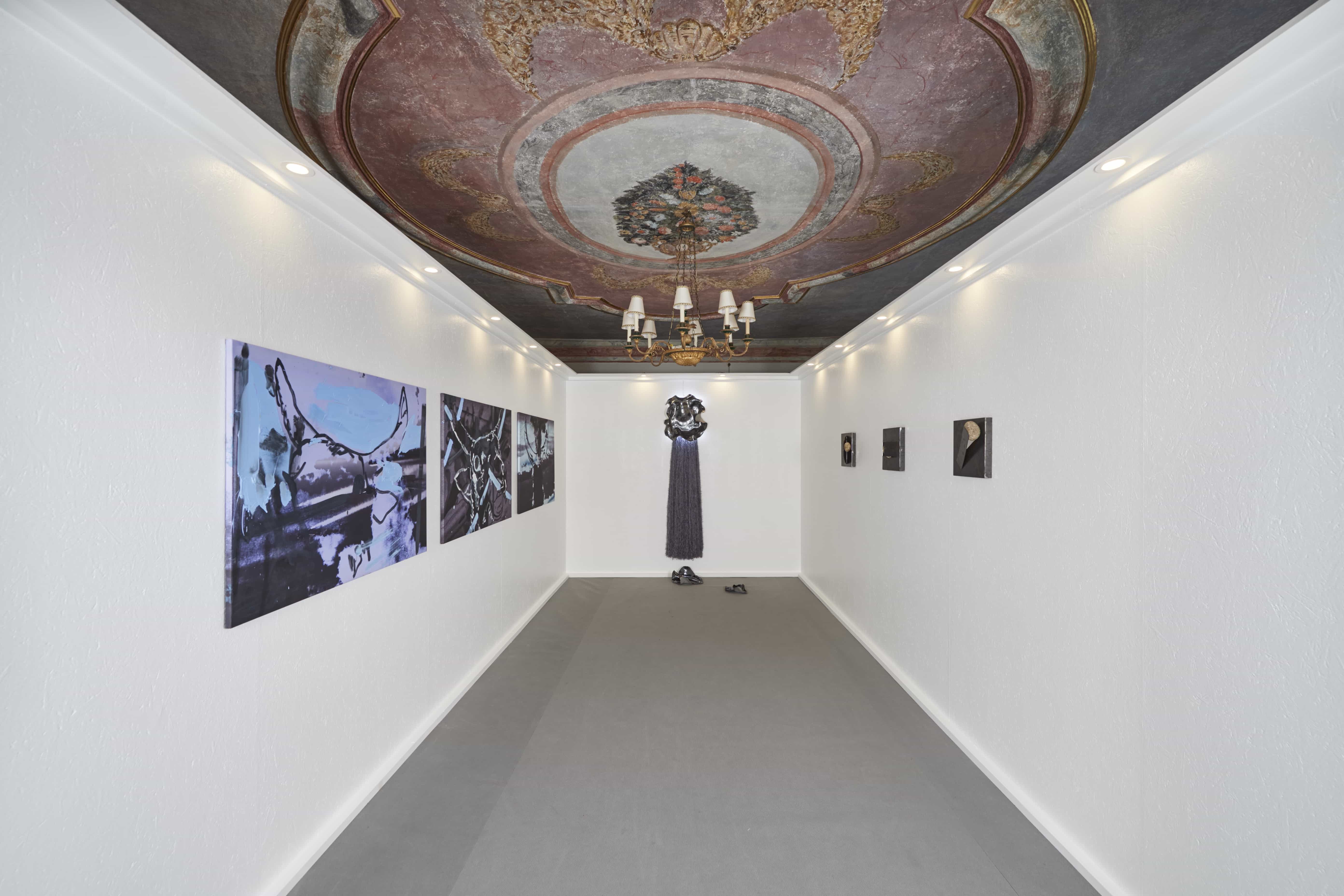
Gallery Room 2025 exhibition.
Gallery Room
Gallery Room
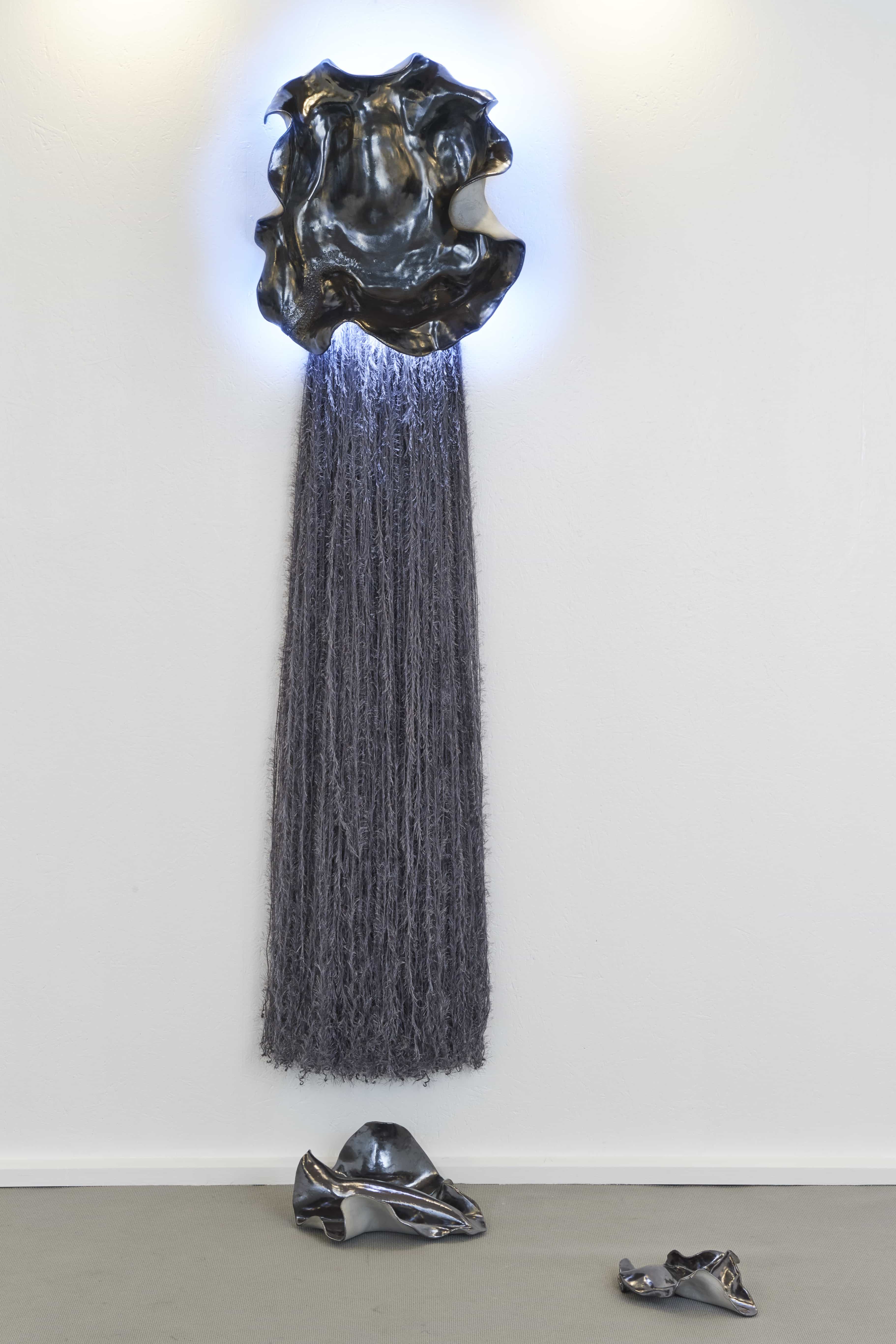
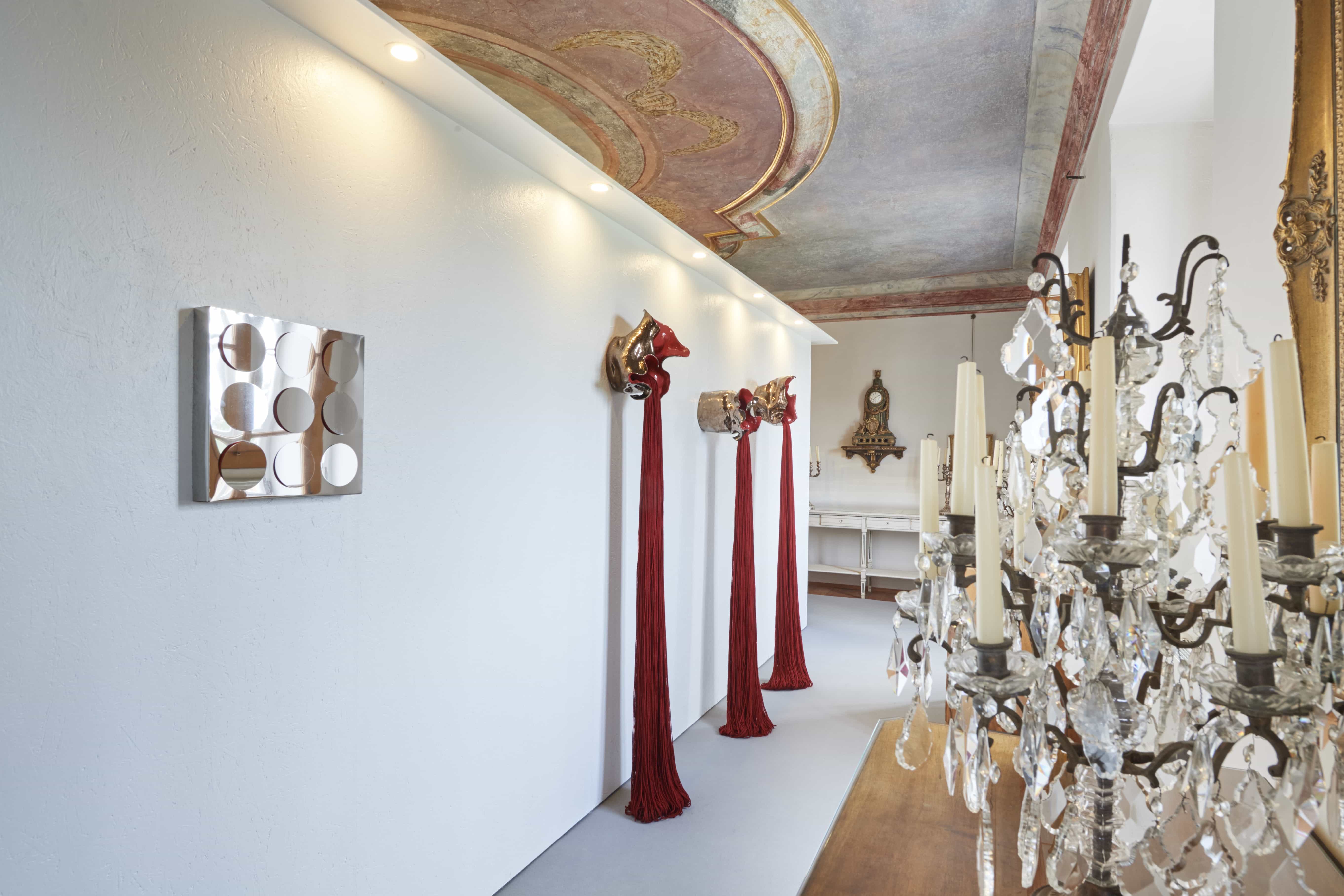
Magda von Hanau, Tupā, 2025, Clay, metallic gaze, silk strings and led lights, 204 x 56 x 18 cm
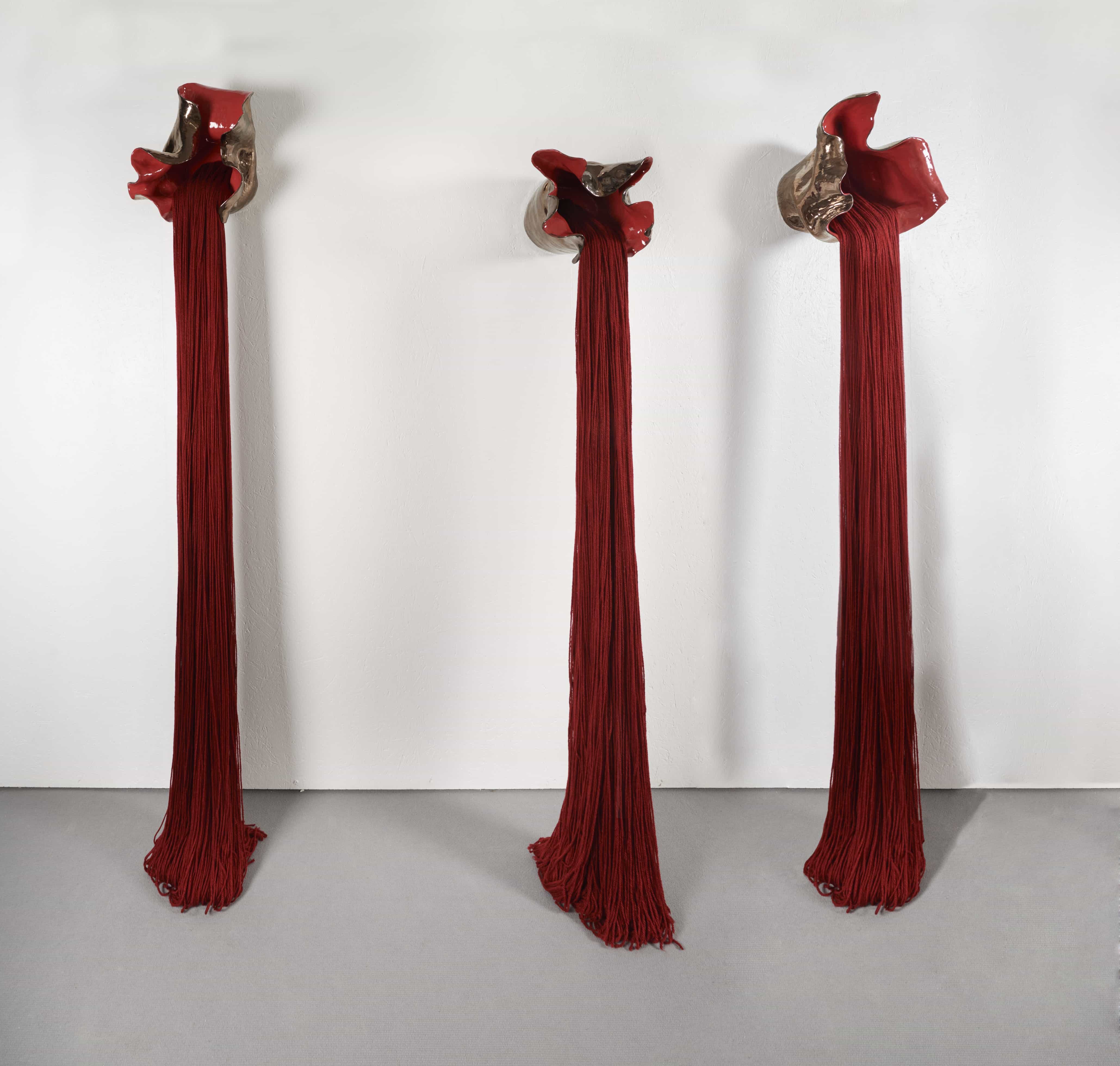
Magda von Hanau, Orabutã I & II & III, 2025, Clay, glass glaze and wool strings, 33 x 41 x 38 cm & 30 x 42 x 38 cm & 30 x 40 x 38 cm
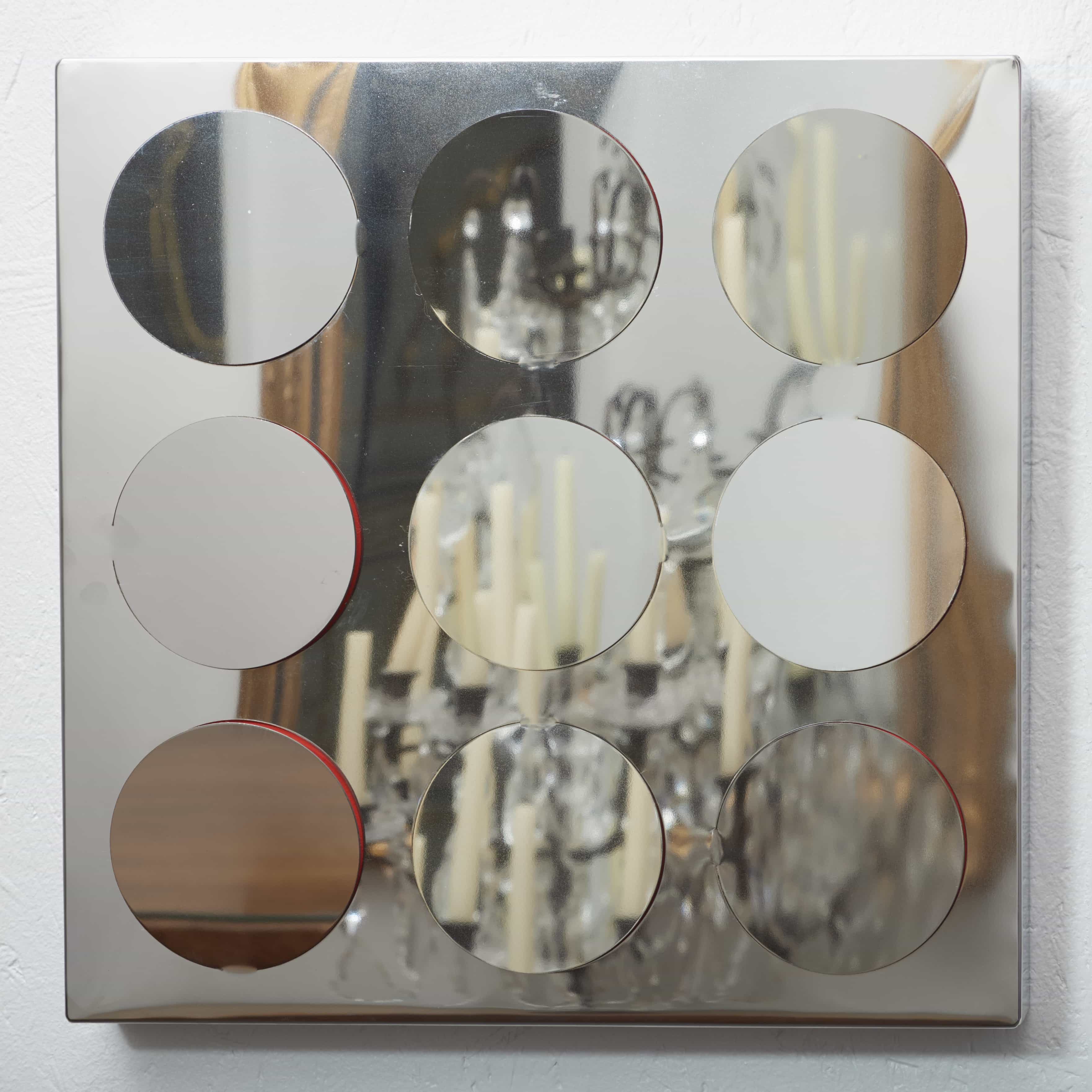
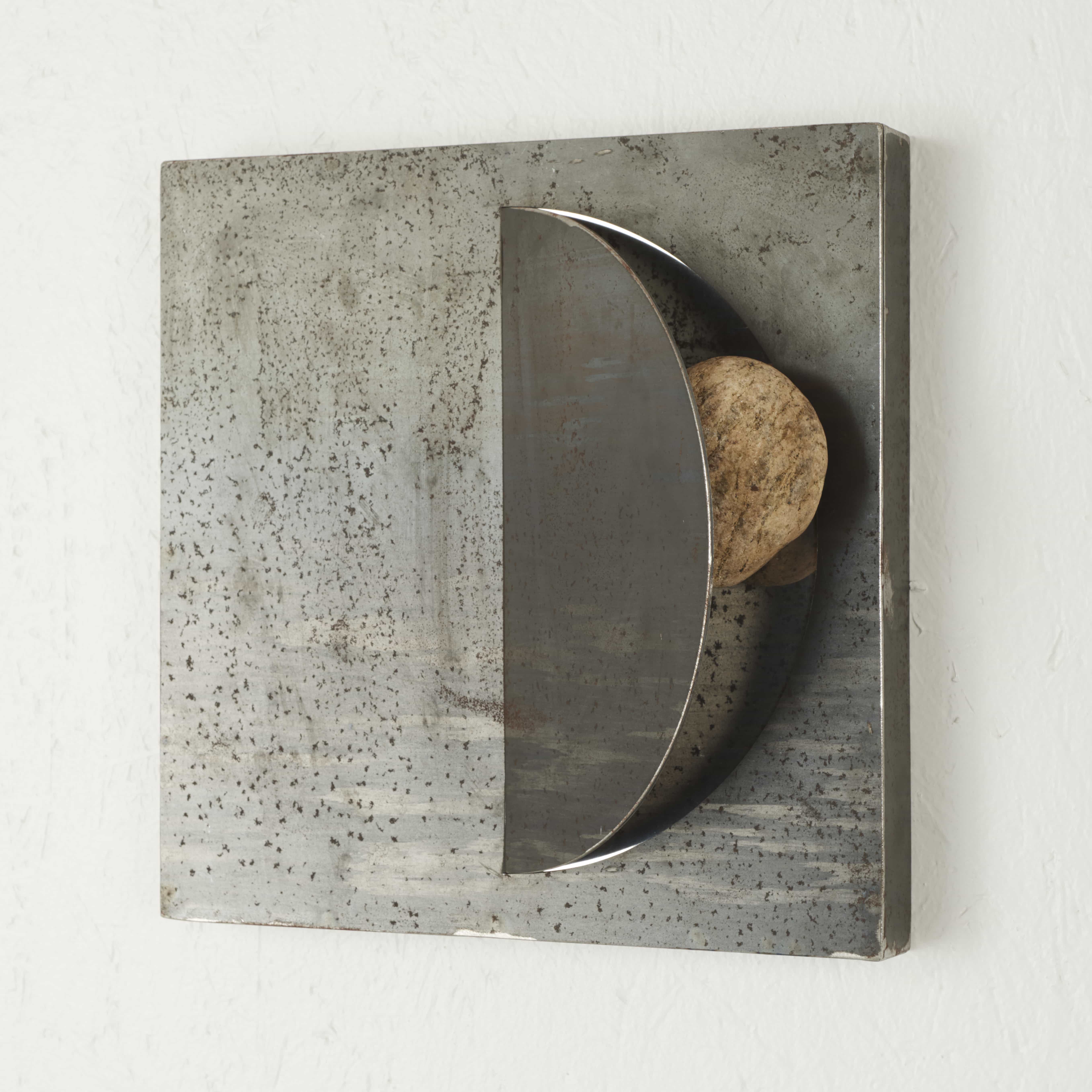
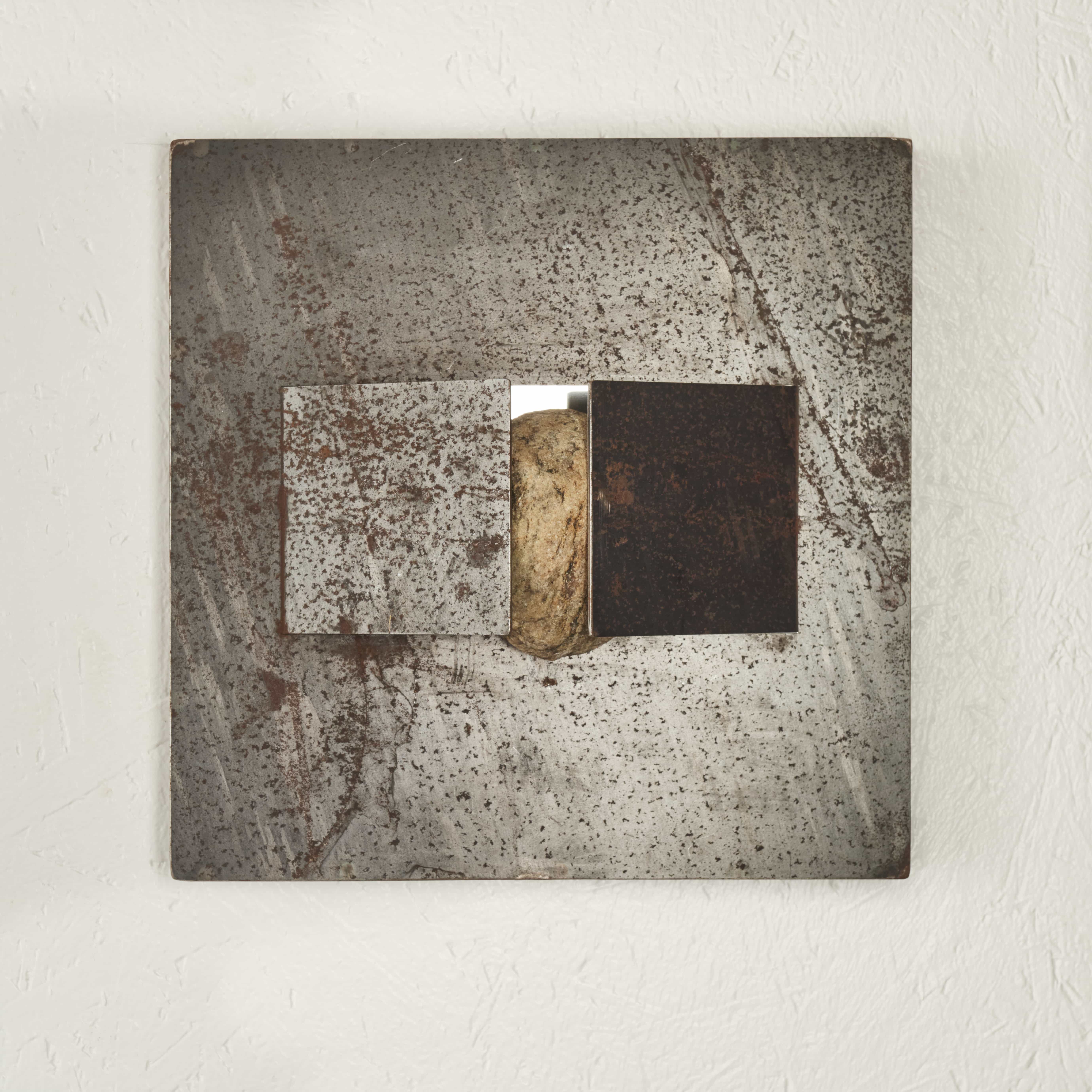
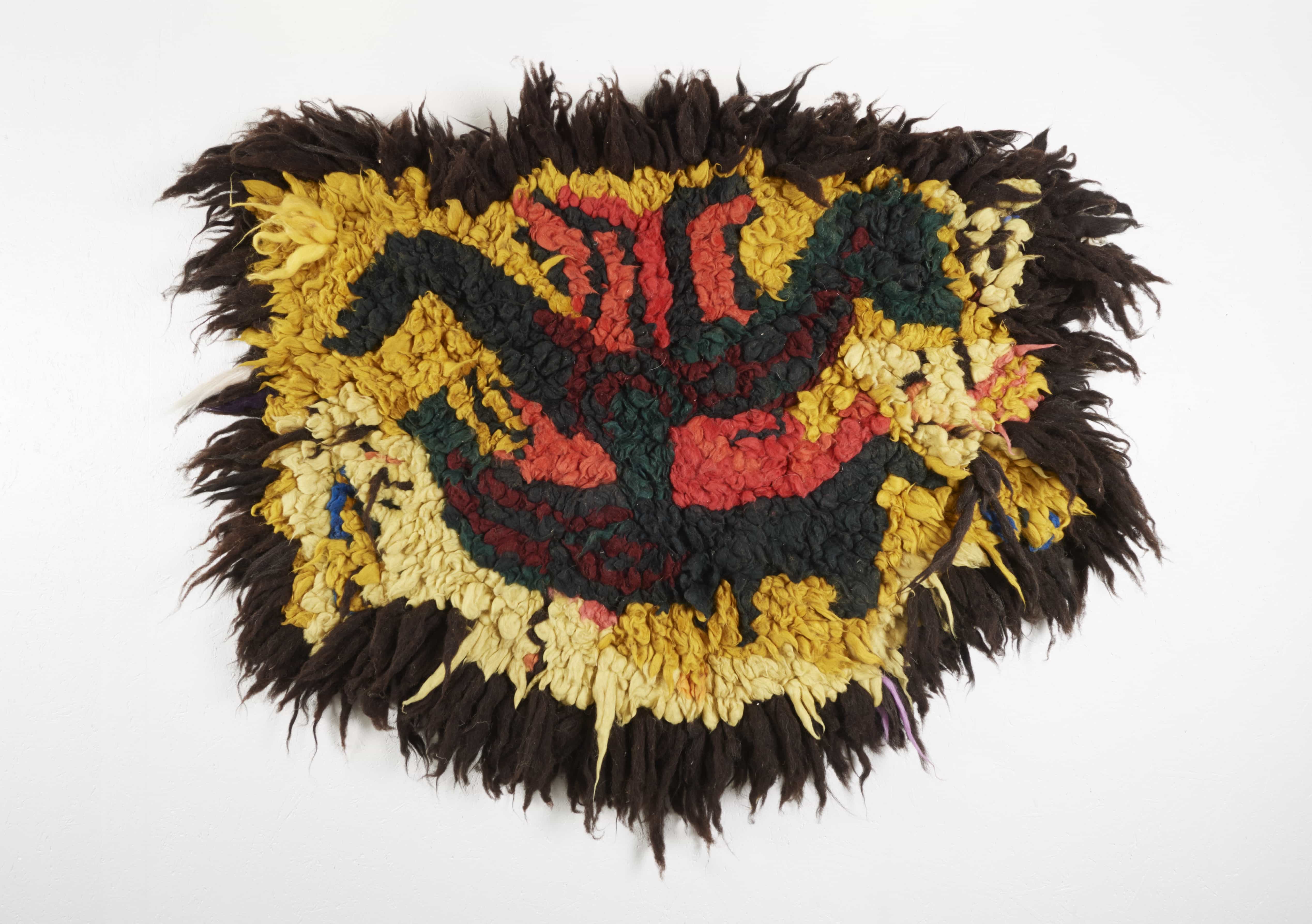
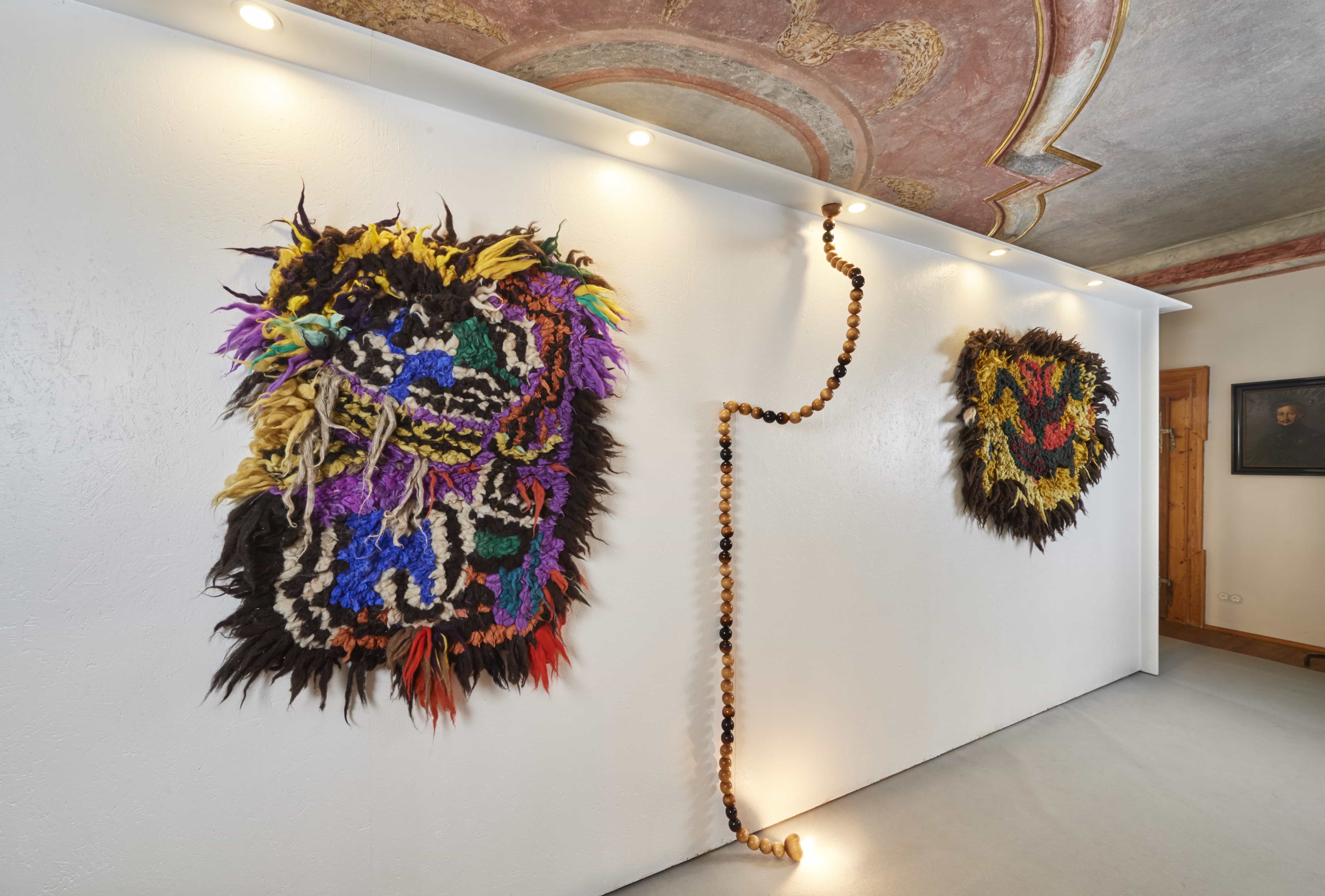
Melania Toma, Agave or Ship or Bird, 2023, Alpaca wool, sheep wool, silk, cotton, around 130 x 120 cm
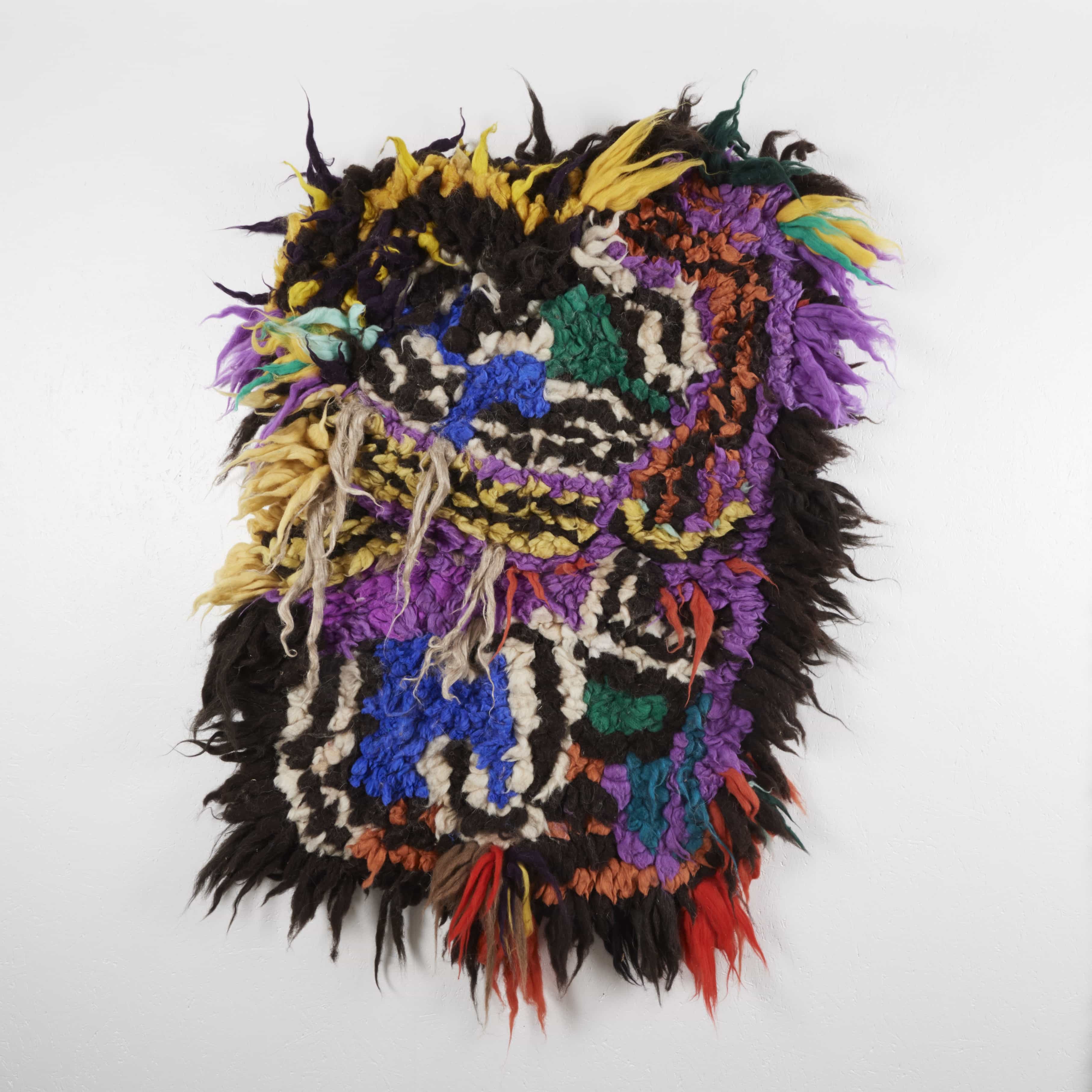
Melania Toma, Utero (Snakes), 2023, Alpaca wool, sheep wool, silk, cotton, around 130 x 80 cm
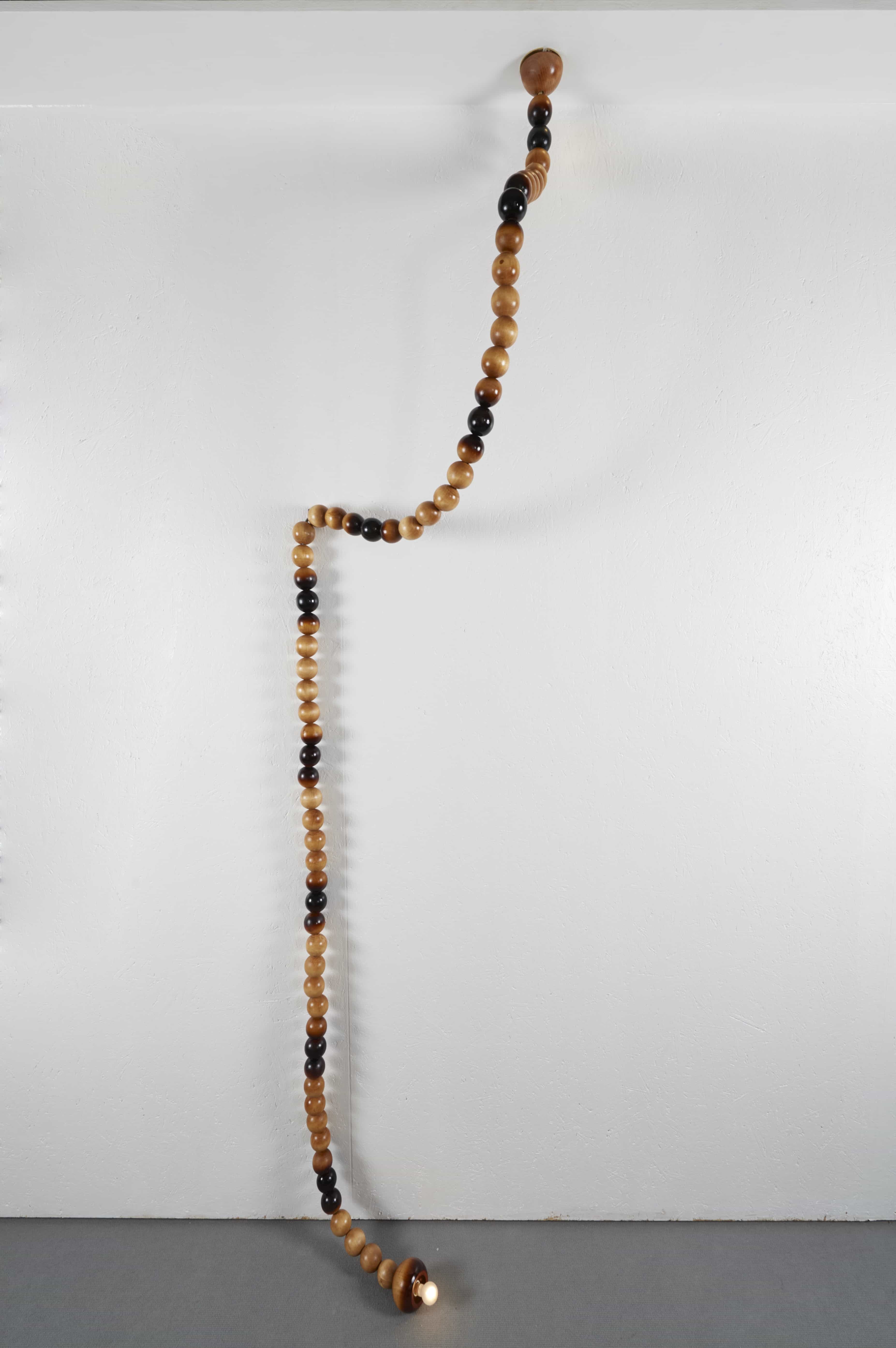
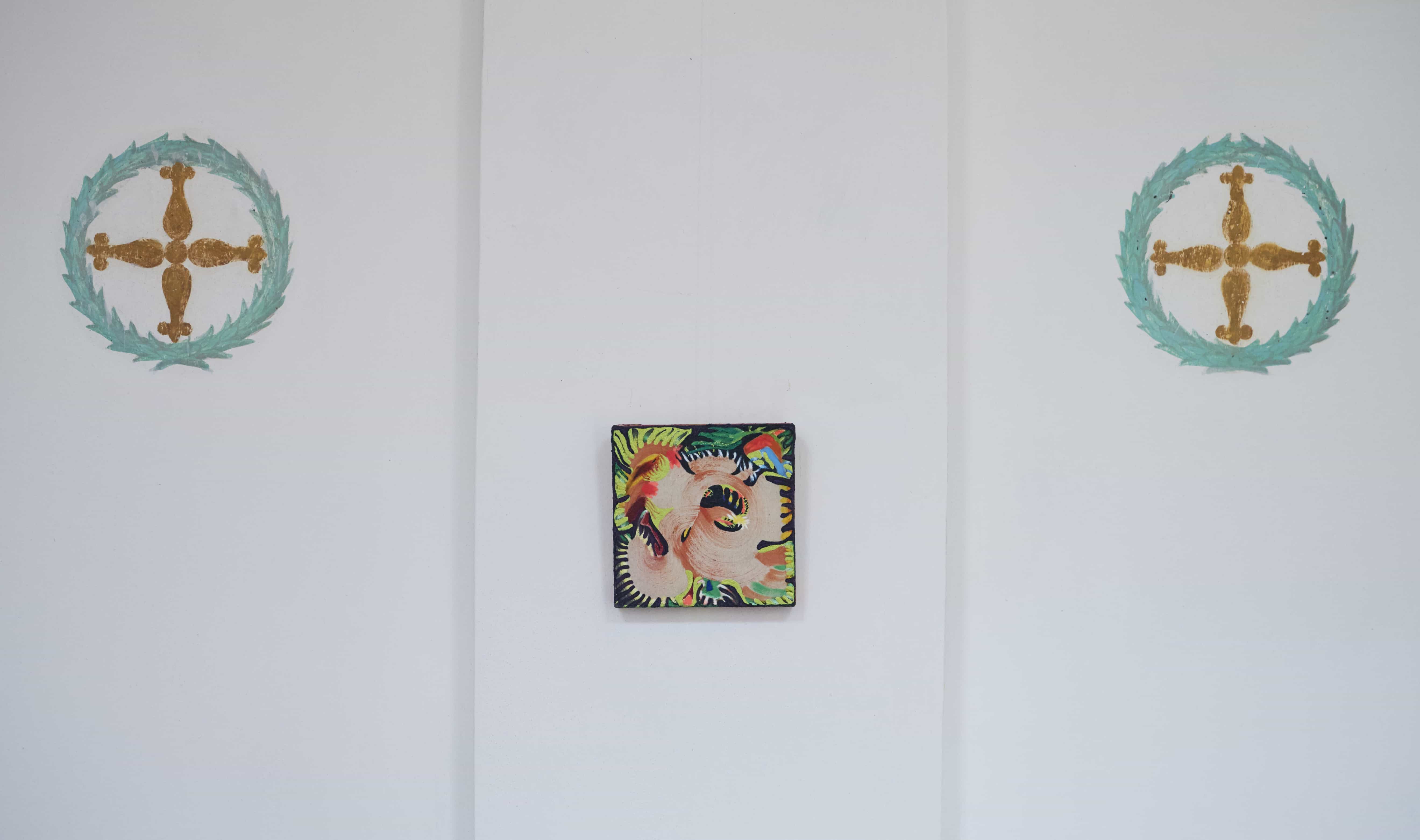
Chapel 2025 exhibition.
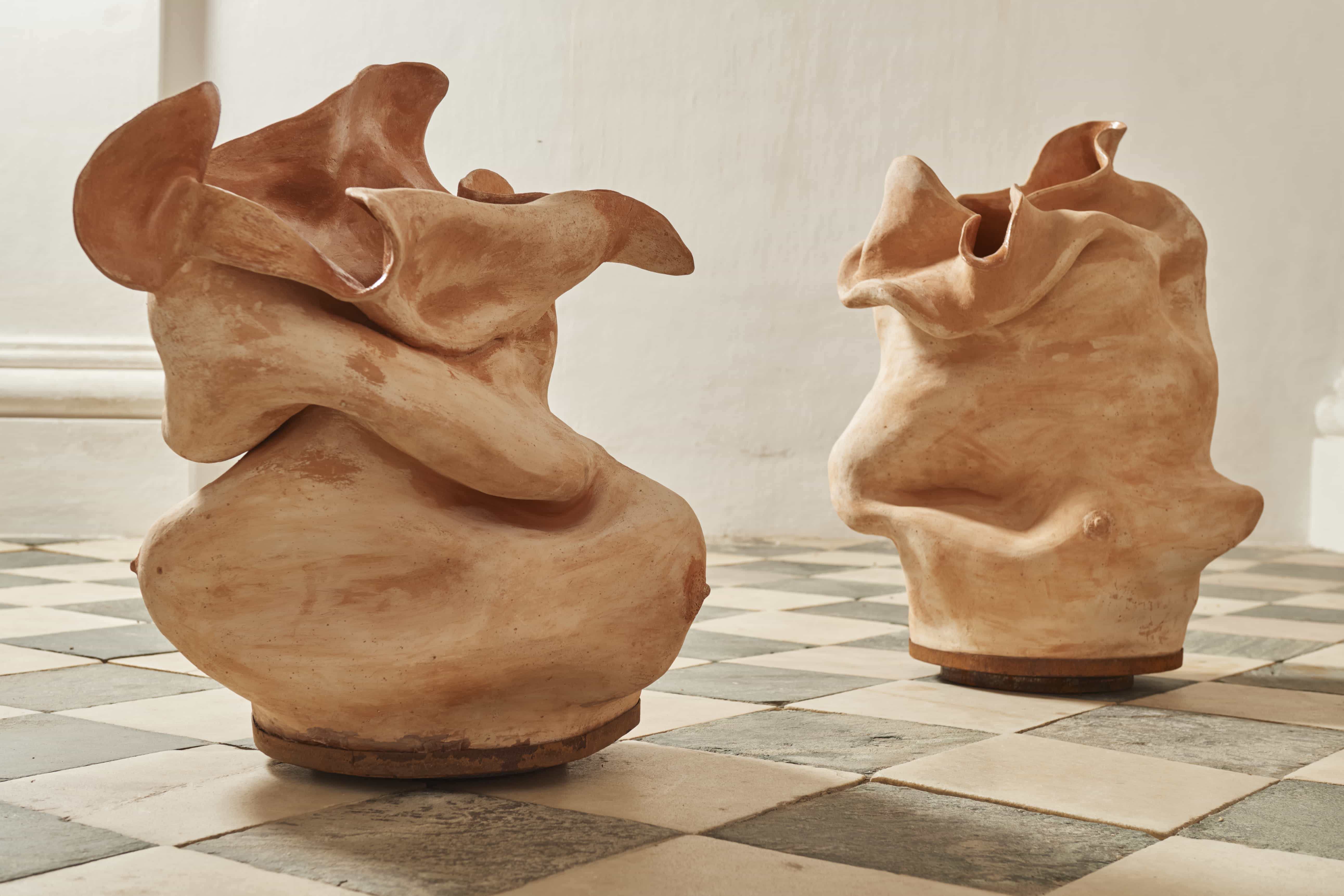
Magda von Hanau, Avá & Iara, 2025, Clay, pigment, resin on an iron turntable base and speakers, 82 x 58 x 62 cm & 75x 62 66 cm
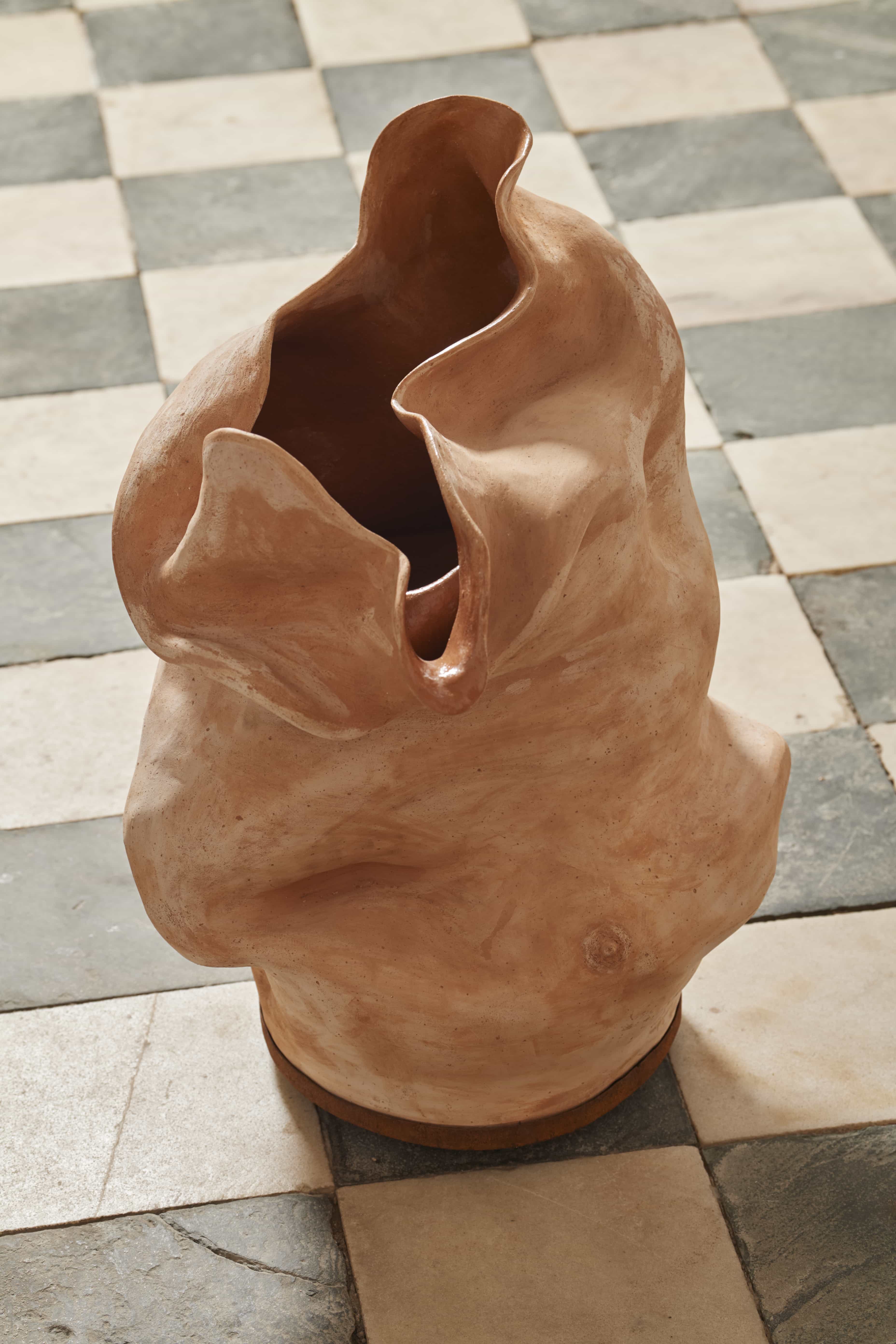
Magda von Hanau, Avá 2025, Clay, pigment, resin on an iron turntable base and speakers, 82 x 58 x 62 cm
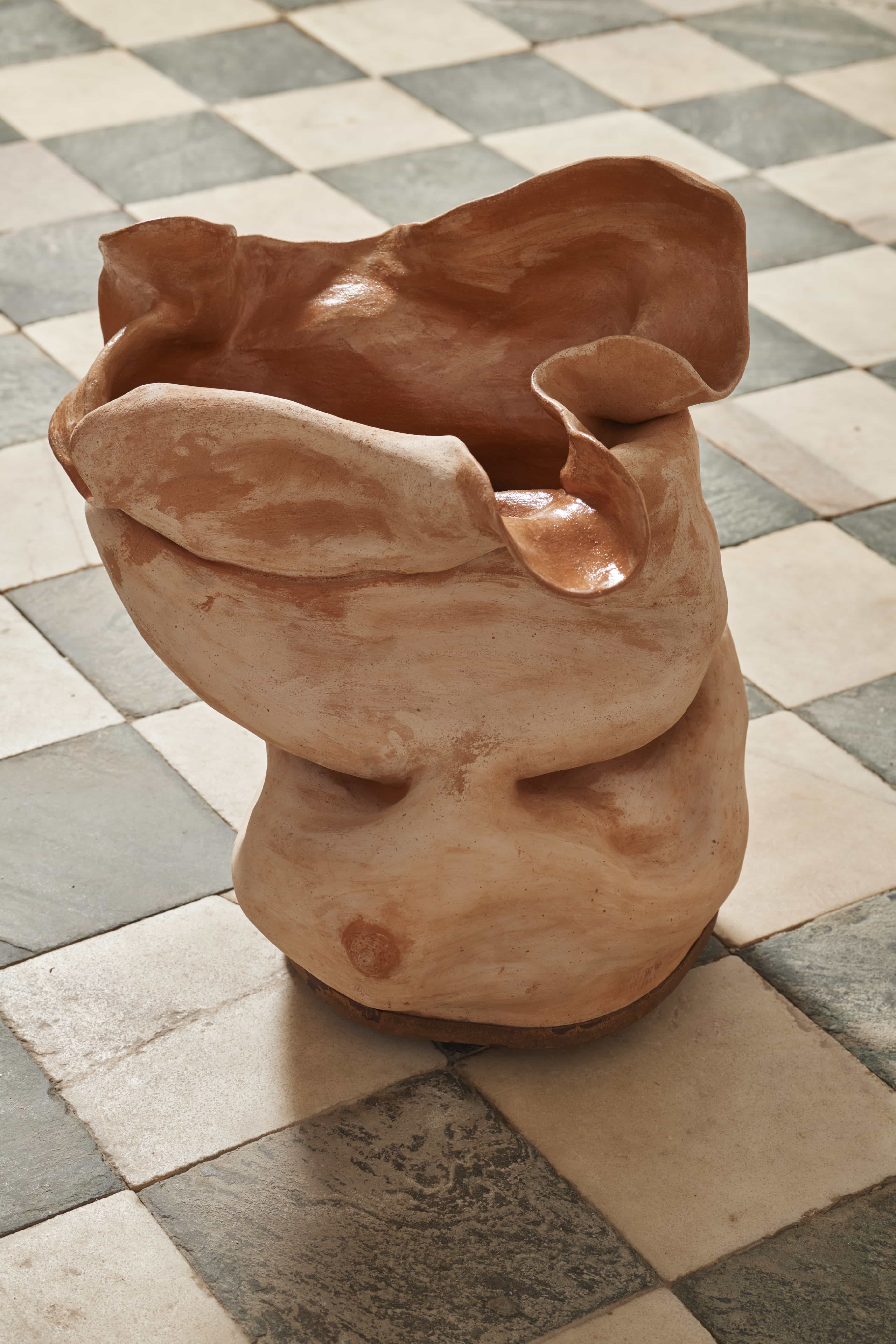
Magda von Hanau, Iara, 2025, Clay, pigment, resin on an iron turntable base and speakers, 75x 62 66 cm
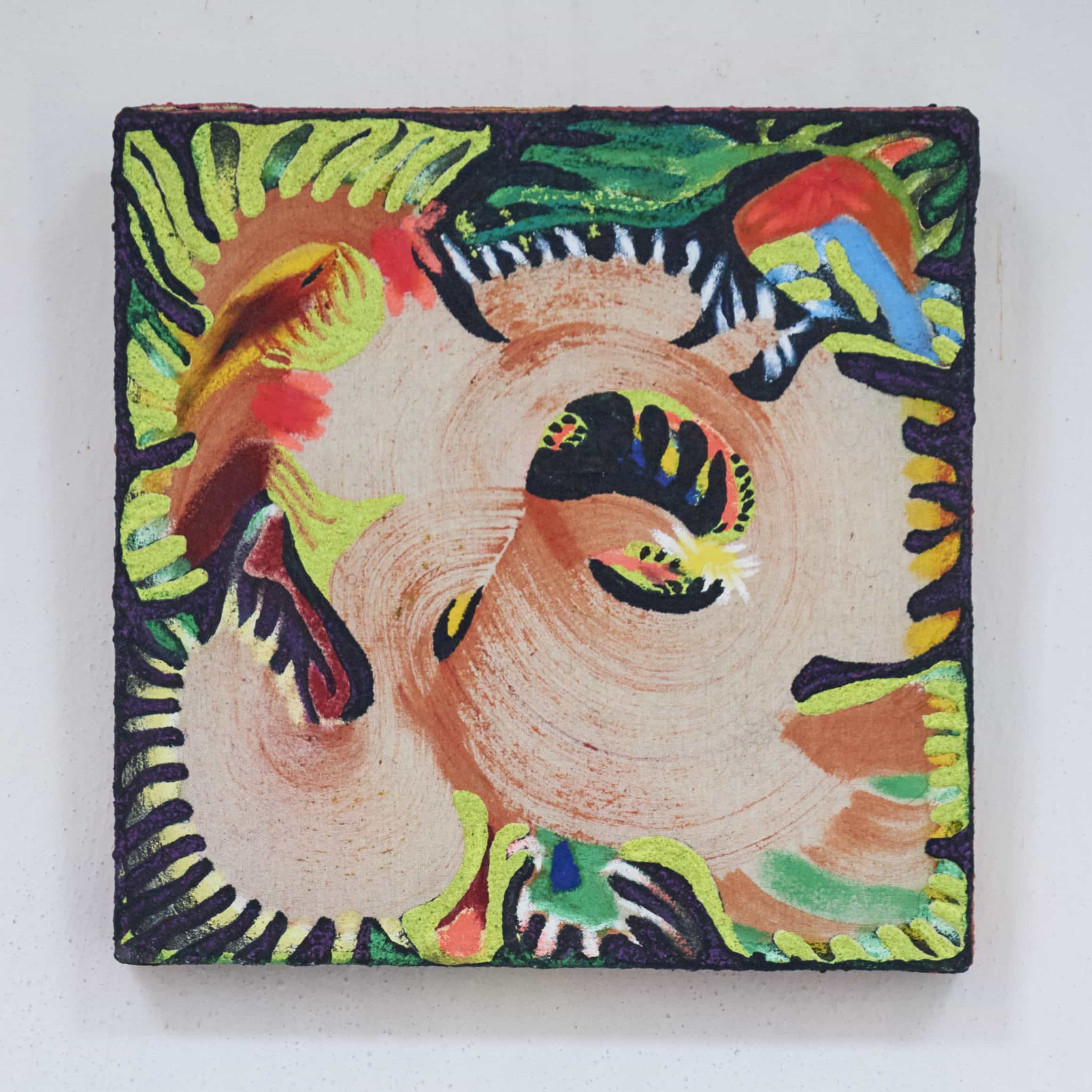
Melania Toma, Hearts, IV, 2024, Oil paint, charcoal, sand, pigments, acrylics, graphite, ink, pastel on canvas, 25 x 25 cm
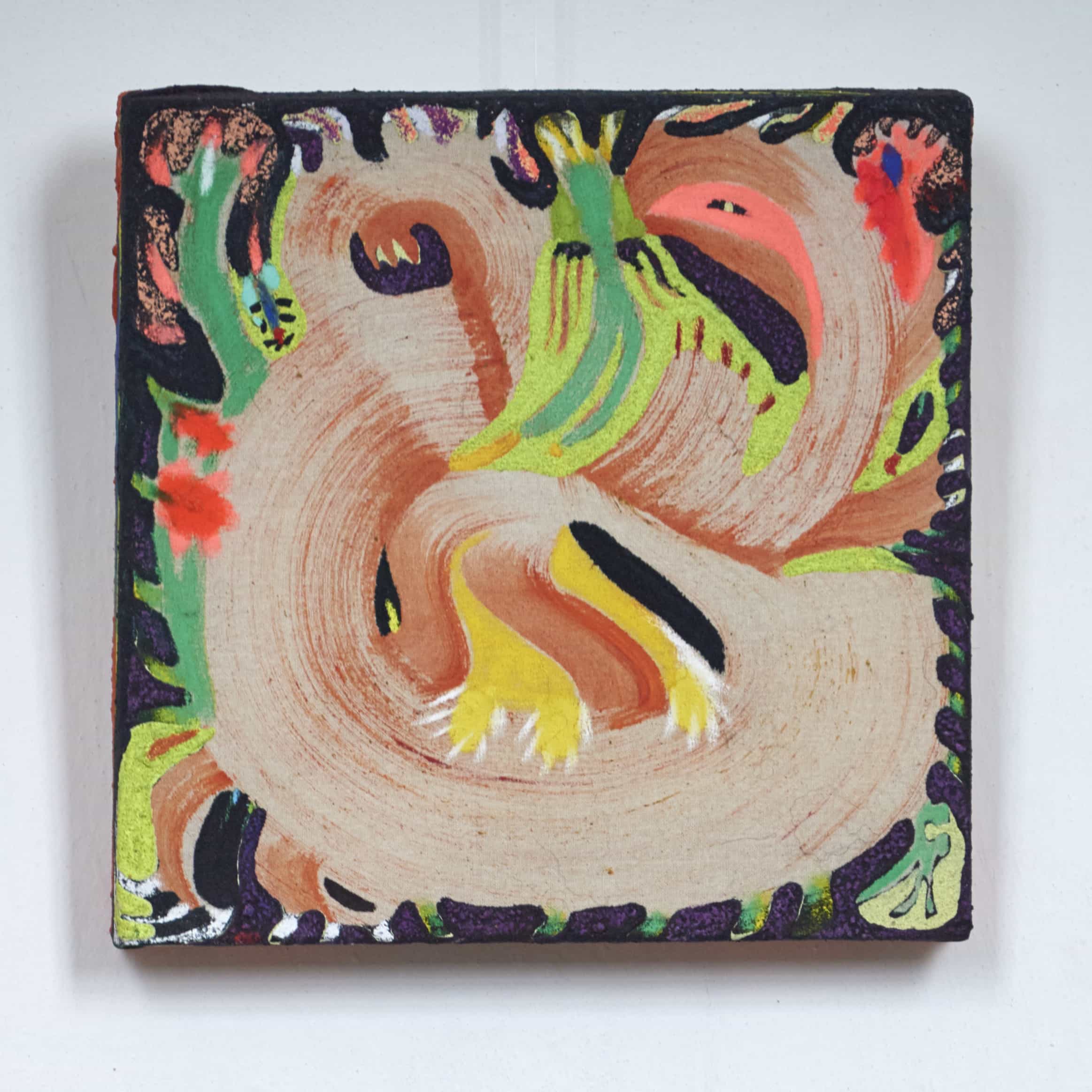
Melania Toma, Hearts, V, 2024, Oil paint, charcoal, sand, pigments, acrylics, graphite, ink, pastel on canvas, 25 x 25 cm
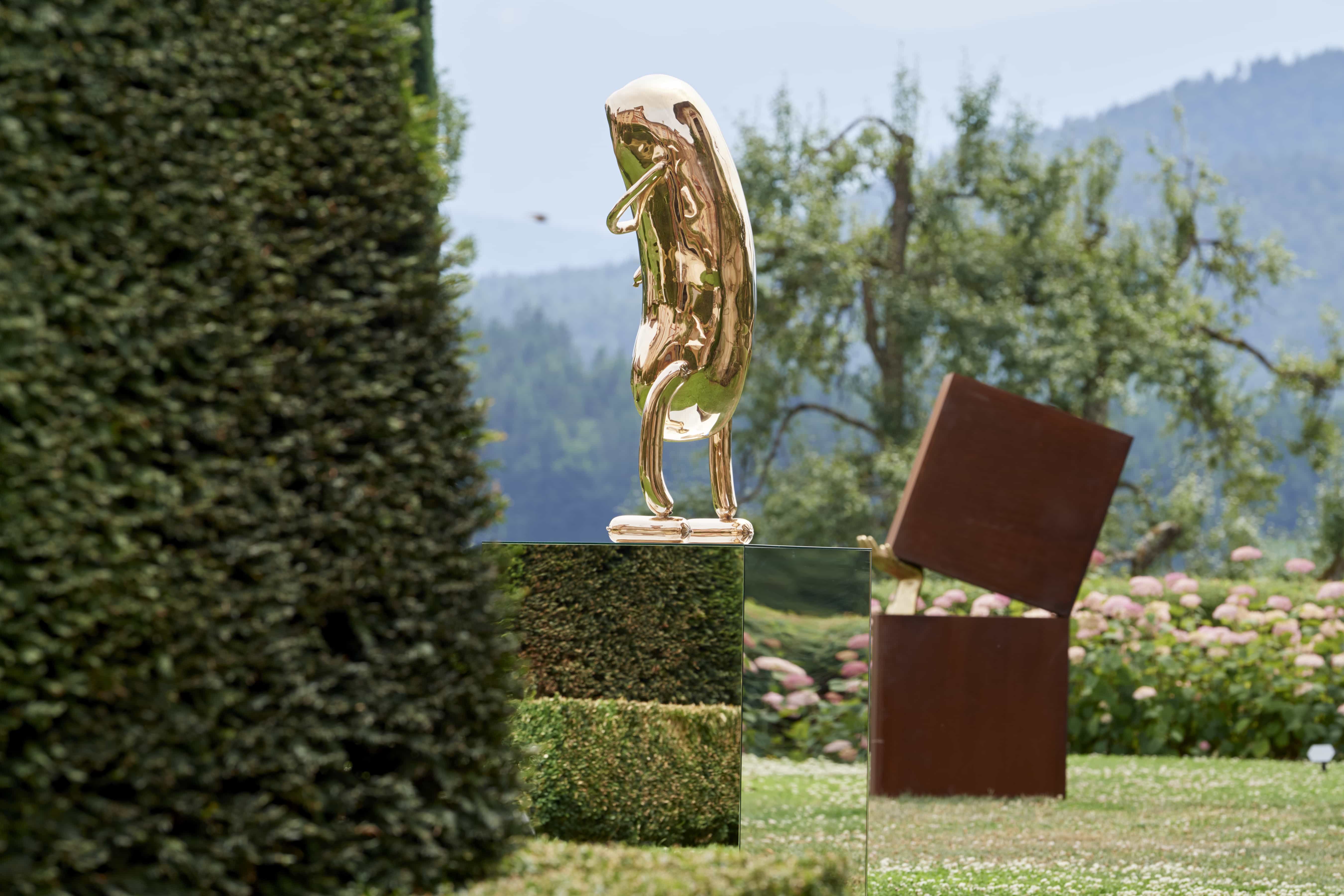
Garden 2025 exhibition.
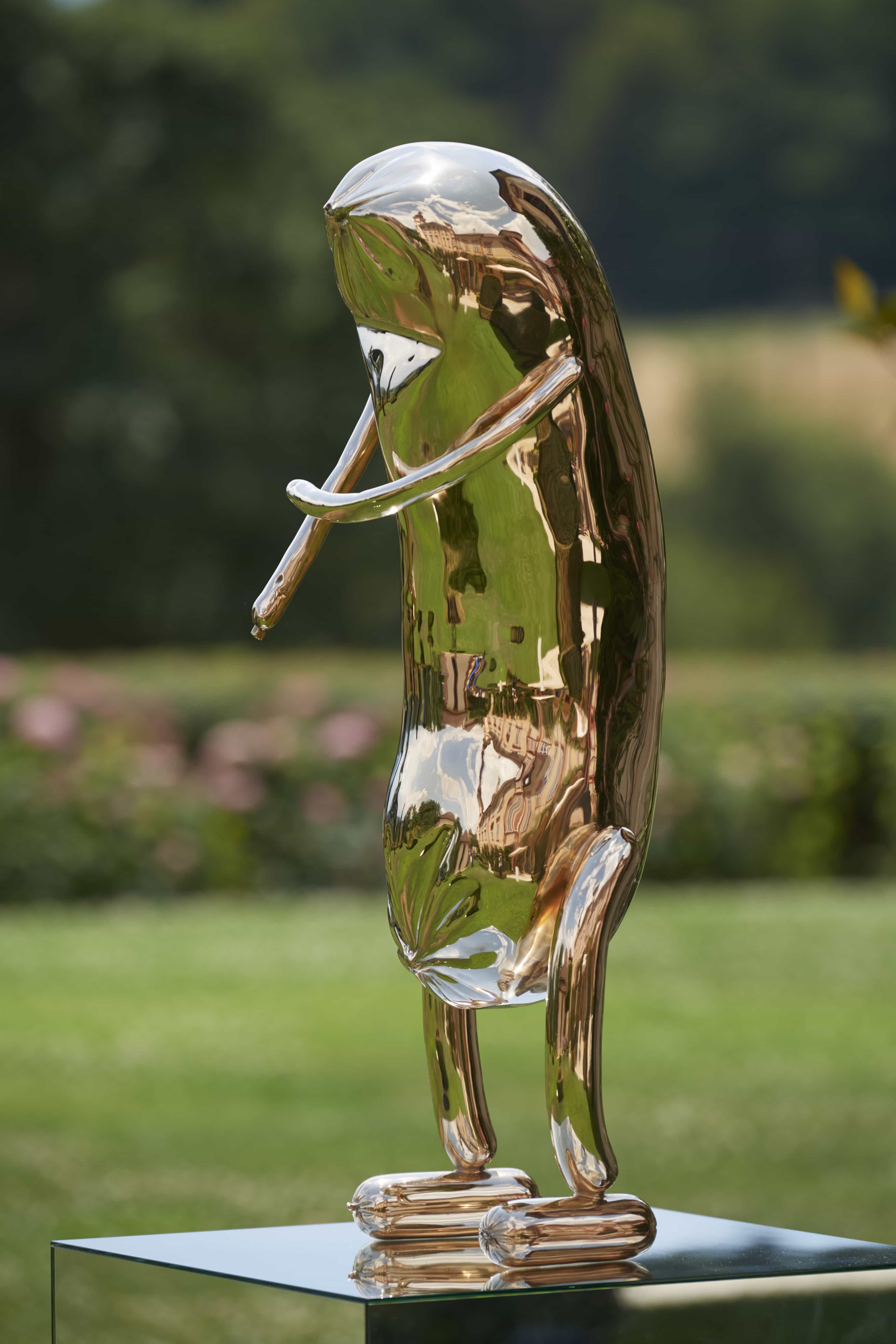
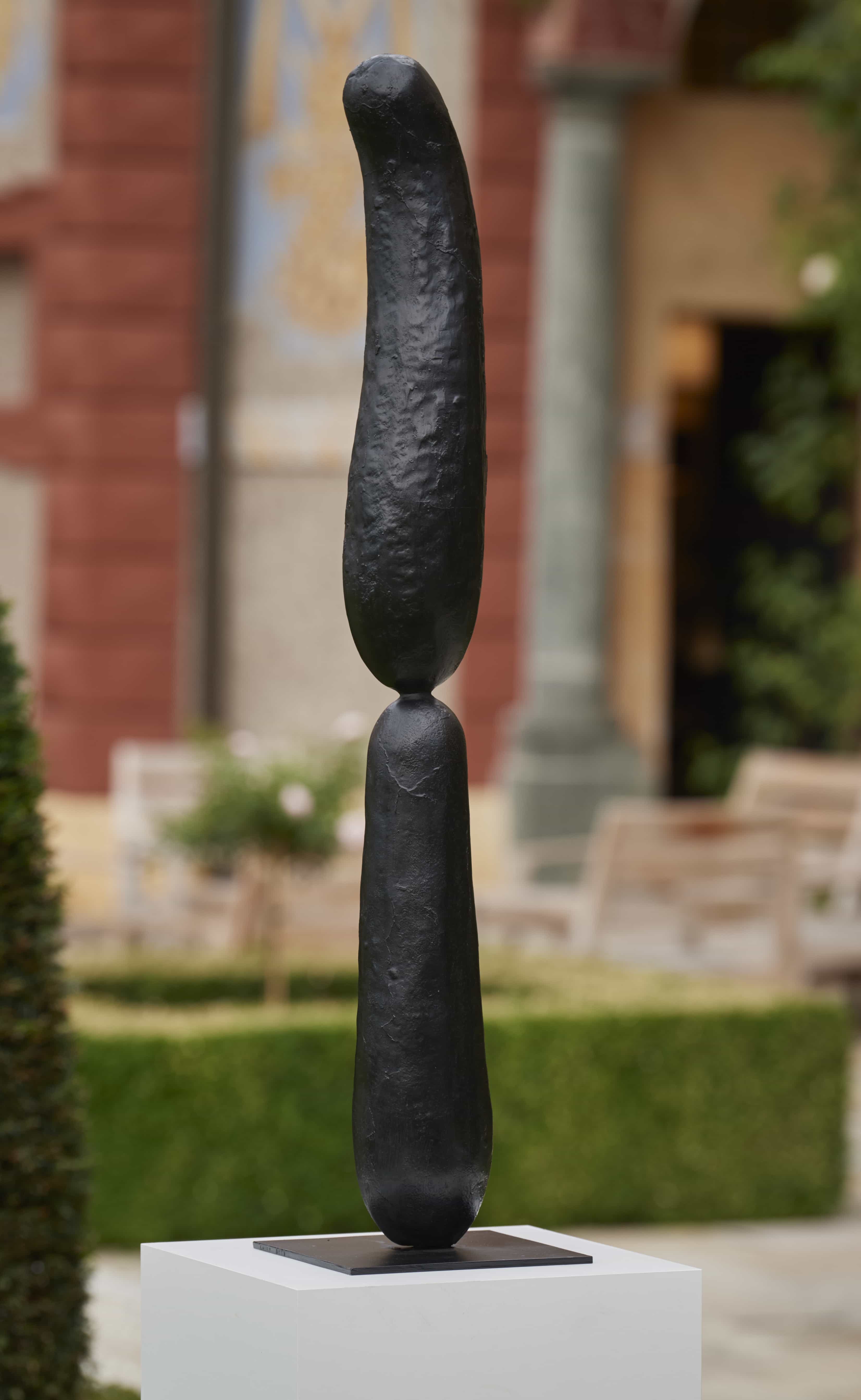
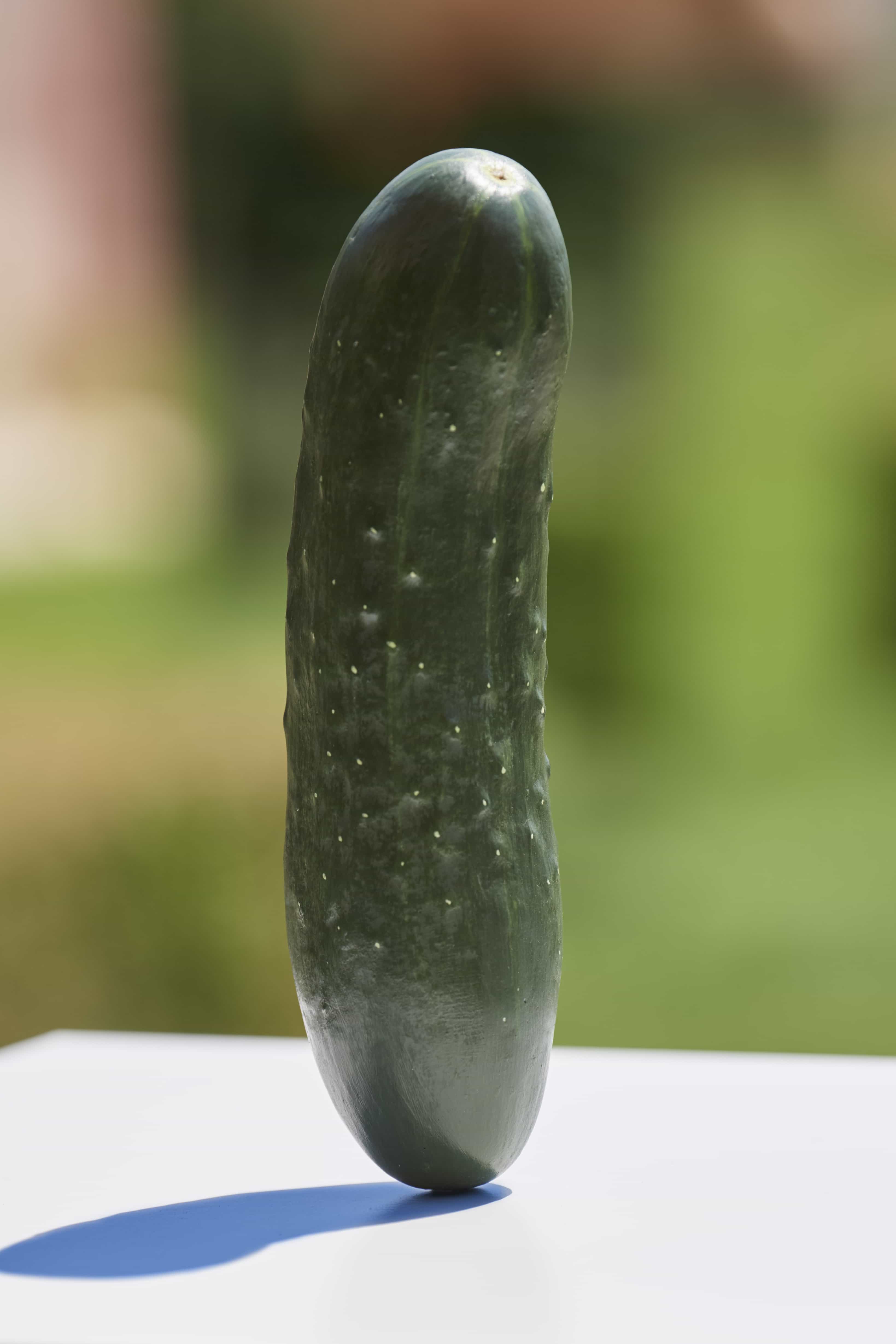
Erwin Wurm, Untitled (Salatgurke Nr.09) (Selbstportrait Als Gurken), 2008, Acrylic, paint, 19 × 4 cm
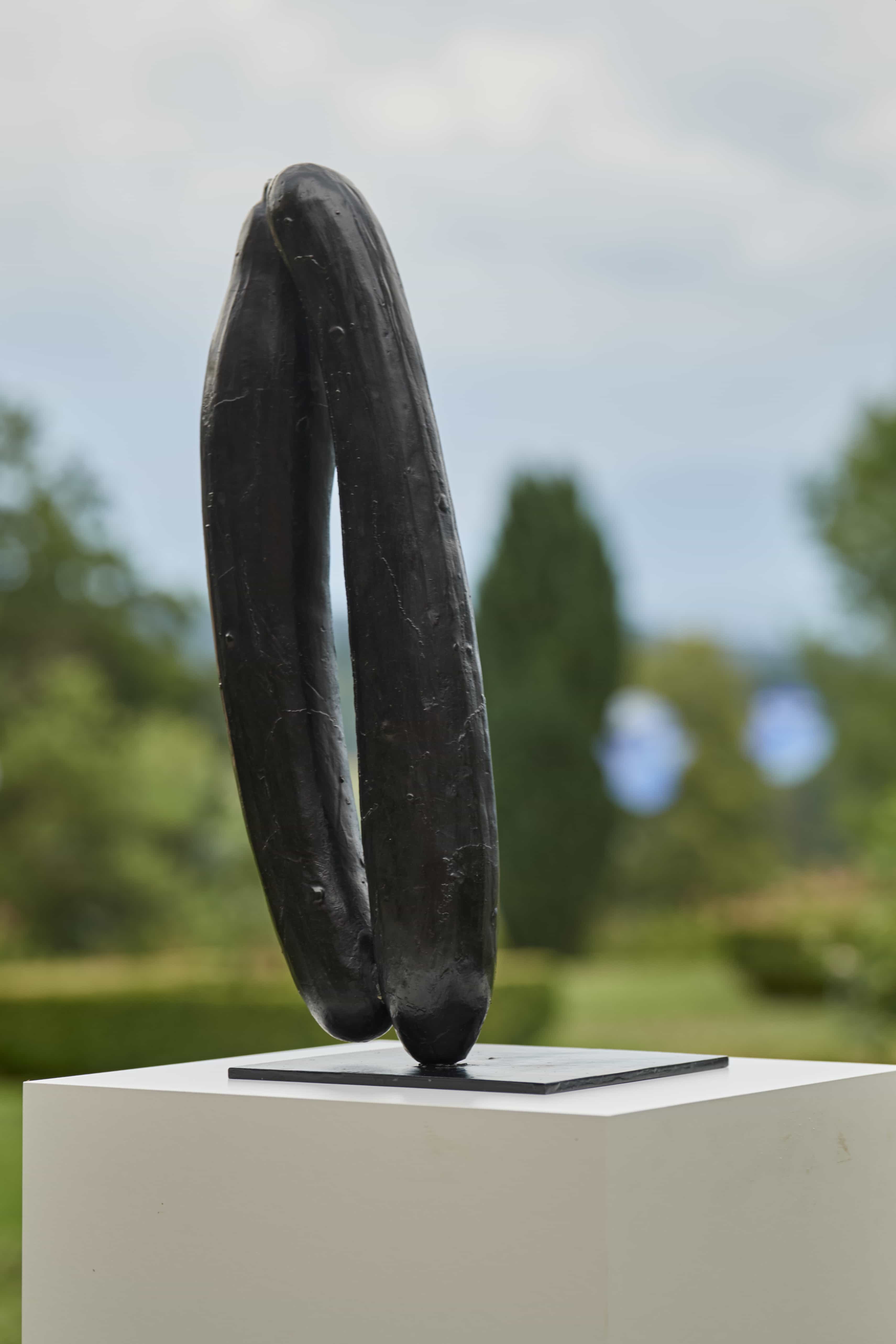
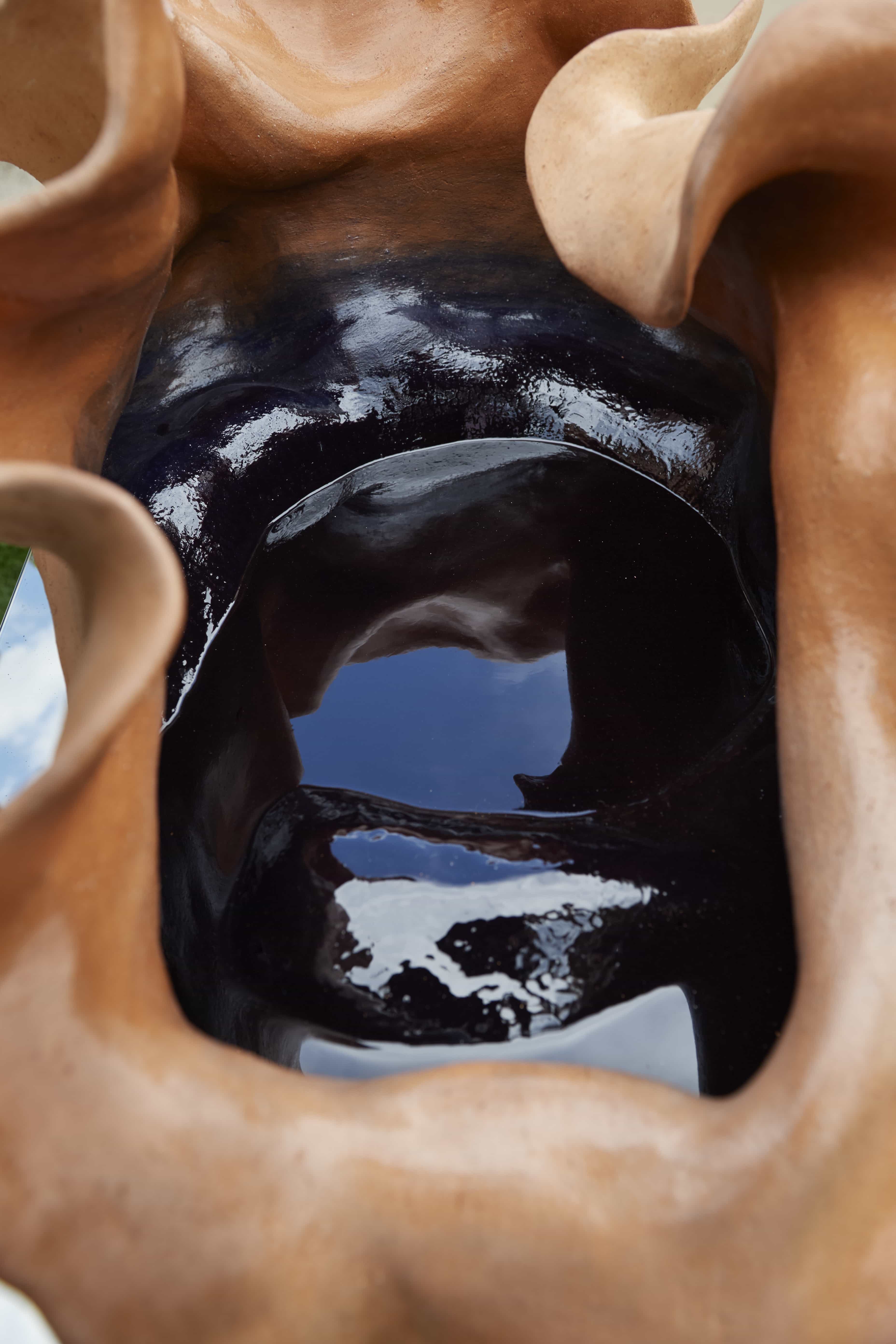
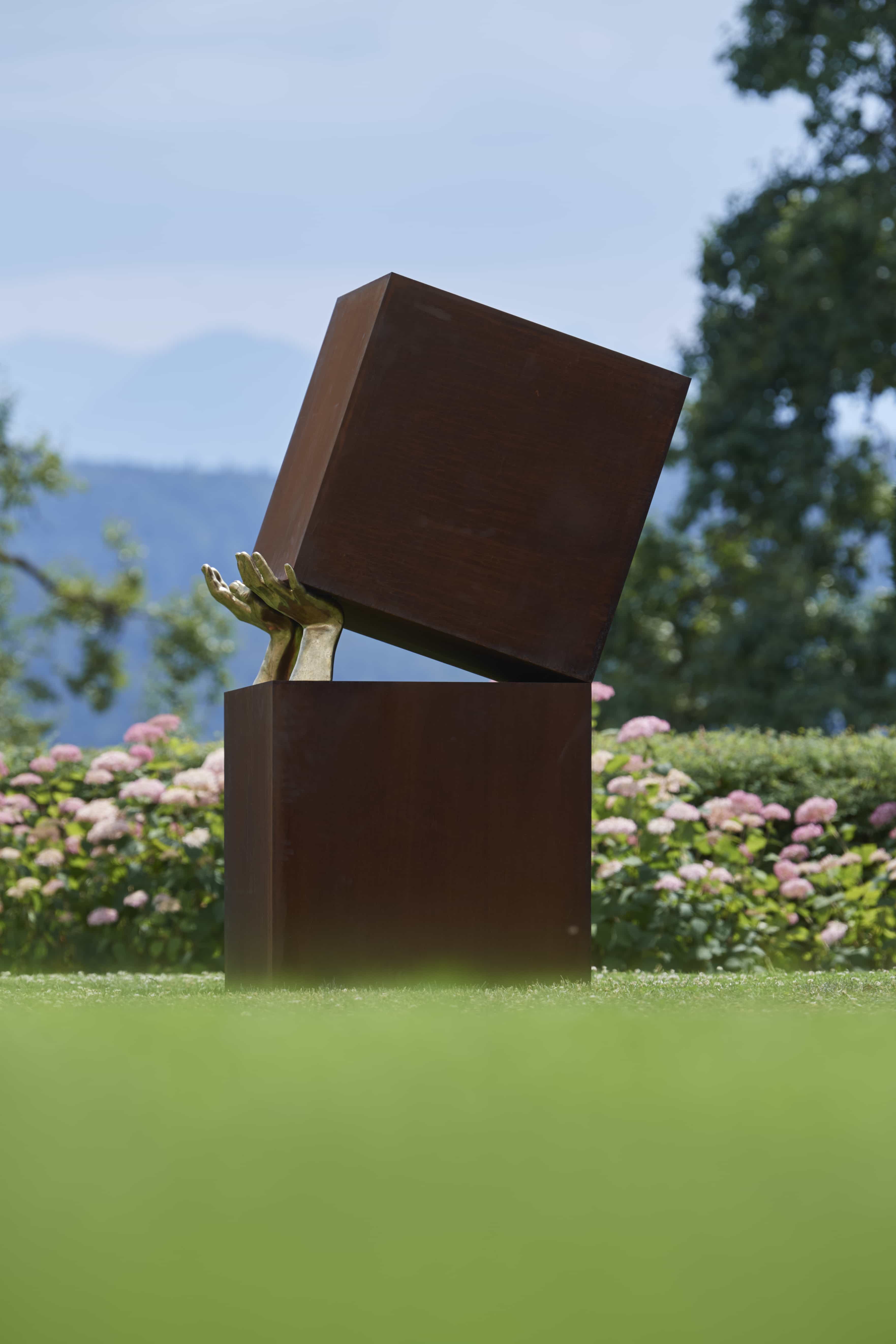
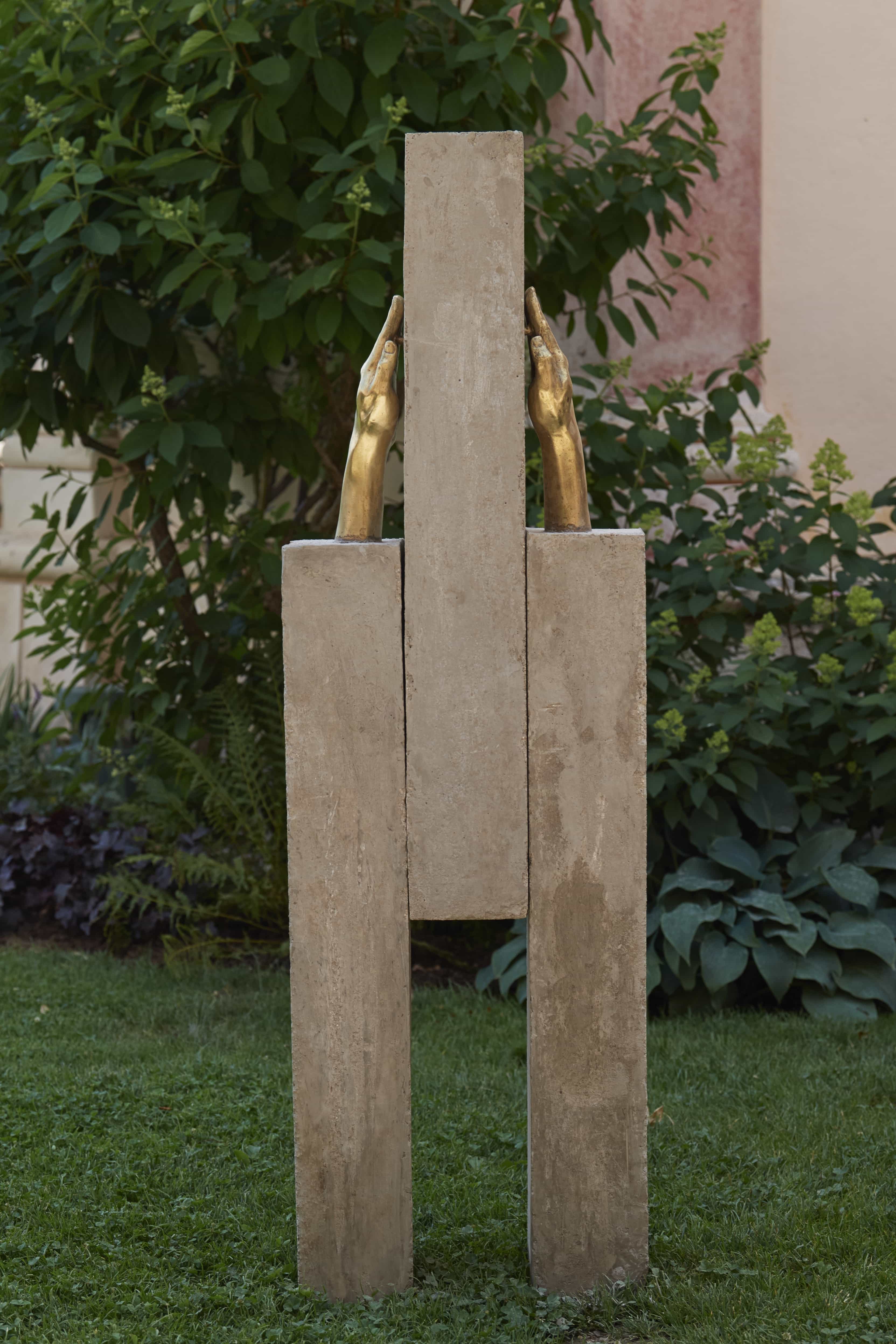
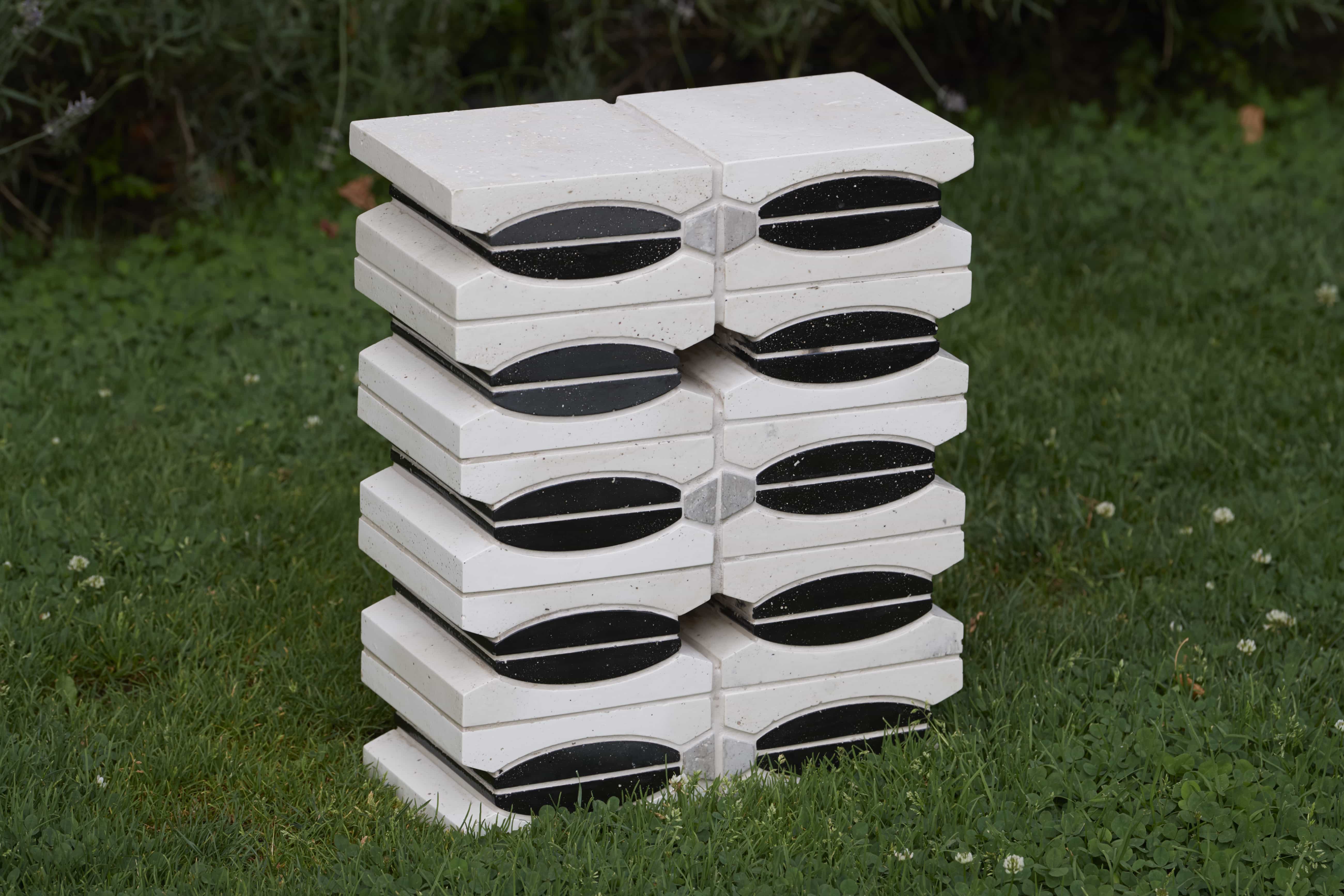
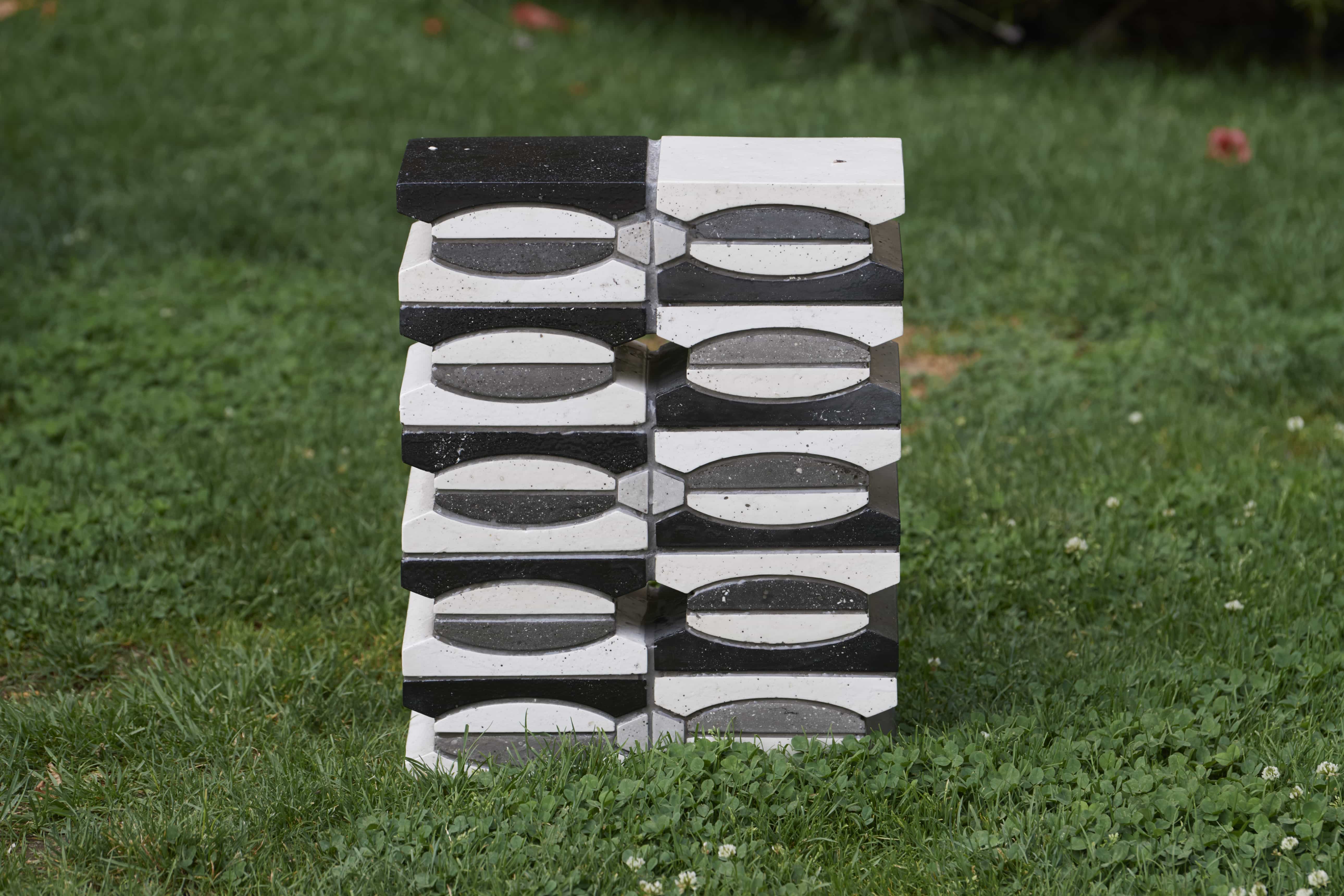
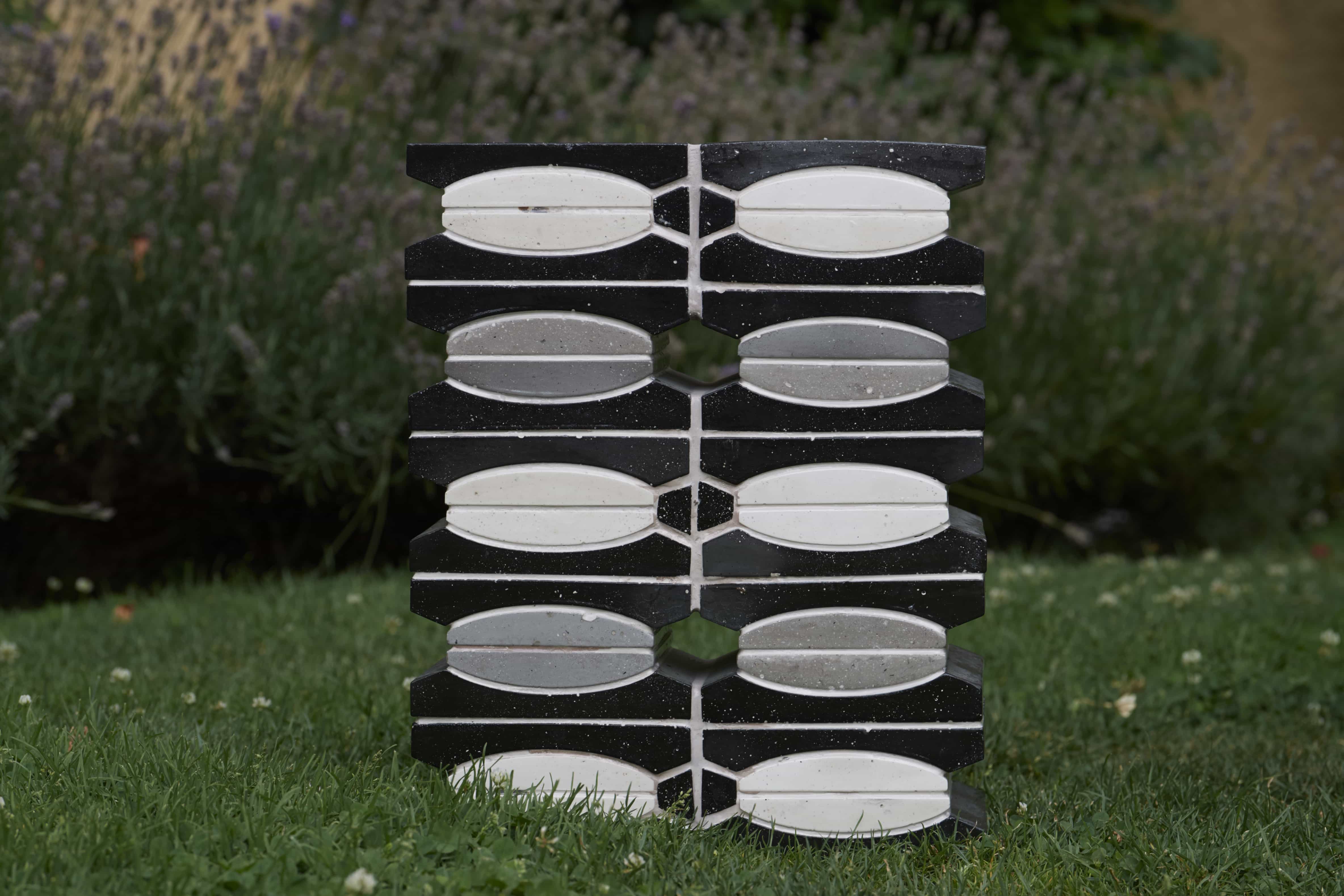
WKND Lab, HUI Stool 1, Korea, Oyster shells, wood, 360 x 180 x 460 mm
SOLD