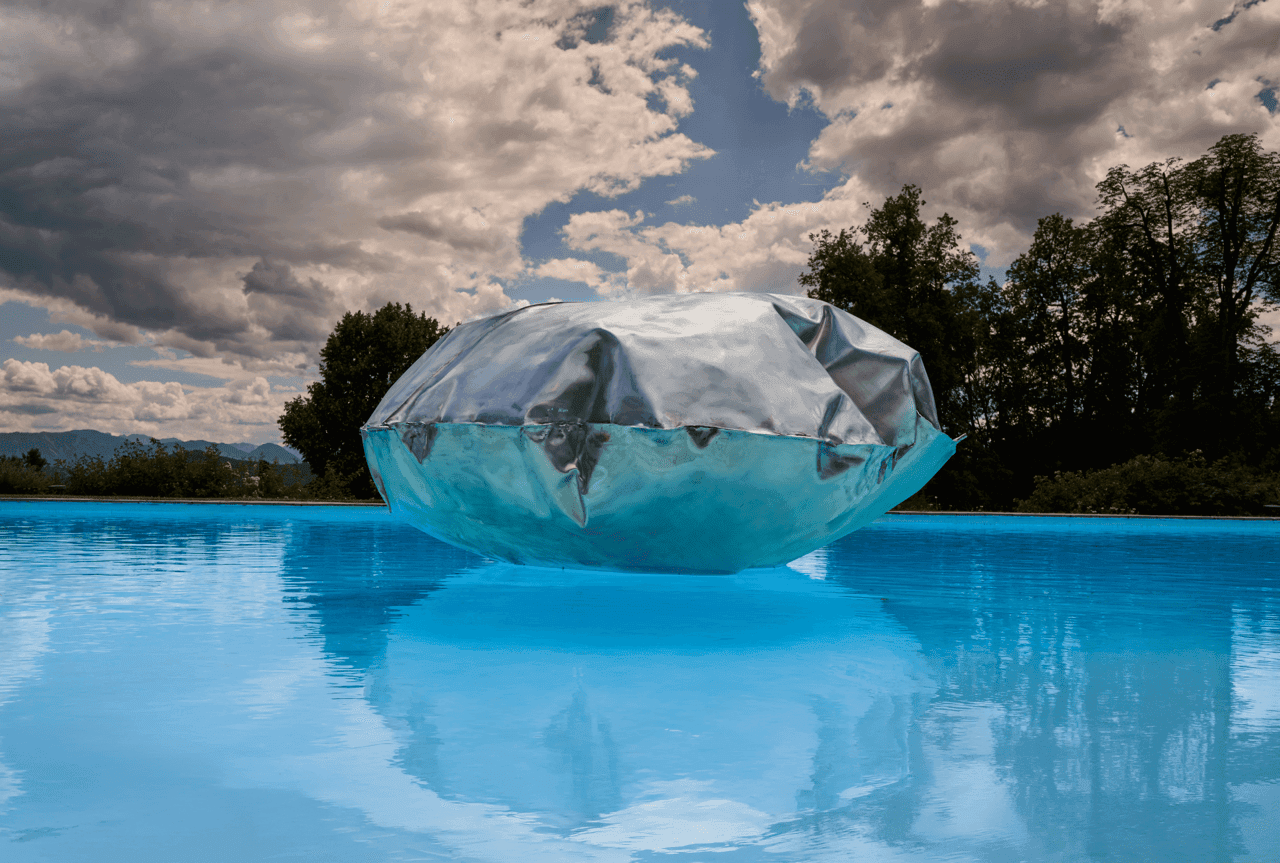


[Exhibition]
2026
Youtopia
[Curator]
Agnes Husslein-Arco
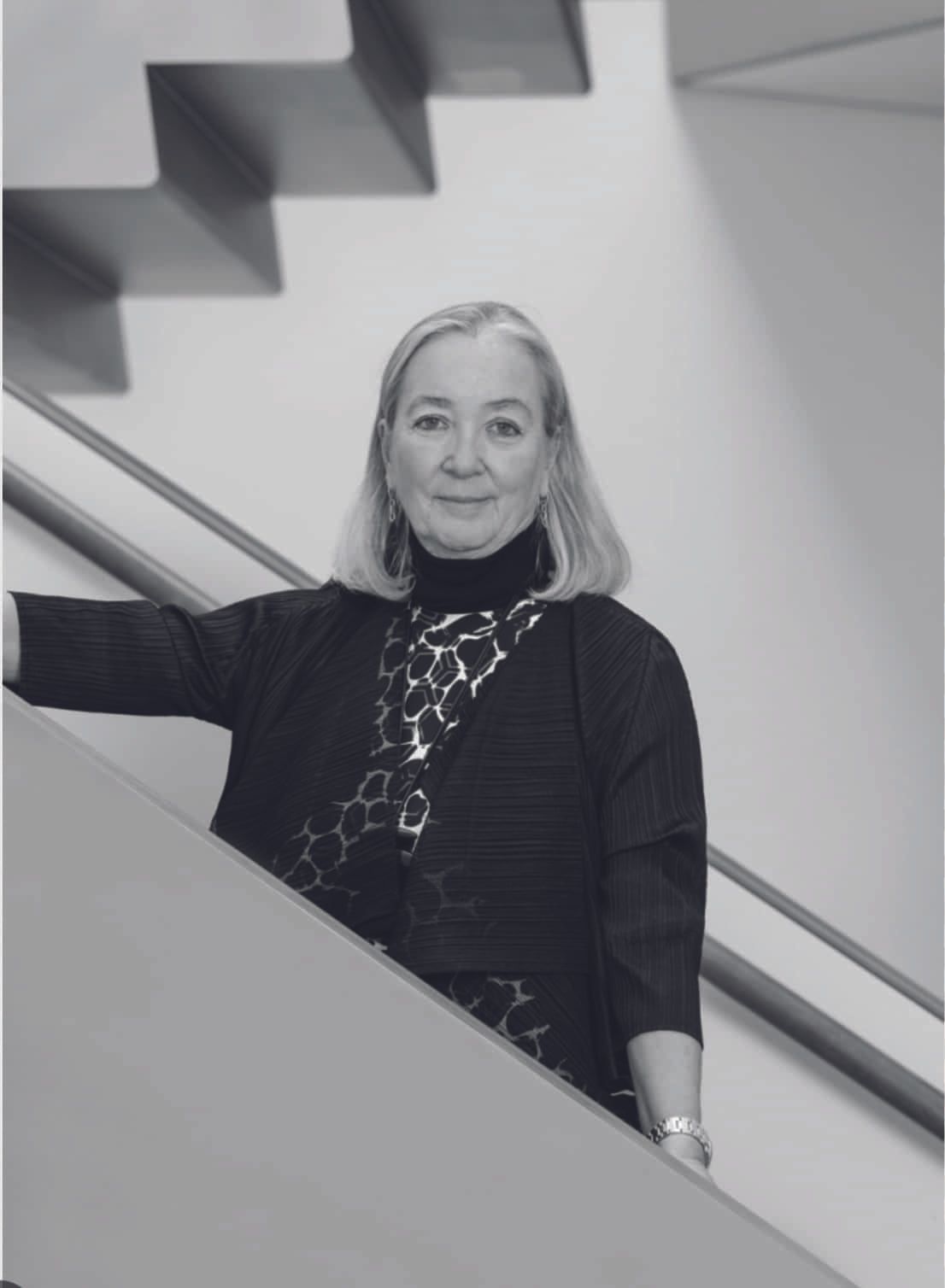

Agnes Husslein-Arco
Agnes Husslein-Arco studied Art History in Vienna and Paris. In 1981, she founded Sotheby’s Austria and served as Senior Director, managing the branches in Vienna, Budapest, and Prague. She was also a specialist in Modern and Contemporary Art until 2000. From 1990 to 1998, she served as Director of European Development for the Guggenheim Museum. Between 1990 and 2000, she also organized the Guggenheim Association Salzburg and chaired the Austrian Guggenheim Advisory Board. Since 2001, Agnes Husslein-Arco has held leading positions as a museum director. She headed the Rupertinum in Salzburg and became the founding director of the Museum der Moderne Salzburg. She was responsible for numerous major projects, including the establishment of the MMKK – the Museum of Modern Art Carinthia. From 2007 to 2016, she successfully directed the Austrian National Gallery Belvedere. Between 2017 and 2022, she was a member of the Board of the Leopold Museum Private Foundation, where she curated the first presentation of the Heidi Horten Collection. She subsequently became the founding director of the private museum Heidi Horten Collection, which opened in the heart of Vienna in 2022. The museum serves as the permanent home of the world-class art collection assembled by Austrian patron Heidi Horten, a collection that Agnes Husslein-Arco had helped build since the 1990s. Since 2000, she has curated numerous exhibitions of Modern and Contemporary Art.
[Artists]
Nathalie Edenburg
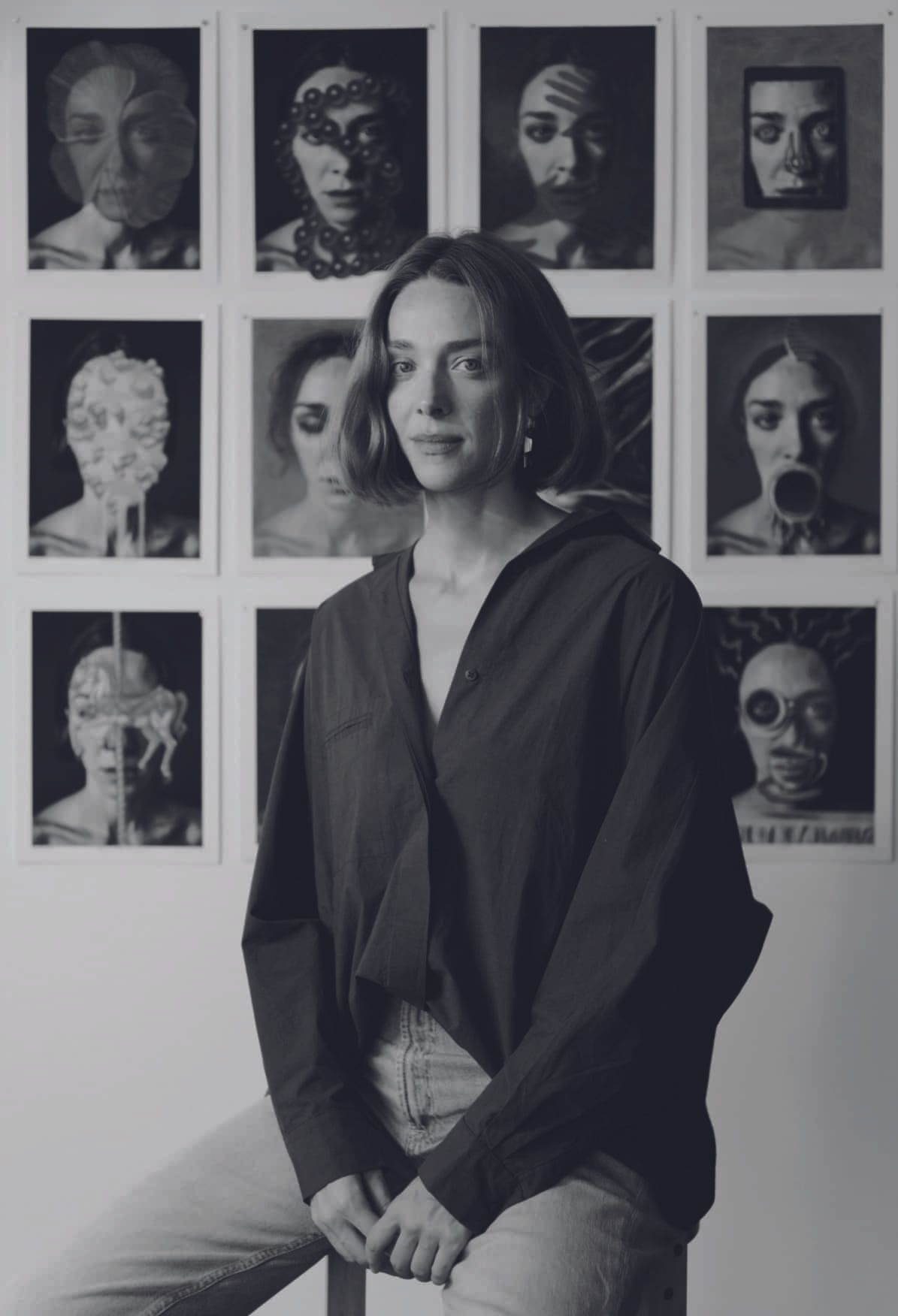
Nathalie Edenburg
Born 1992 | Juiz de Fora, Minas Gerais, Brazil. Selected Recognition & Collections: Forbes Under 30 Brazil (Arts, 2020); featured in Jewelry of Brazil; works held in significant private collections internationally.
Nathalie Edenburg is a Brazilian visual artist, painter, photographer, and jewelry designer whose multidisciplinary practice explores emotion, memory, femininity, and surrealist imagination. Moving fluidly between painting, photography, and artistmade jewelry, she creates poetic visual narratives inspired by nature, mythology, dreams, and personal experience. Her work is recognized for its vibrant color palette, symbolic imagery, and exploration of the inner world of women. Edenburg is the creator of How Do I Feel Today, an ongoing visual diary examining emotional expression through art, which has also evolved into a social initiative offering creative workshops for children and communities. Alongside her visual art practice, she founded Nathalie Edenburg Art Jewelry, producing sculptural wearable works that bridge fine art and design. Her work has been presented through exhibitions, publications, and collaborations with cultural institutions in Brazil and abroad. In 2020, she was selected for the Forbes Under 30 Brazil list in the Arts category, recognizing her contribution to contemporary creative practice.
Hans Kupelwieser
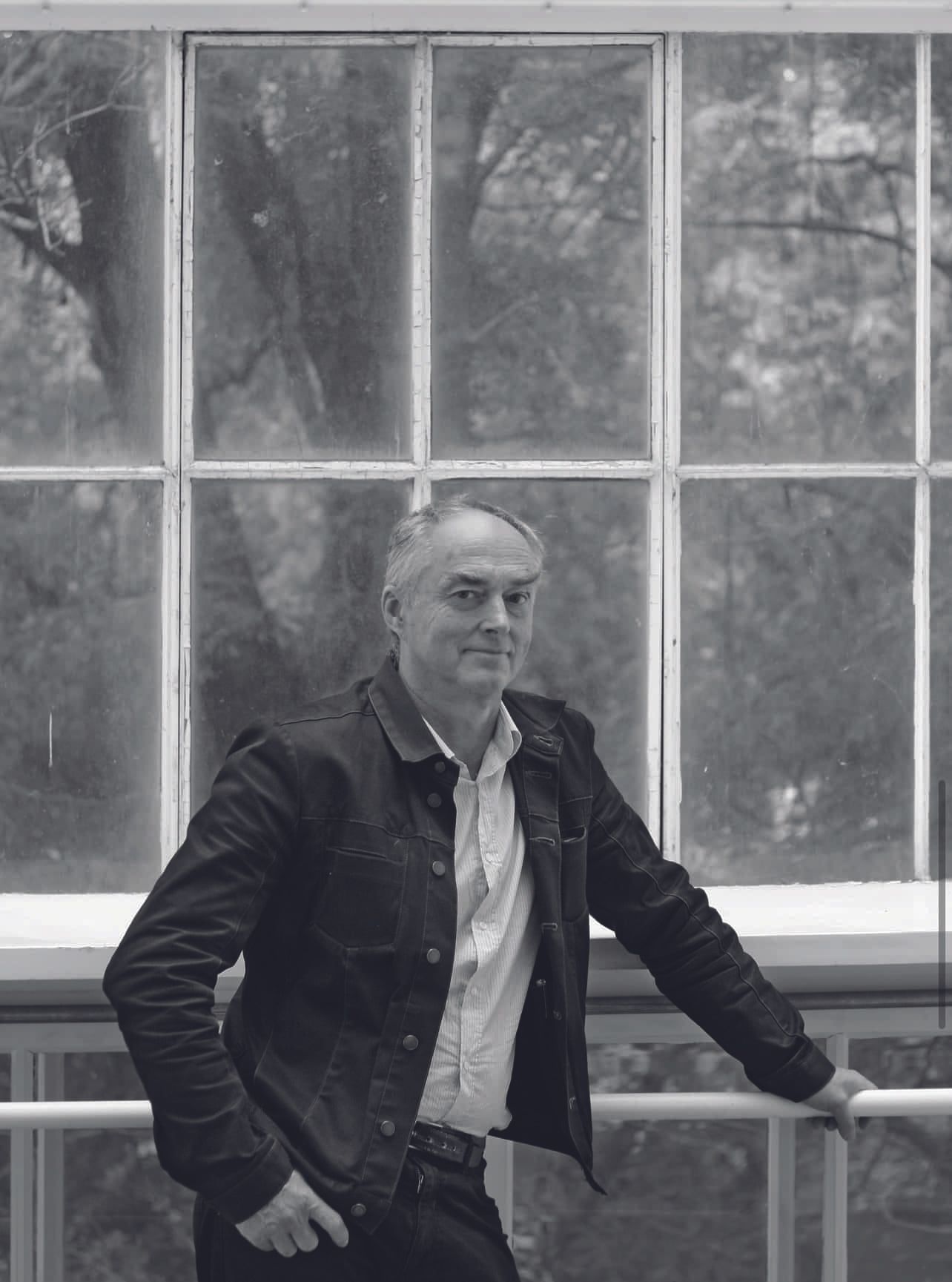
Hans Kupelwieser
Born 1948 | Lunz am See, Lower Austria. Selected Collections: Neue Galerie Graz / Universalmuseum Joanneum; Lentos Kunstmuseum Linz; Museum der Moderne Salzburg; Austrian Sculpture Park; Albertina.
Hans Kupelwieser is one of Austria’s leading contemporary sculptors, renowned for his innovative exploration of material, form, and industrial process. Working across sculpture, installation, photography, public art, and media-based practices, he transforms everyday materials through pressing, bending, cutting, perforating, and reshaping.His works investigate perception, space, and transformation, often revealing unexpected relationships between surface and structure. Kupelwieser studied at the Graphische Lehr- und Versuchsanstalt and the University of Applied Arts Vienna before becoming a professor at the Institute for Contemporary Art in Graz. Exhibited widely in museums and public spaces, his work is represented in important Austrian and international collections. Through decades of experimentation, he has expanded the possibilities of sculpture while maintaining a strong connection between material process and conceptual inquiry.
Constantin Luser
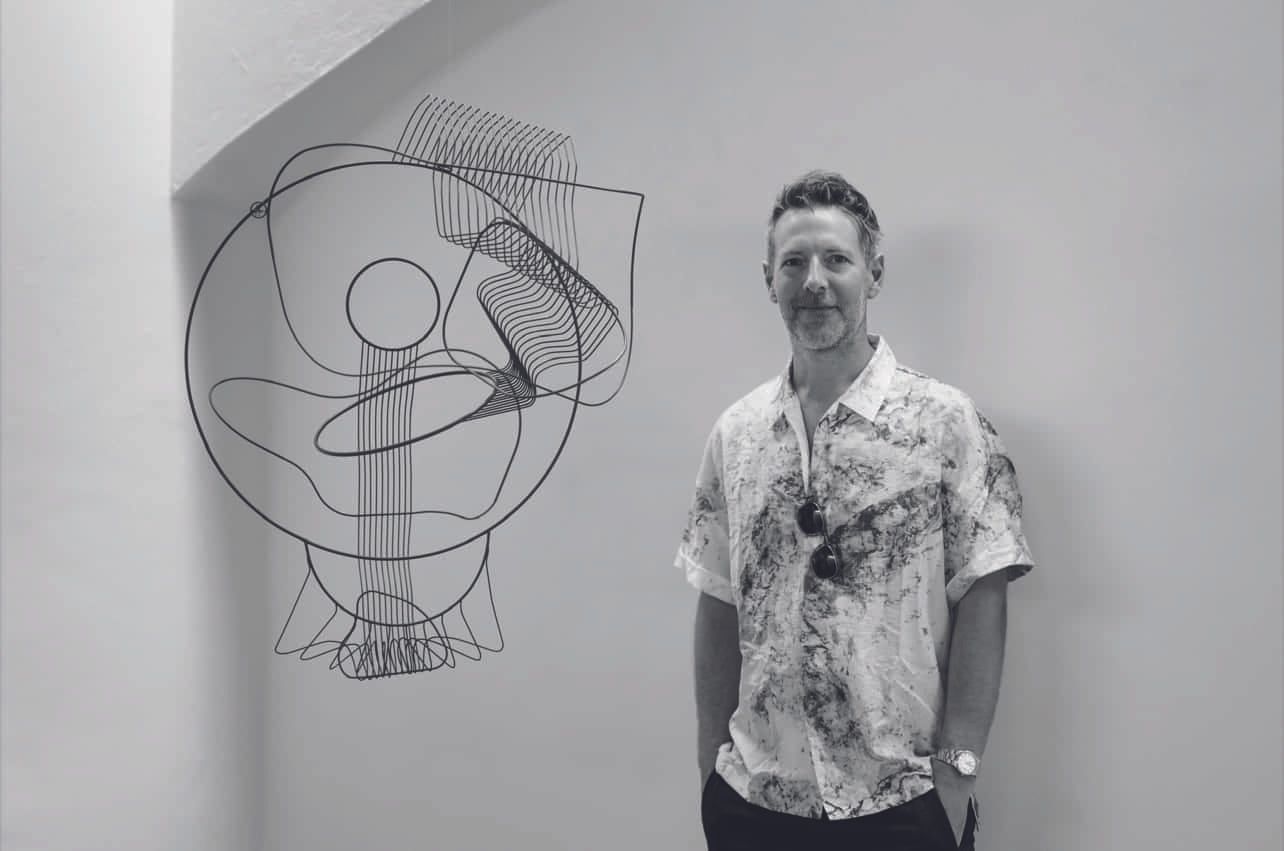
Constantin Luser
Born 1976 | Graz, Austria. Selected Collections: Albertina, Vienna; Belvedere, Vienna; EVN Collection; public institutional commissions and collections.
Constantin Luser is an Austrian contemporary artist whose multidisciplinary practice spans drawing, sculpture, installation, sound, and performance. Known for his distinctive wire sculptures, spatial drawings, and playable sound objects, he explores the relationship between line, form, movement, perception, and architecture. Trained in industrial design, conceptual art, and visual media, Luser transforms drawing into threedimensional space, creating immersive structures that engage both the eye and the ear. His work frequently merges visual art and music, inviting viewers into environments where spatial experience becomes an active component of the artwork. Luser has exhibited internationally at institutions including the Belvedere, Albertina, Kunsthaus Graz, Kunsthalle Krems, and Palais de Tokyo. Through his innovative approach to material and form, he continues to expand the possibilities of drawing and sculpture within contemporary art while creating works that balance technical precision with poetic imagination.
Gelatin
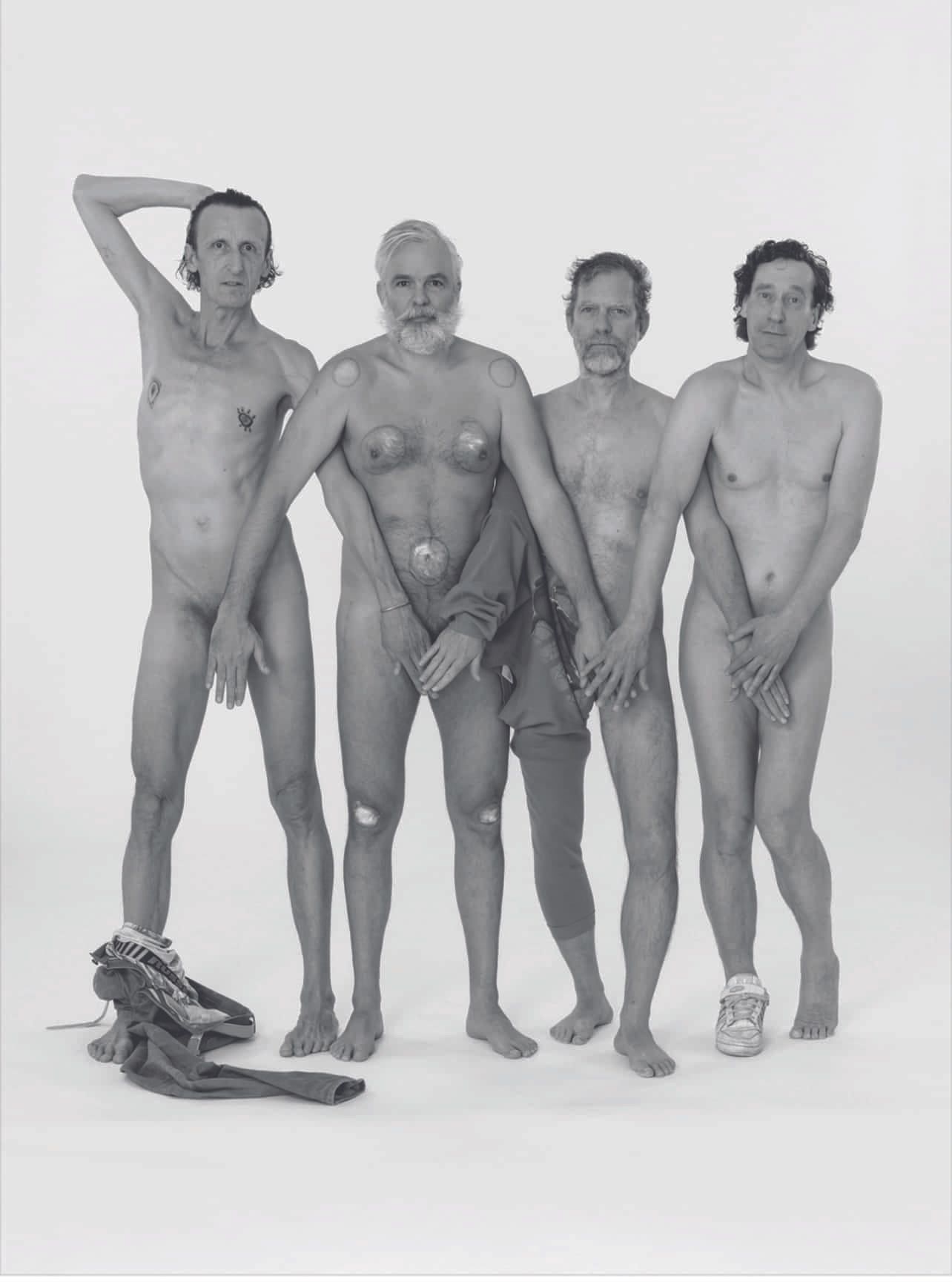
Gelatin
Founded 1978 | Vienna, Austria. Selected Collections: Centre Pompidou, Paris; Pinault Collection; MONA, Tasmania; mumok, Vienna; Belvedere, Vienna; Lentos Kunstmuseum Linz.
Gelatin is an Austrian artist collective founded in Vienna in 1993 by Wolfgang Gantner, Ali Janka, Florian Reither, and Tobias Urban, who first met as children at a summer camp in 1978. Internationally recognized for their playful, provocative, and often monumental works, Gelatin challenges conventional distinctions between sculpture, installation, performance, participation, and social encounter. Their practice embraces humor, experimentation, improvisation, and collective authorship, frequently inviting audiences into situations that blur the boundaries between art and everyday life. Over the past three decades, Gelatin has exhibited extensively in museums, biennials, galleries, and public spaces worldwide, including projects connected to the Venice Biennale, Musée d’Art Moderne de Paris, Aspen Art Museum, Greene Naftali, Perrotin, and Massimo De Carlo. Their works are represented in major international collections and continue to challenge expectations of artistic production through freedom, collaboration, and imagination.
Sissi Farassat
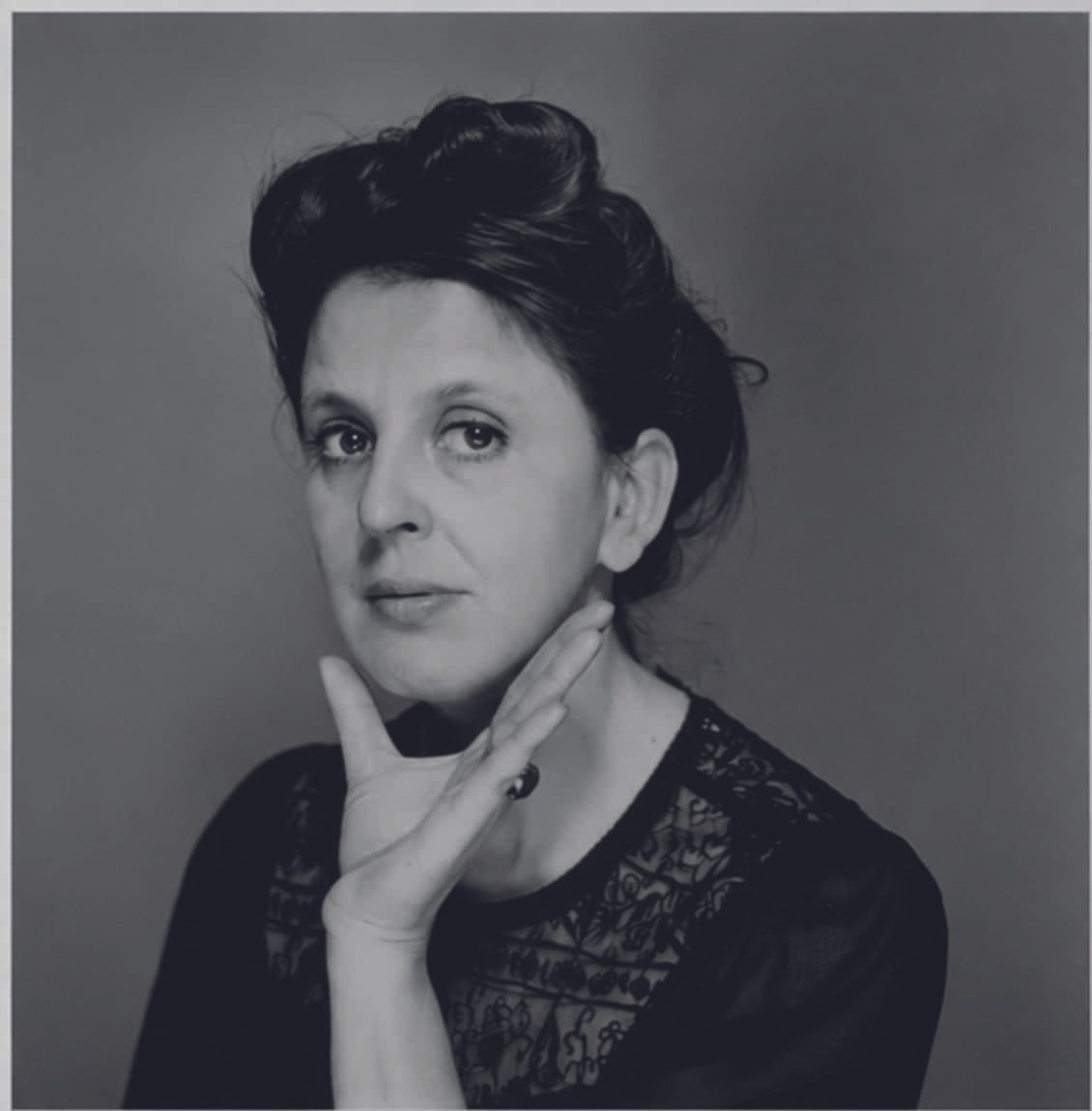
Sissi Farassat
Born 1969 | Tehran, Iran. Selected Collections: Fotomuseum Winterthur; MAK – Museum of Applied Arts Vienna; Museum für Gestaltung Zürich; Essl Collection; Collection of the City of Vienna.
Sissi Farassat is an Austrian-Iranian contemporary artist based in Vienna whose practice spans photography, embroidery, and mixed media. After moving from Tehran to Vienna in 1978, she developed a distinctive artistic language that combines photography with intricate hand-applied embellishments, including sequins, crystals, beads, and embroidery. By transforming photographic surfaces through labor-intensive interventions, Farassat challenges conventional distinctions between photography, craft, ornament, and fine art. Her work explores themes of identity, femininity, memory, cultural heritage, glamour, and visibility while inviting viewers to reconsider the relationship between image and materiality. Farassat’s photographs balance intimacy and spectacle, creating tactile works that reward sustained attention. Her work has been exhibited internationally and is represented in significant public and private collections. Through her unique synthesis of photography and embroidery, she has established a highly recognizable voice within contemporary European art.
Magda von Hanau
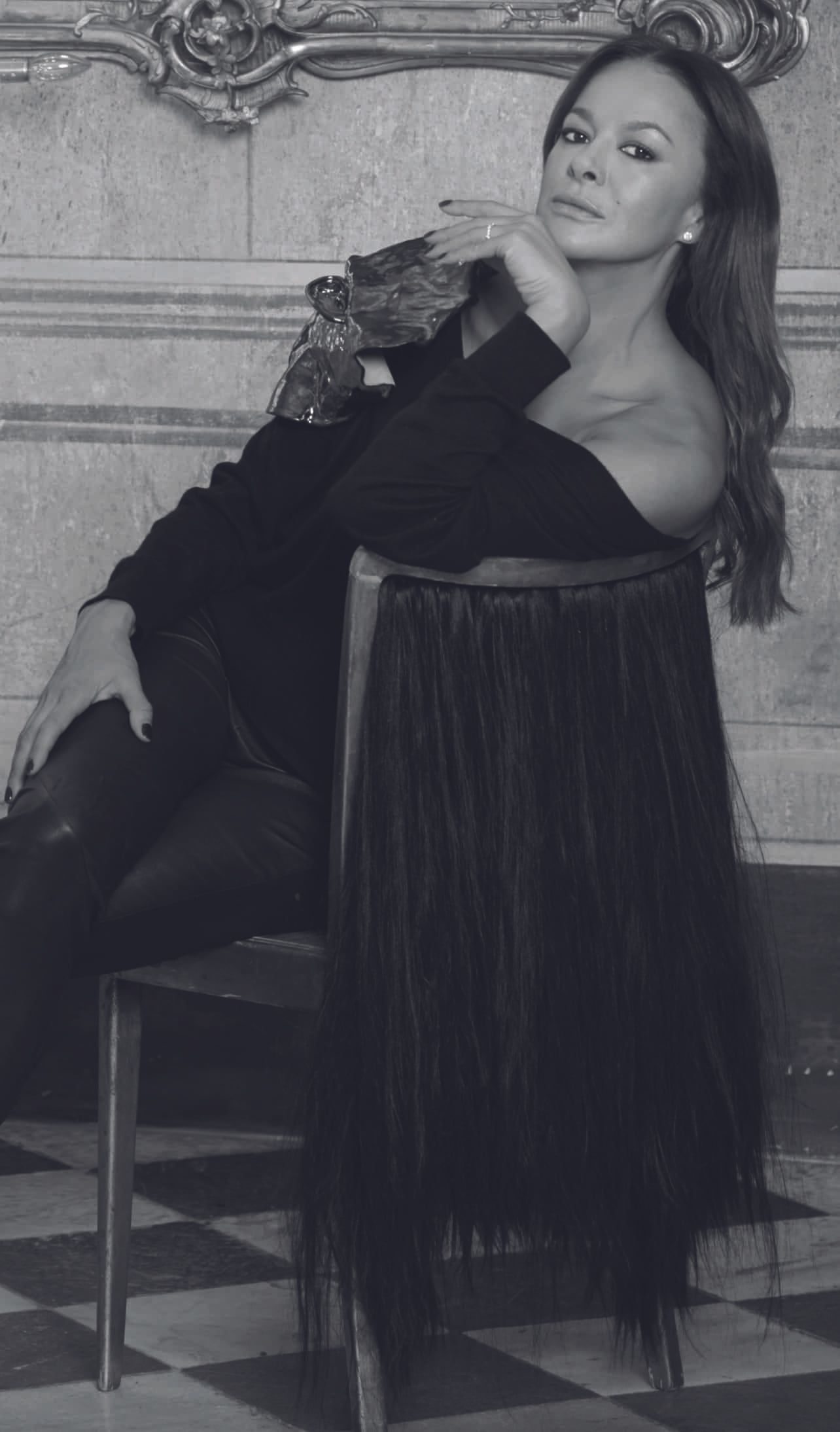
Magda von Hanau
Born 1978 | Barra Bonita, São Paulo, Brazil. Selected Collections & Recognition: Works held in international private collections; featured in Architectural Digest Italia, Elle Decor, Casa Vogue Brasil, Departures, and Robb Report.
Magda von Hanau is a multidisciplinary artist, curator, and cultural entrepreneur living and working between Miami, United States, and Meiselberg, Austria. A graduate of Miami International University of Art and Design, her practice spans drawing, photography, installation, sculpture, ceramics, and mixed media. Influenced by nature, feminism, memory, and transformation, von Hanau creates works that investigate identity, beauty, impermanence, and the emotional dimensions of human experience. Her projects frequently combine personal narrative with broader cultural and historical references, creating spaces for reflection and dialogue. Alongside her artistic practice, she is the founder of Salon Meiselberg, a platform dedicated to fostering connections between artists, collectors, institutions, and the public through exhibitions, cultural programs, and international collaborations. Her work has been exhibited internationally and featured in galleries, fairs, and publications, establishing her as an active voice within contemporary art and cultural exchange.
Werner Kuntschik
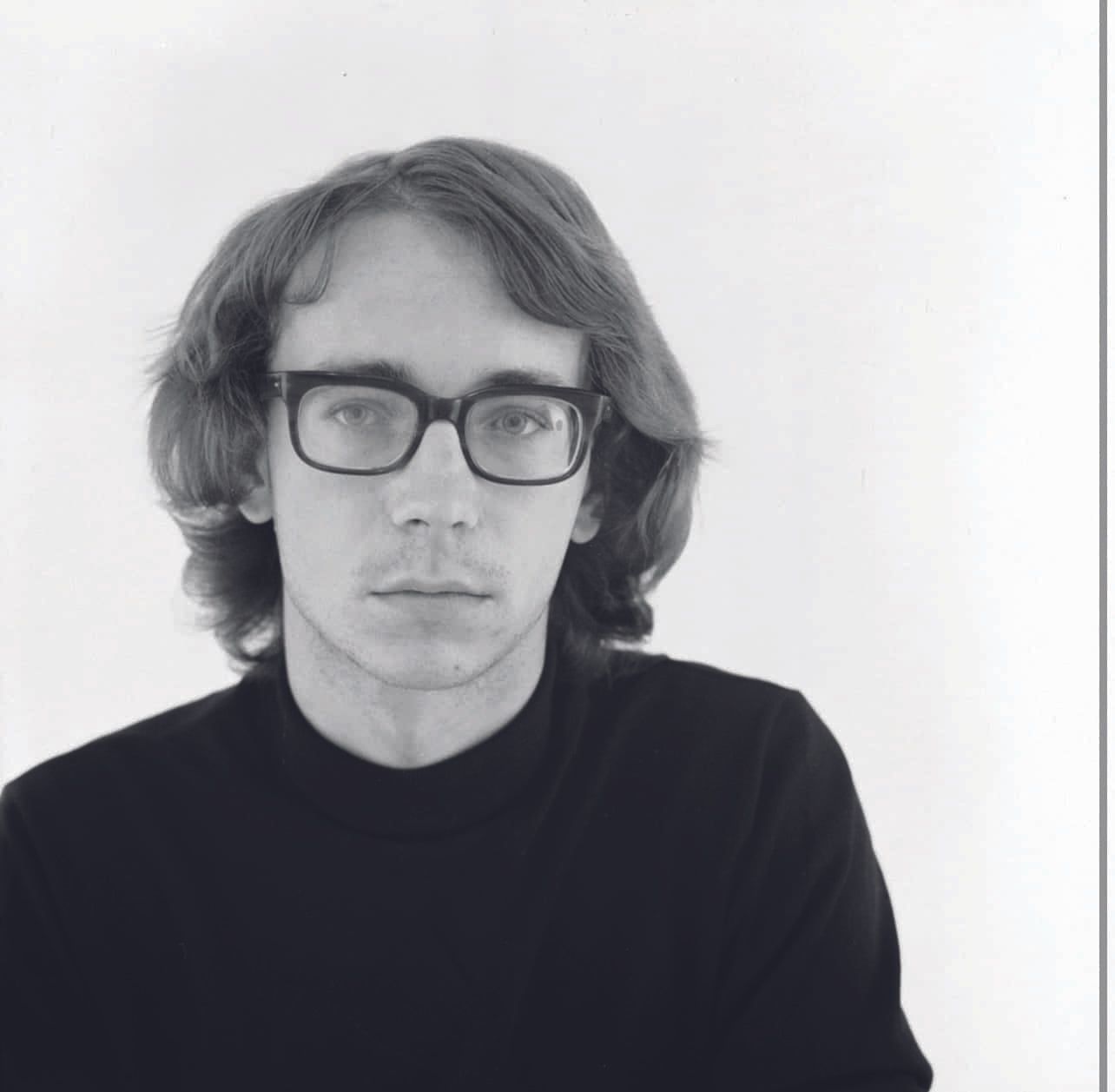
Werner Kuntschik
1944 – 1972 | Austria. Selected Collections: Wien Museum (associated holdings and archives); related archival material represented in Austrian institutional collections.
Werner Kuntschik was an Austrian artist whose concentrated body of work was created during a brief but intensely productive period before his early death in 1972. Influenced by Surrealism, existential figuration, and psychological inquiry, he developed a distinctive visual language marked by emotional intensity, imagination, and expressive distortion. After spending time working in architectural off ices in Zambia and South Africa during the 1960s, he returned to Vienna, where he produced paintings and drawings exploring alienation, vulnerability, and the human condition. Although his career was cut short, Kuntschik remains a singular voice within Austrian postwar art. His work continues to be appreciated for its emotional depth, psychological complexity, and contribution to the broader narrative of Austrian figurative painting.
Heidi Harsieber
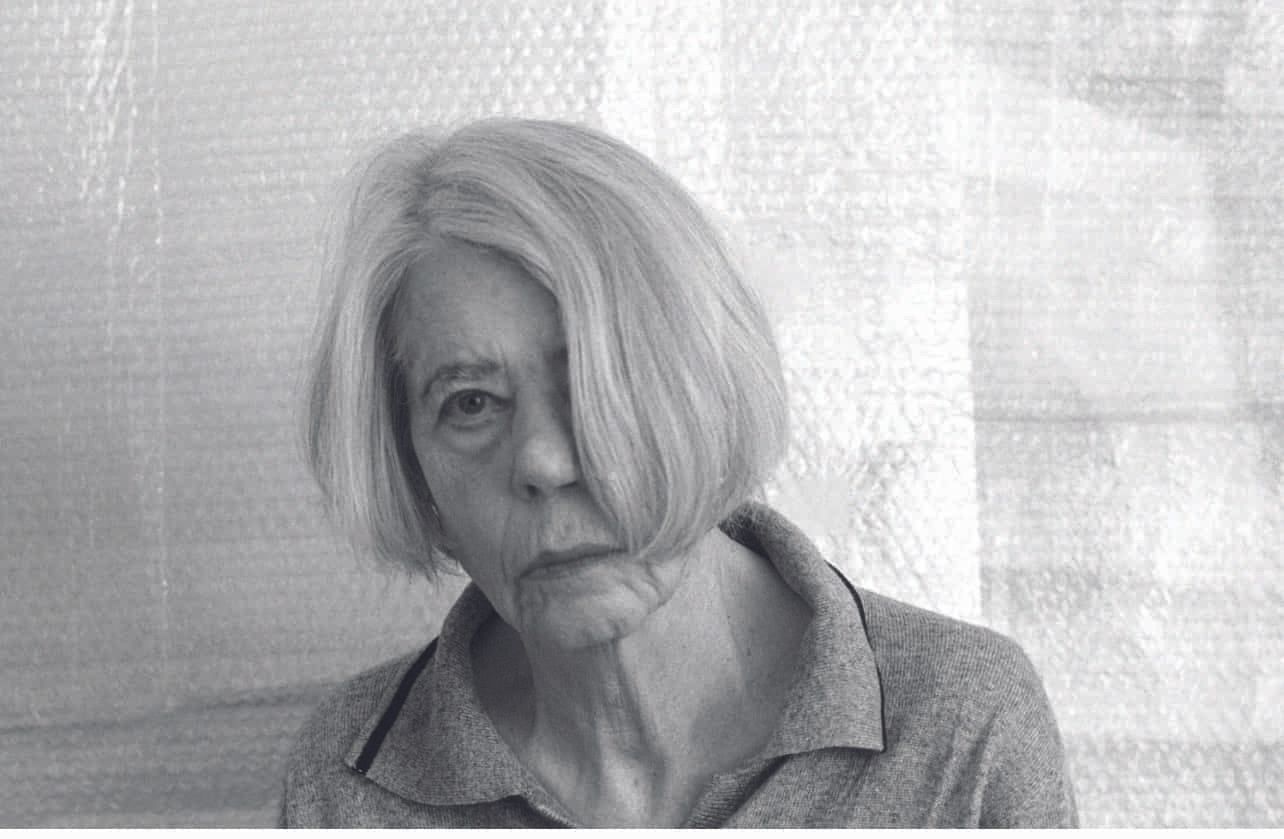
Heidi Harsieber
Born 1948 | Gloggnitz, Austria. Selected Collections: Albertina; Wien Museum; Österreichische Galerie Belvedere; Federal Photography Collection; Francisco Carolinum; MUSA Collection.
Heidi Harsieber is an Austrian photographer and artist regarded as one of the most influential Austrian photographers of recent decades and a signif icant f igure within the Austrian feminist avant-garde. Since the 1960s, she has developed a distinctive photographic language encompassing portraiture, documentary practice, identity, gender, memory, aging, and social transformation. Her psychologically nuanced images often focus on artists, cultural figures, and personal histories that reflect broader social and emotional narratives. Harsieber studied photography in Vienna and has exhibited extensively throughout Austria. Her work is represented in major public collections including the Albertina, Wien Museum, Österreichische Galerie Belvedere, the Federal Photography Collection, and Francisco Carolinum. Through her sustained exploration of memory, the body, and human experience, Harsieber has made a lasting contribution to contemporary Austrian photography and continues to influence younger generations of artists.
Perhaps every utopia begins with a „You.“ The title of this exhibition connects two ideas: the „You“ and „Utopia.“ The ideal place becomes a personal address. Utopia does not appear as a distant promise but as a possibility that originates within the person. Youtopia brings together artistic positions that engage with questions of the body, identity, memory, and perception. At the center stands the human being — as bearer of experience, history, and imagination. With Nathalie Edenburg, Sissi Farassat, Gelatin, Heidi Harsieber, Werner Kuntschik, Hans Kupelwieser, Constantin Luser, and Magda von Hanau, different generations, media, and artistic approaches meet. Sculpture, photography, drawing, ceramics, and installation enter into a multi-layered dialogue about reality and imagination, about self-image and the image of the Other. This dialogue gains a special resonance in the Salon Meiselberg of the Baroque palace of the Hanau-Schaumburg family. → MORE
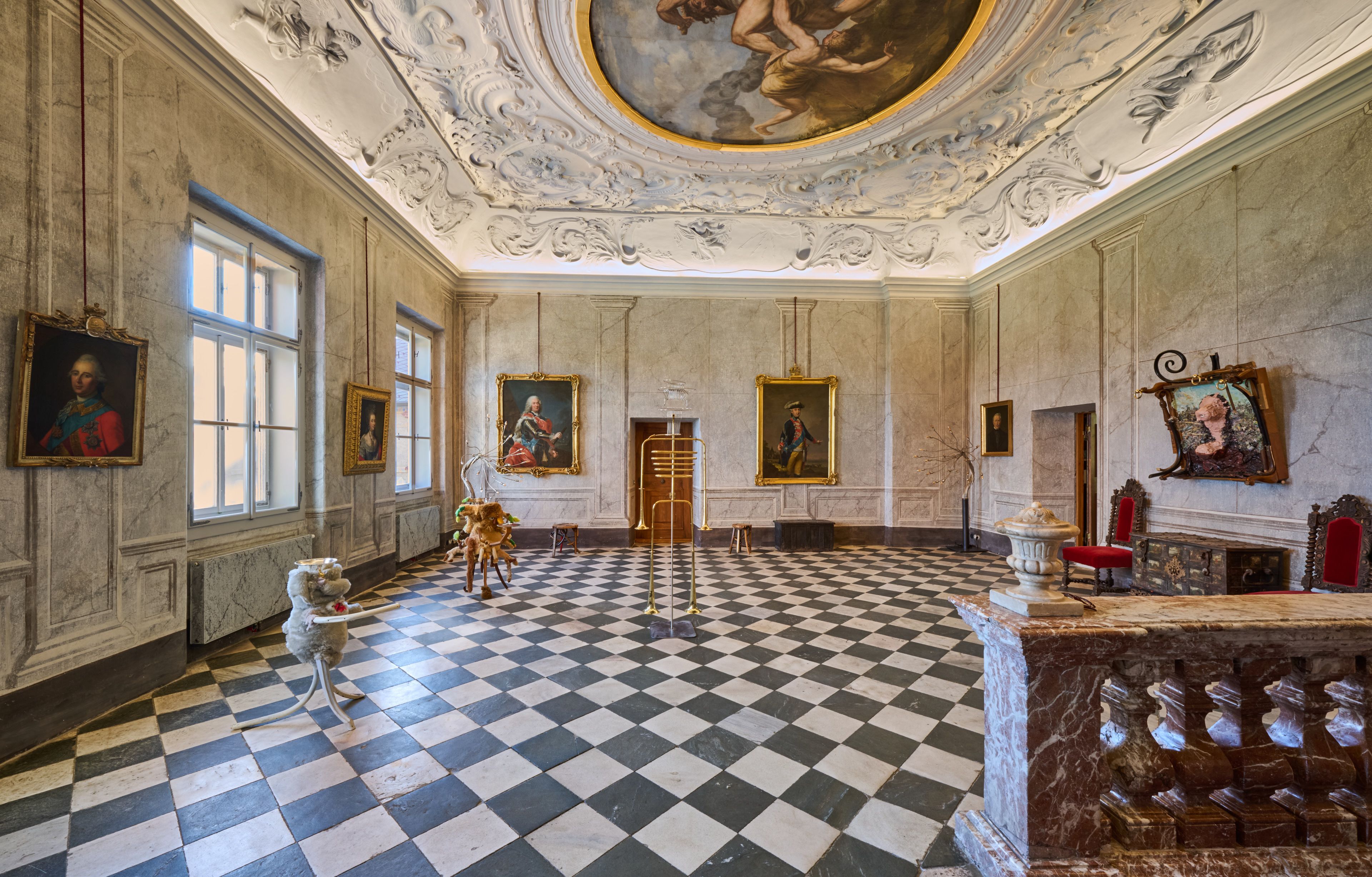
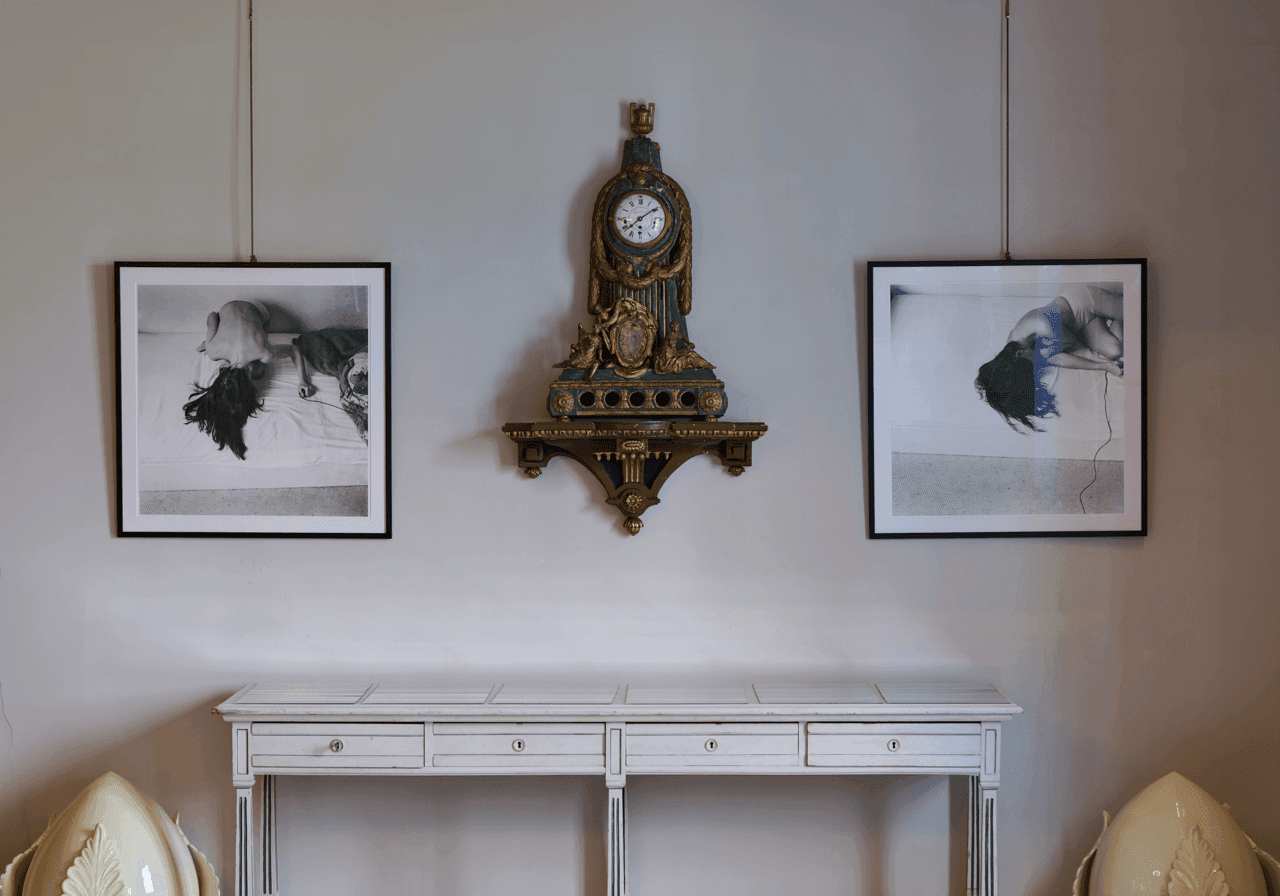
Great Hall of Salon Meiselberg 2026 exhibition
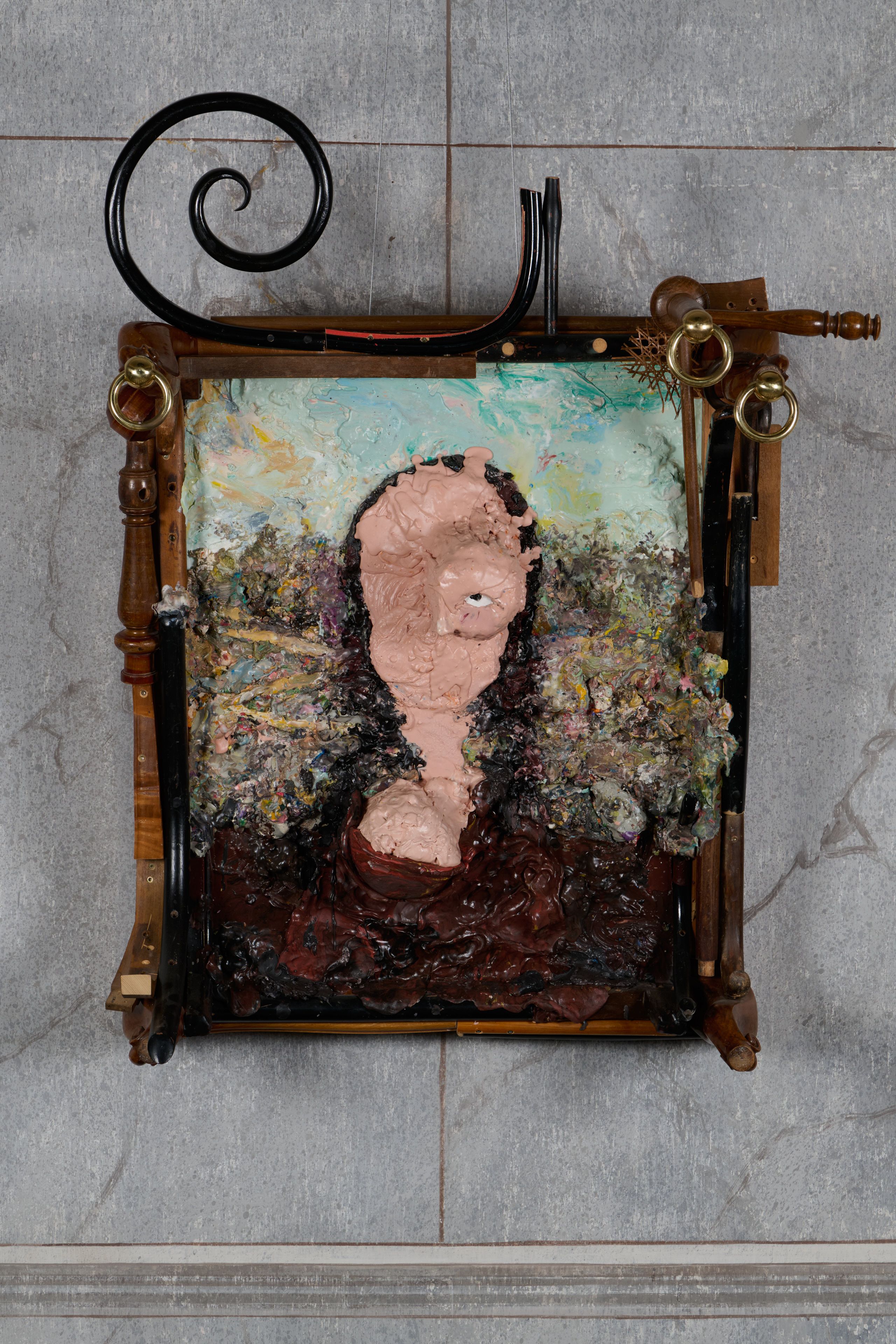
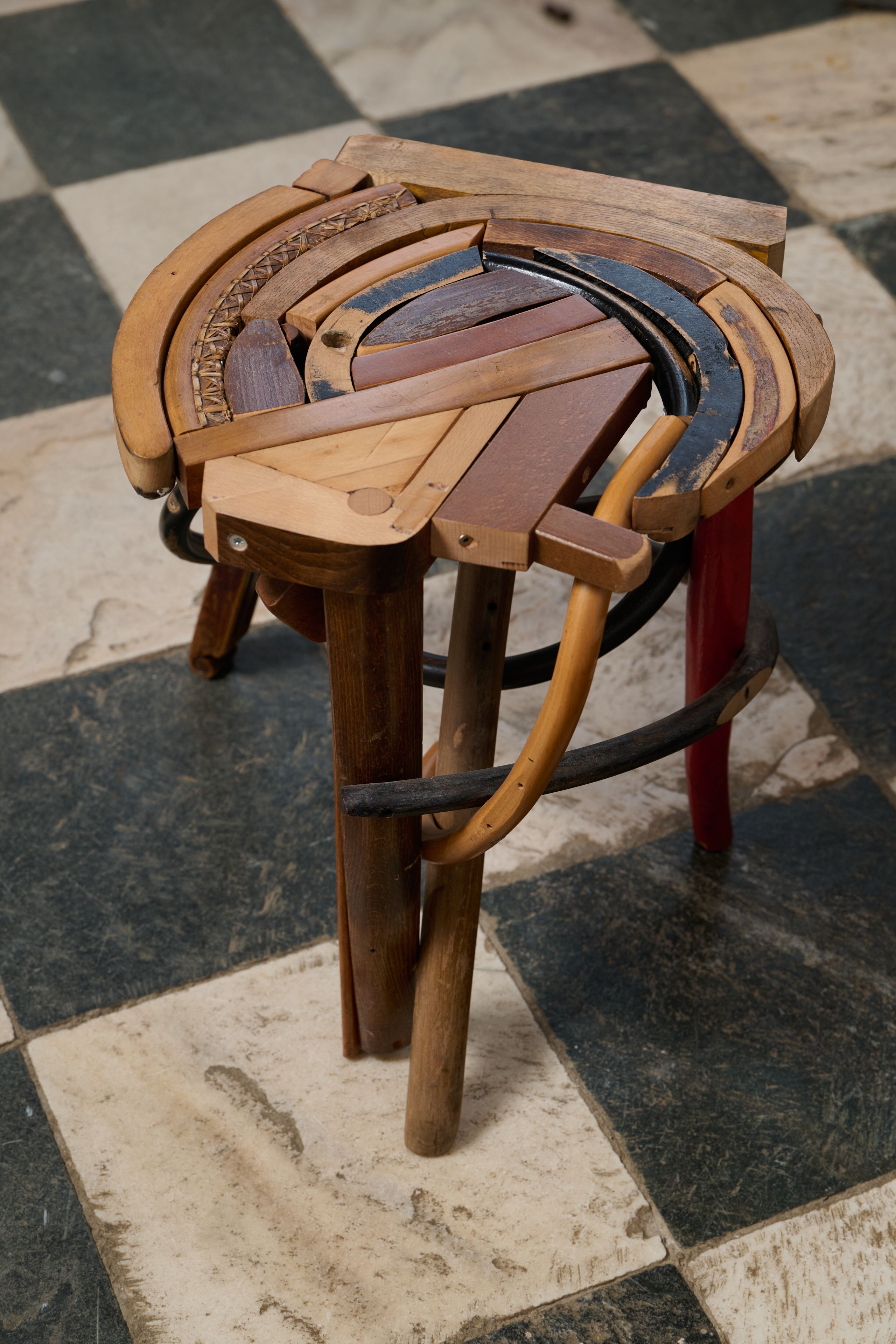
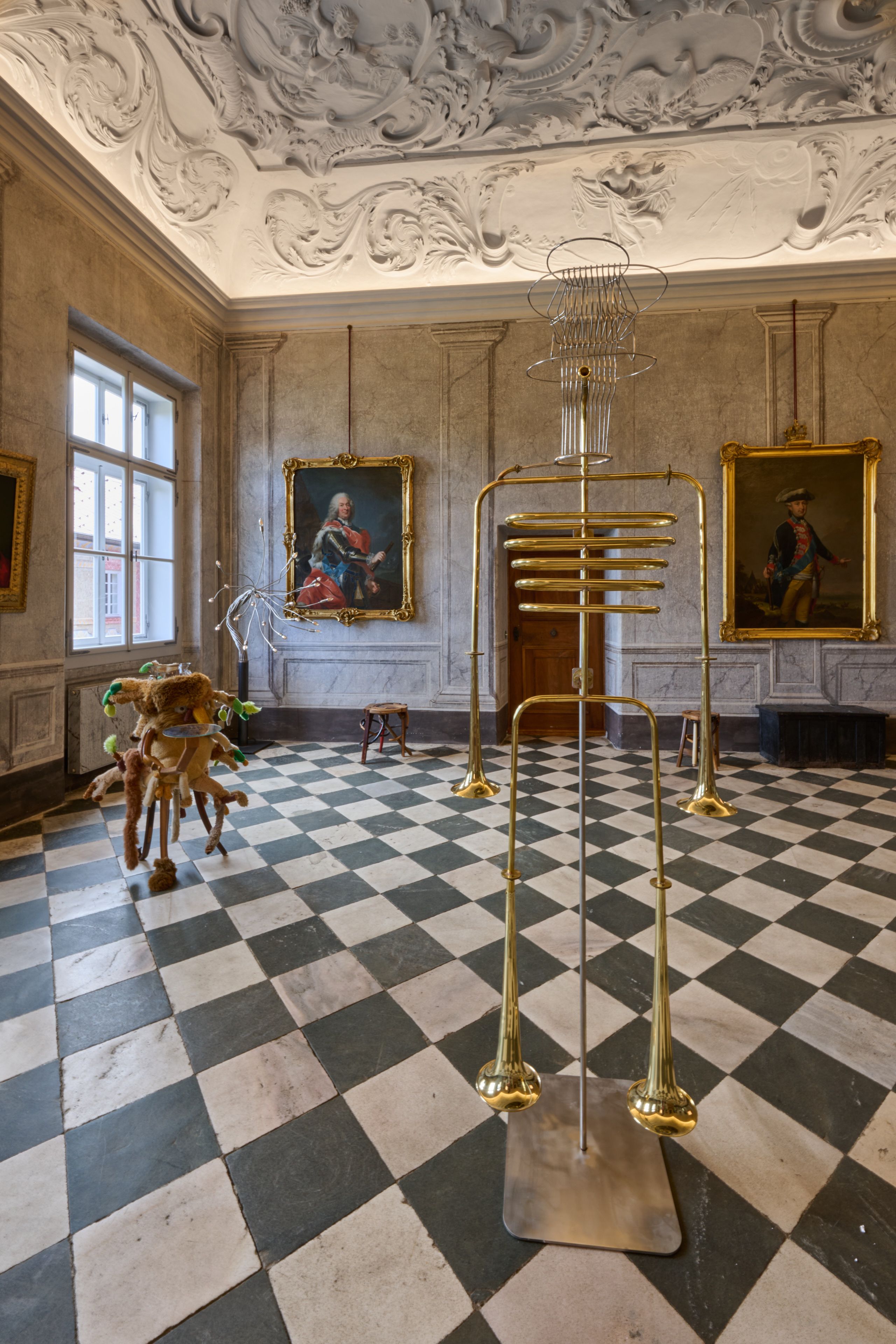
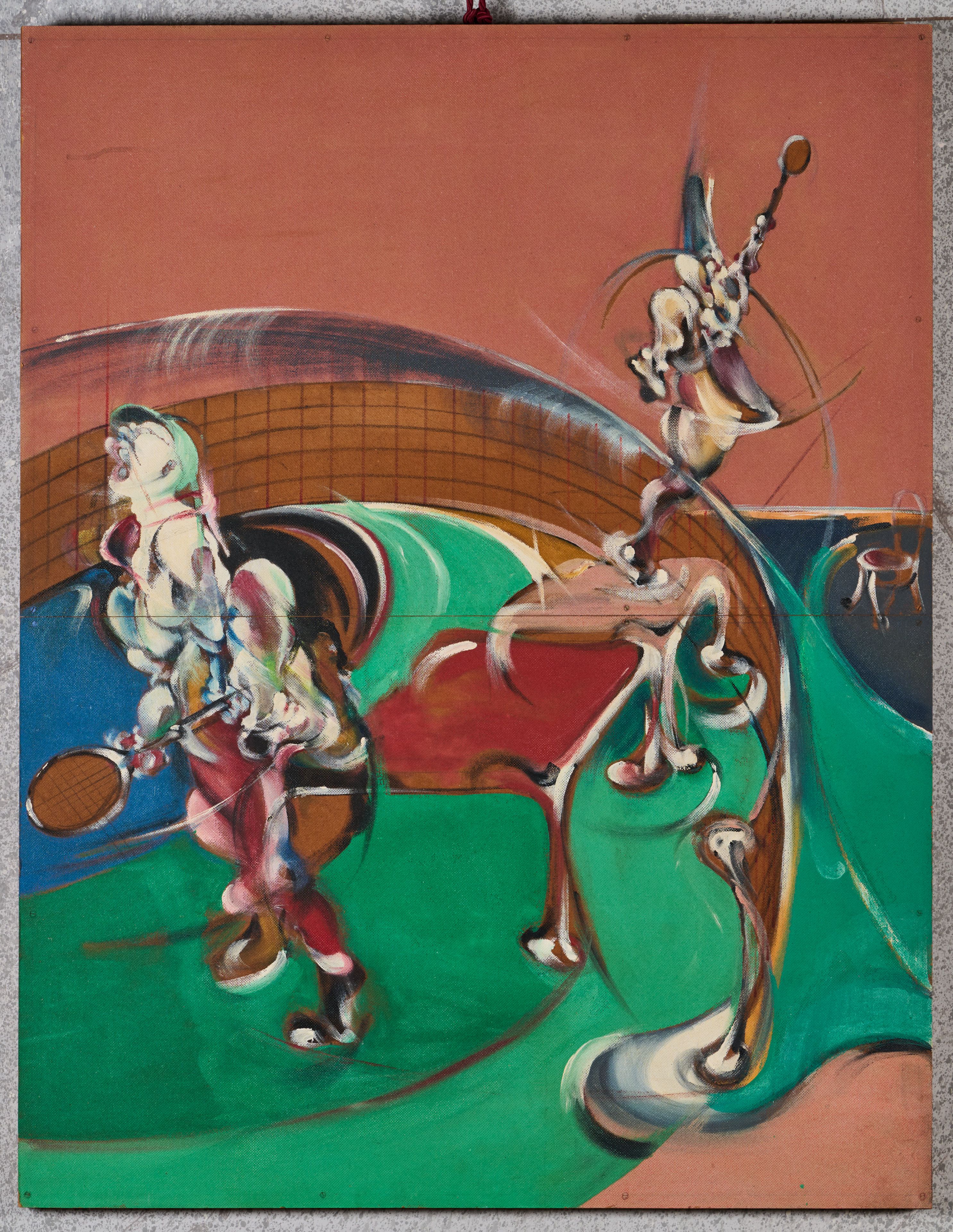
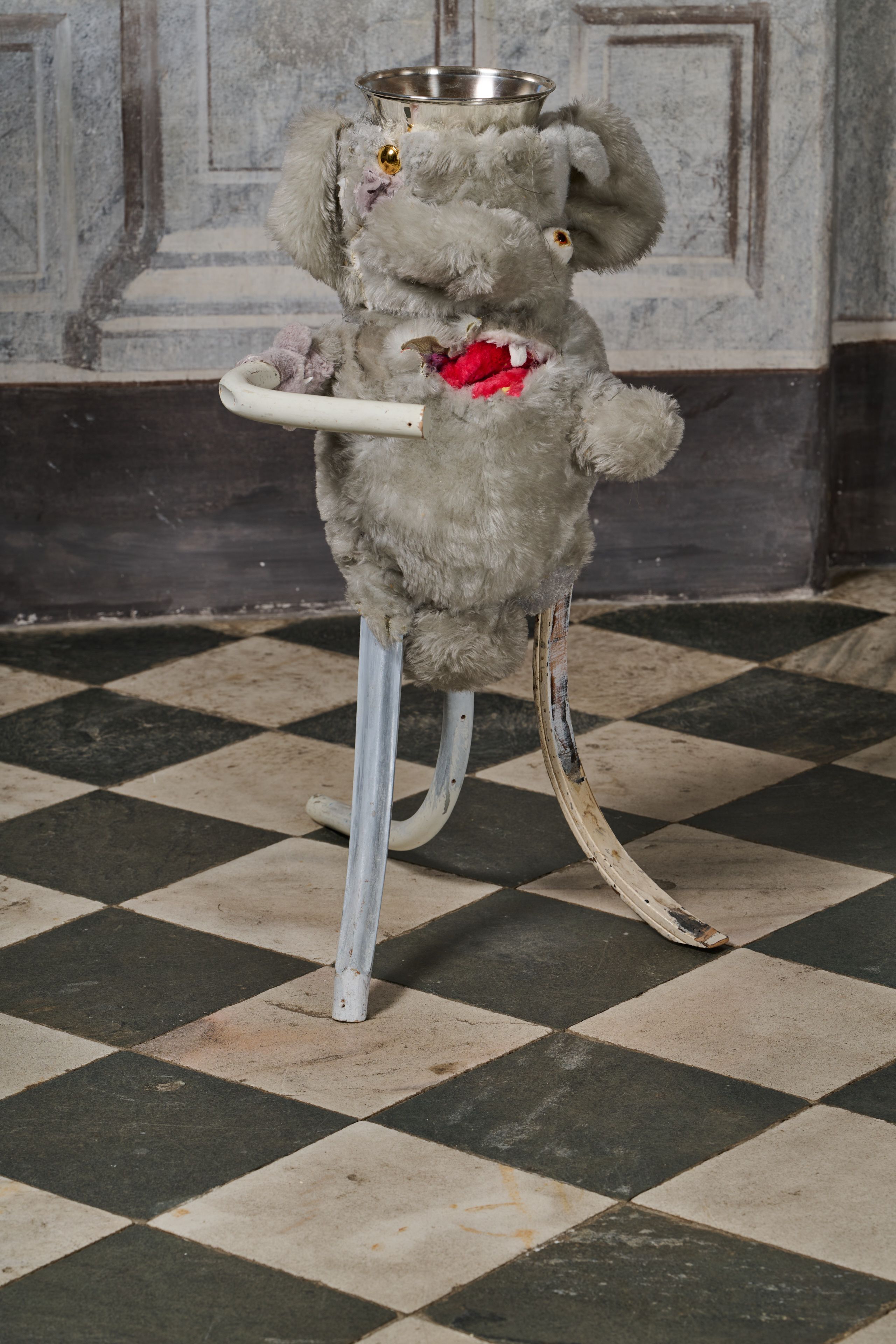
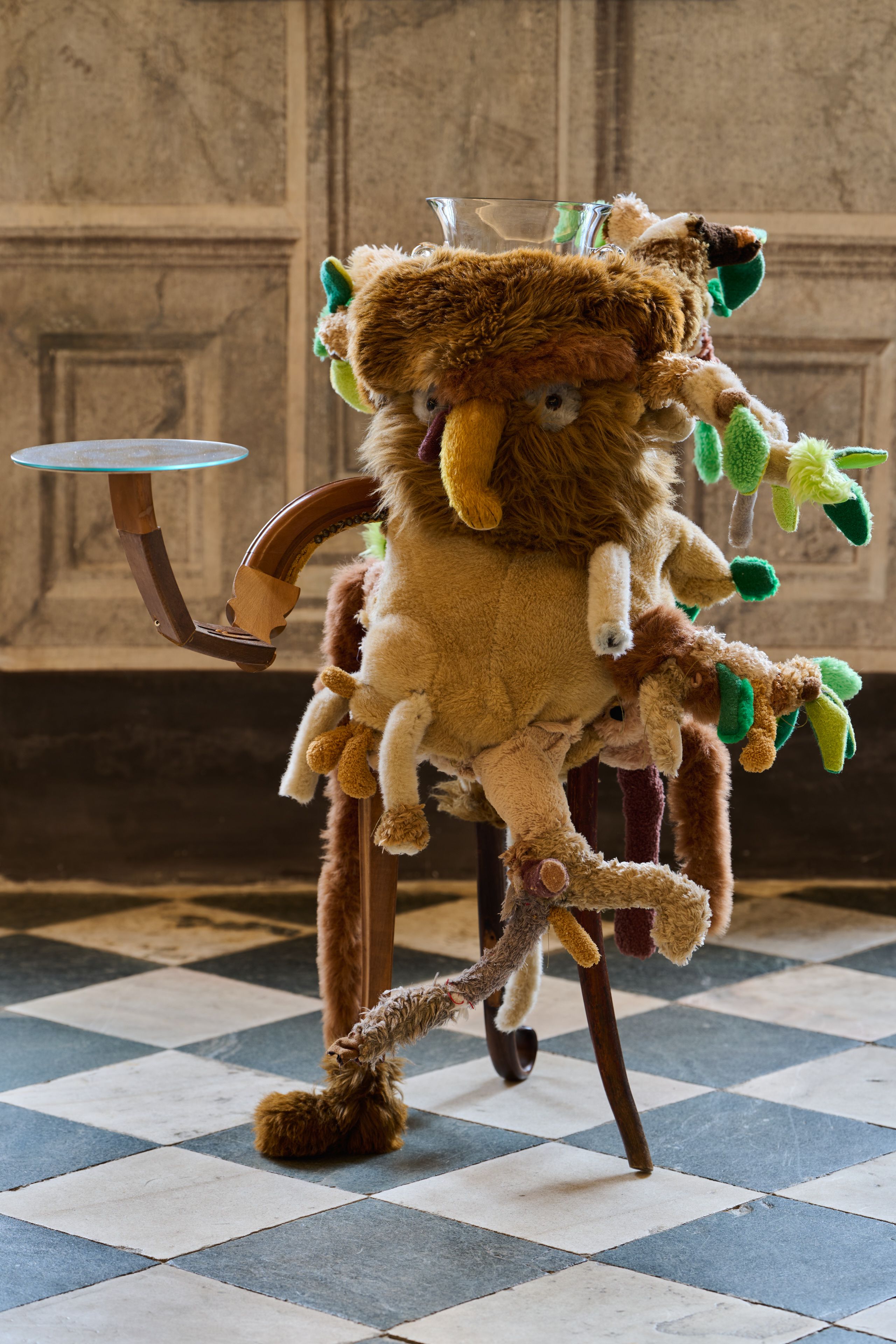
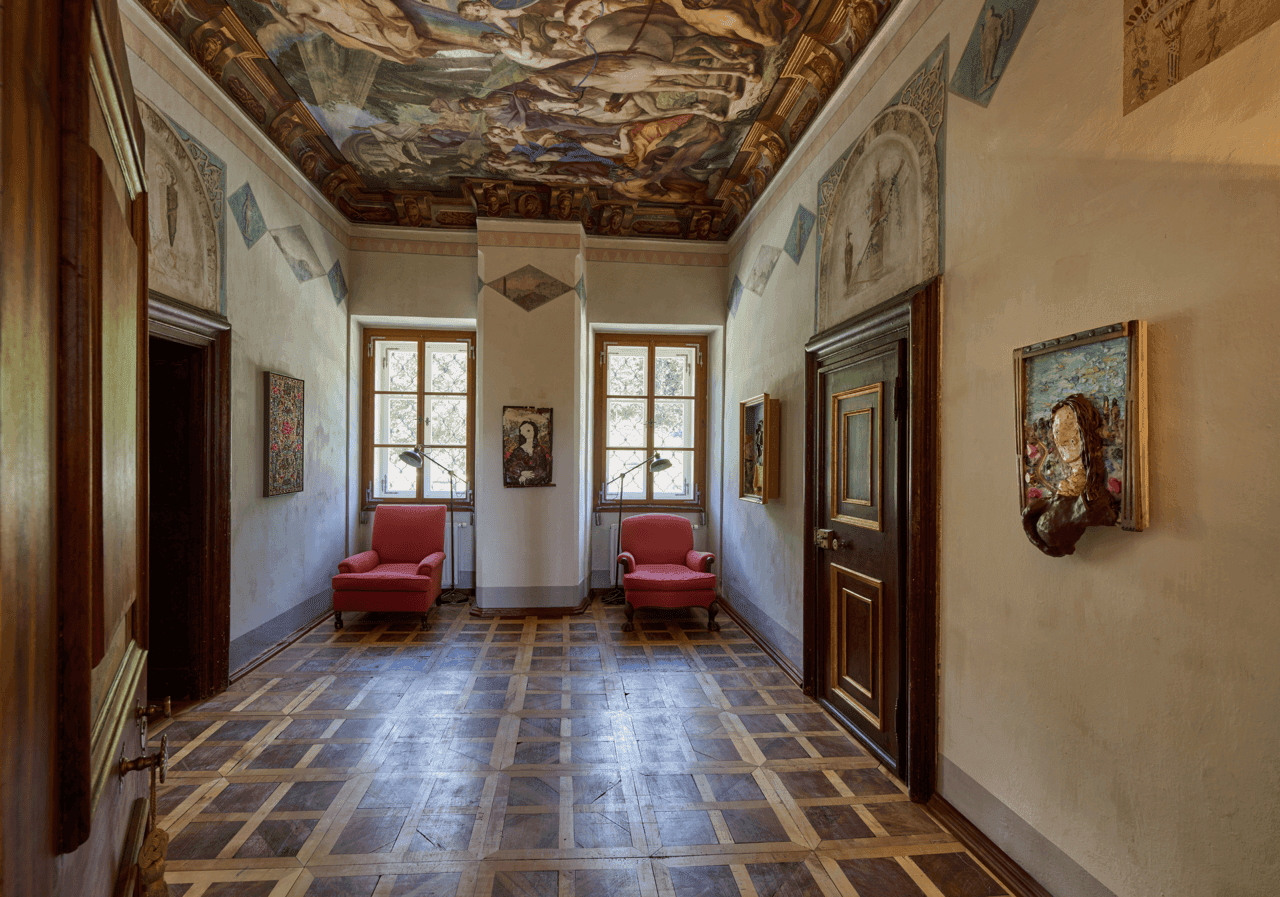
Affresco Room 2026 exhibition
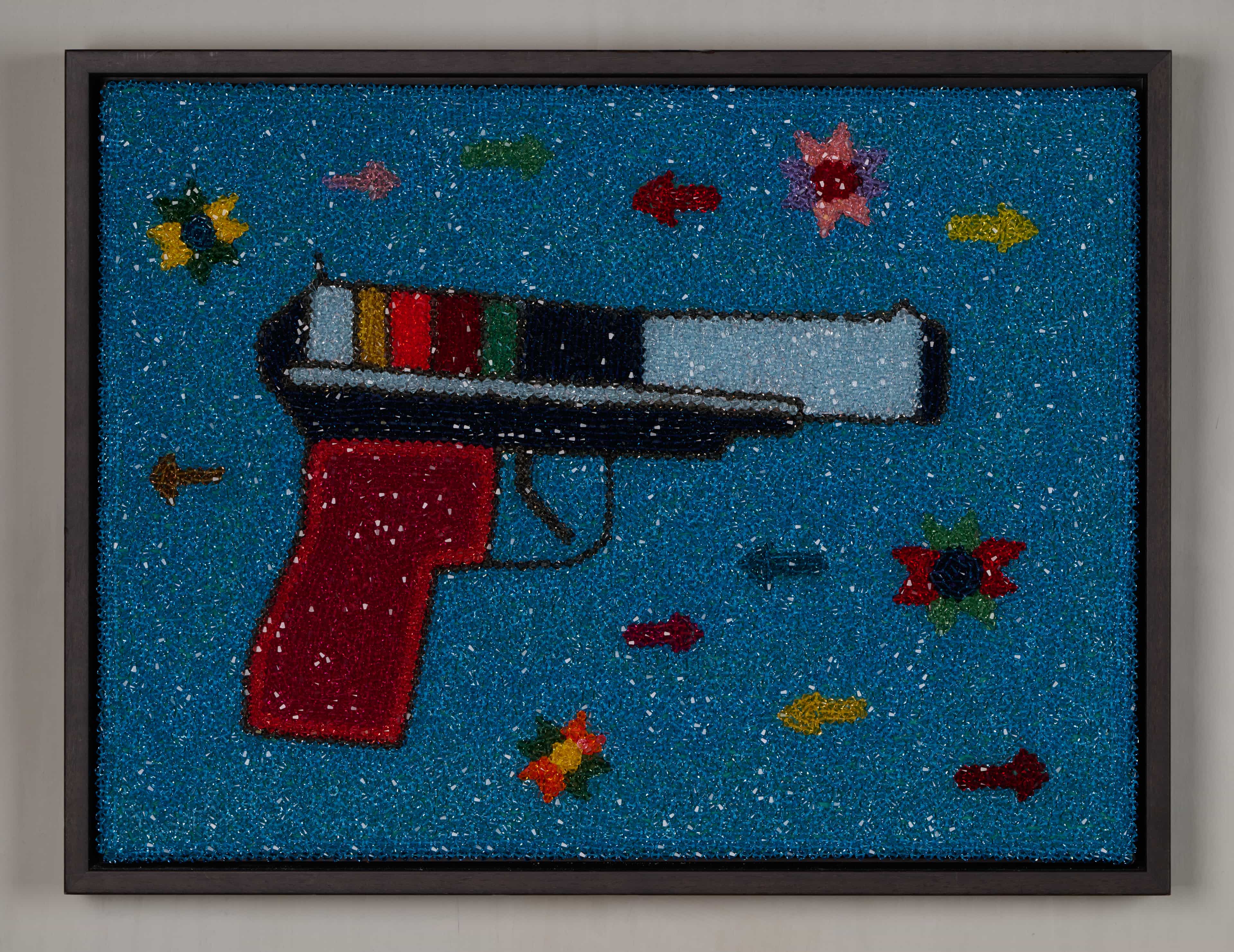
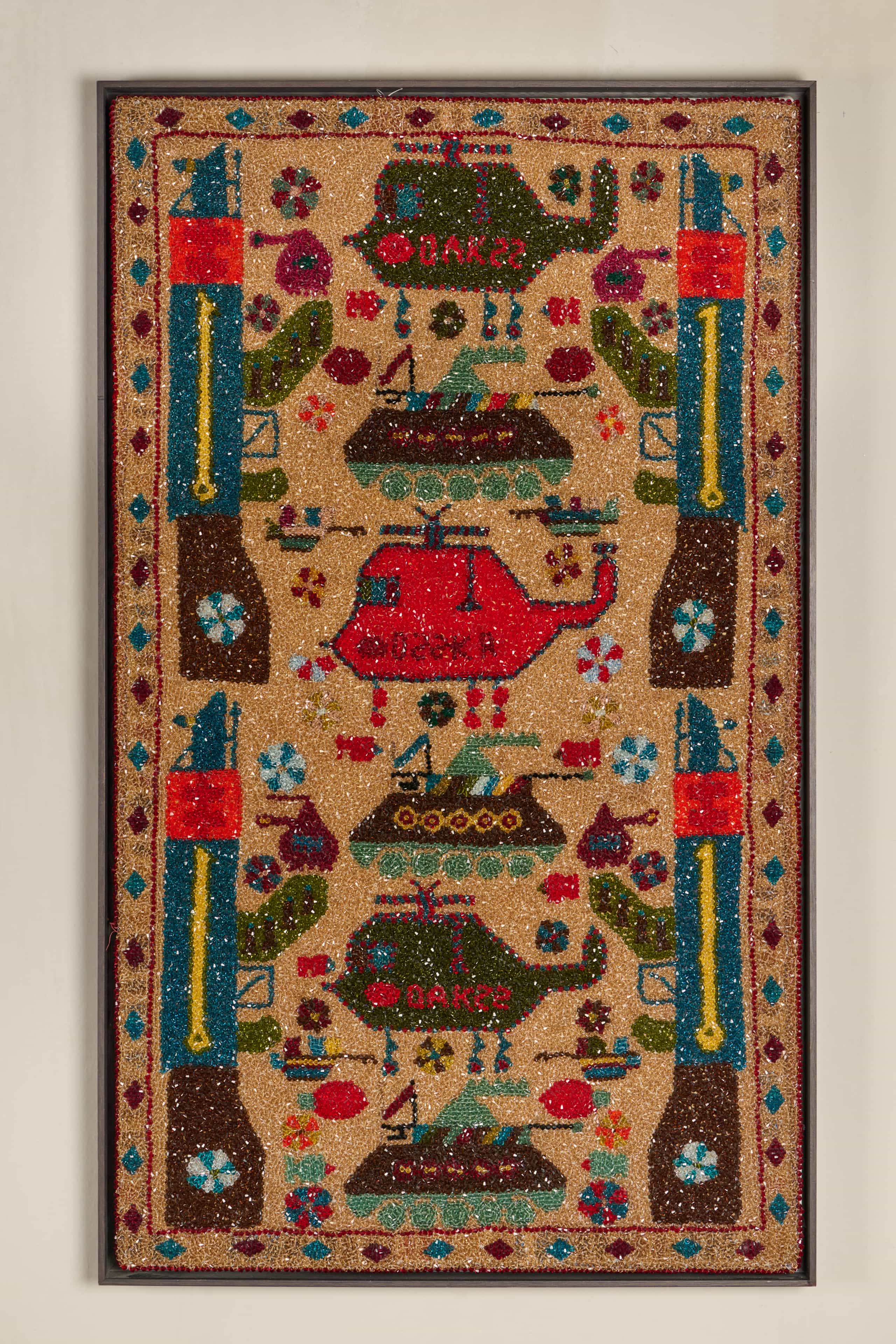
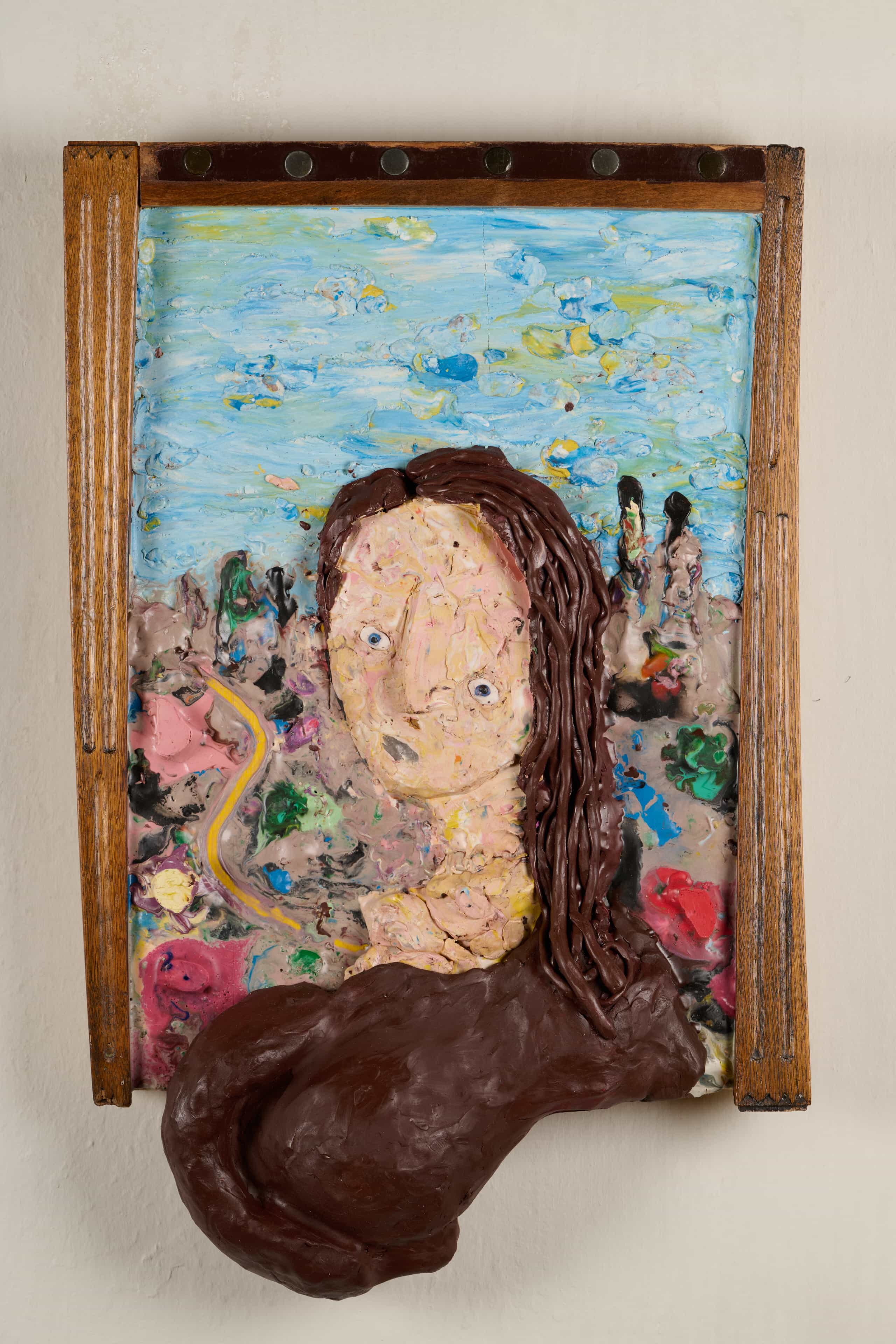
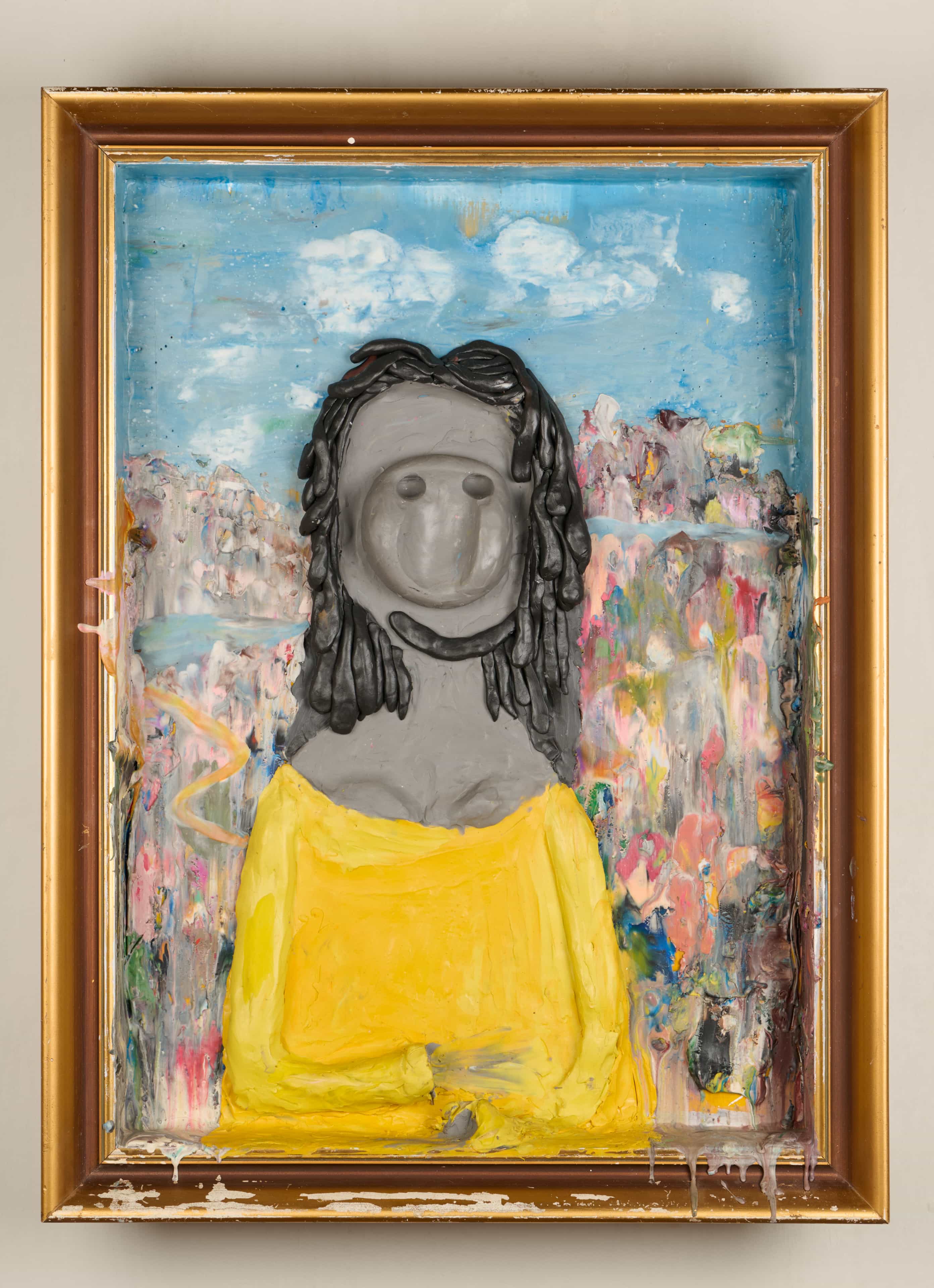
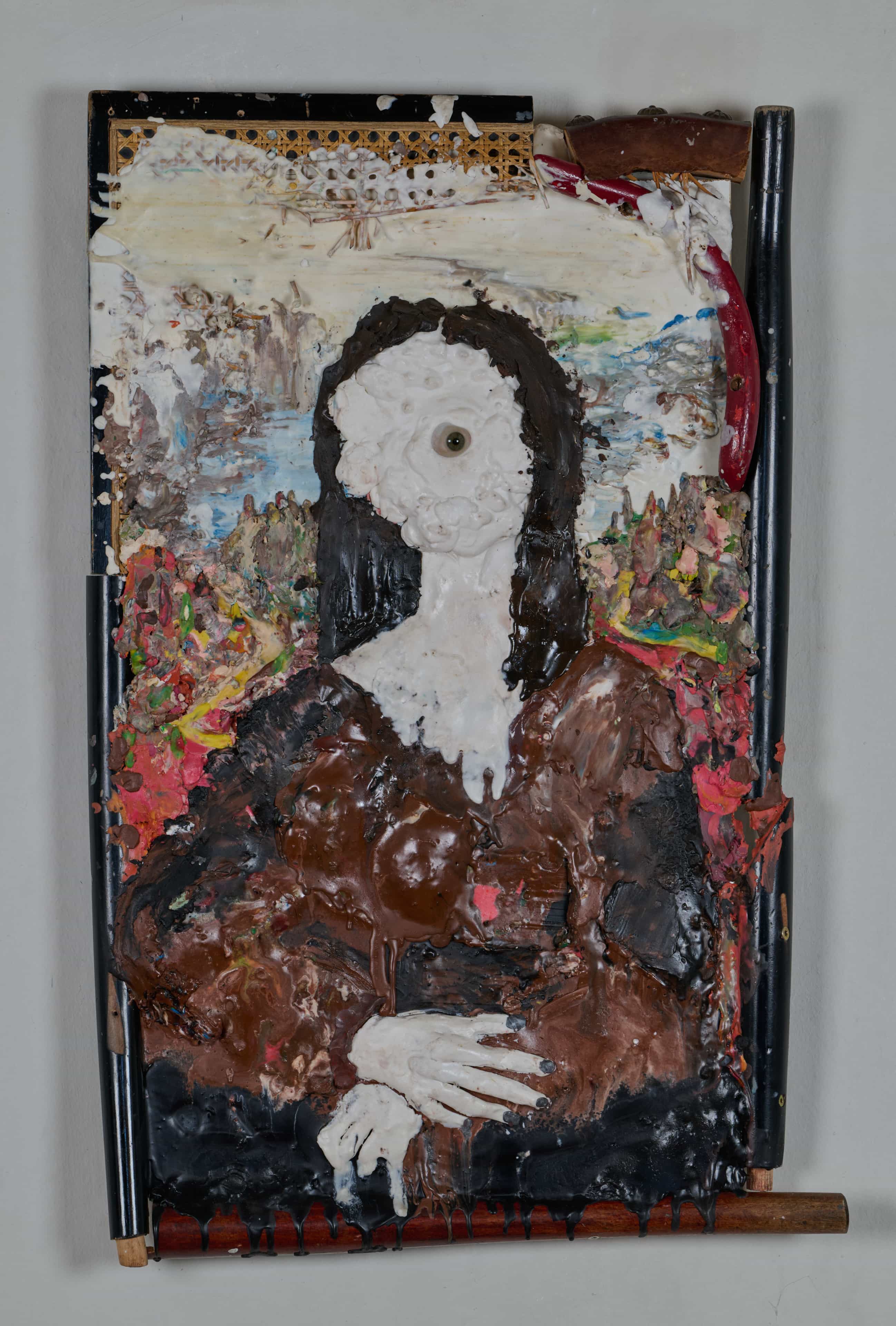
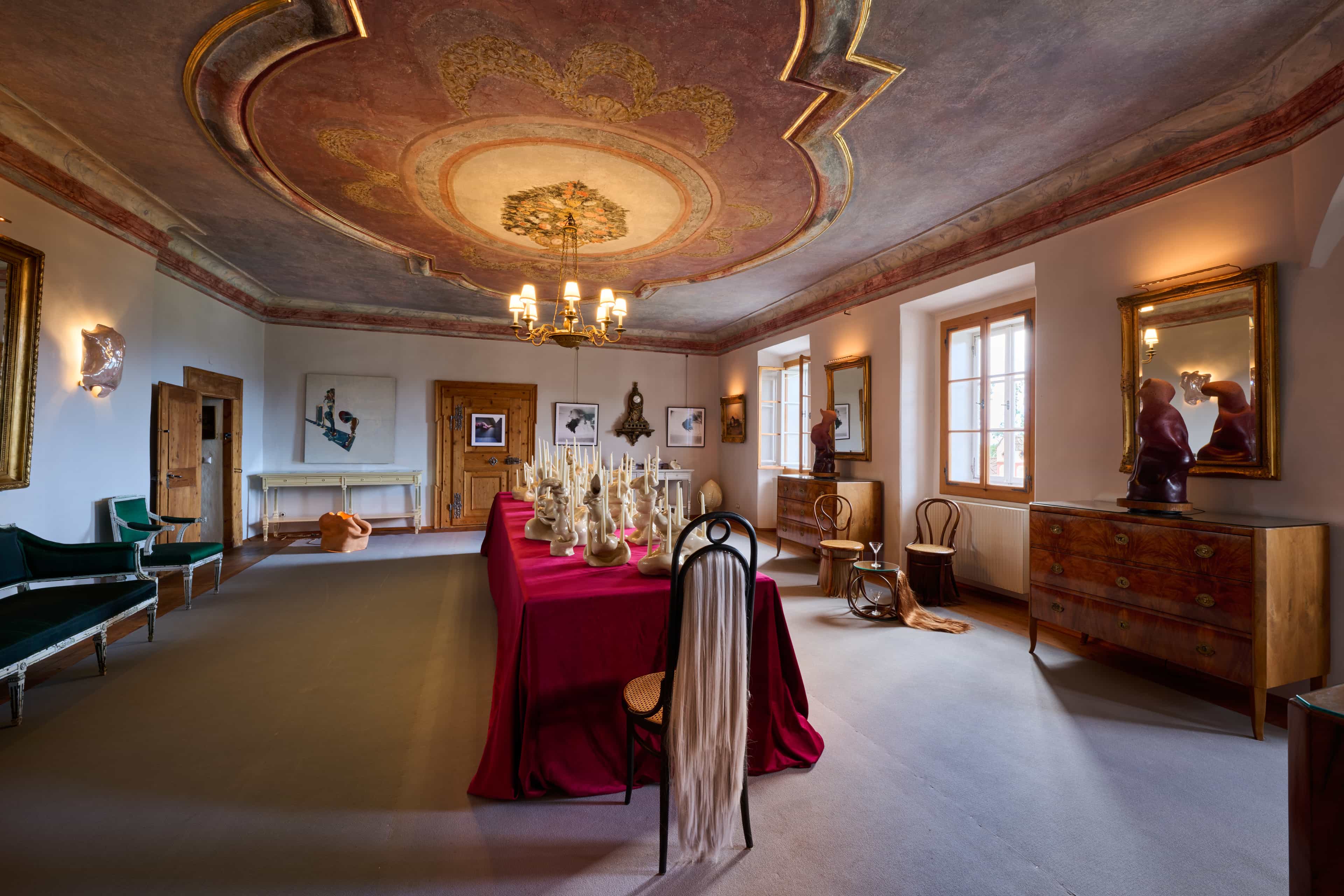
Dining Room 2026 exhibition
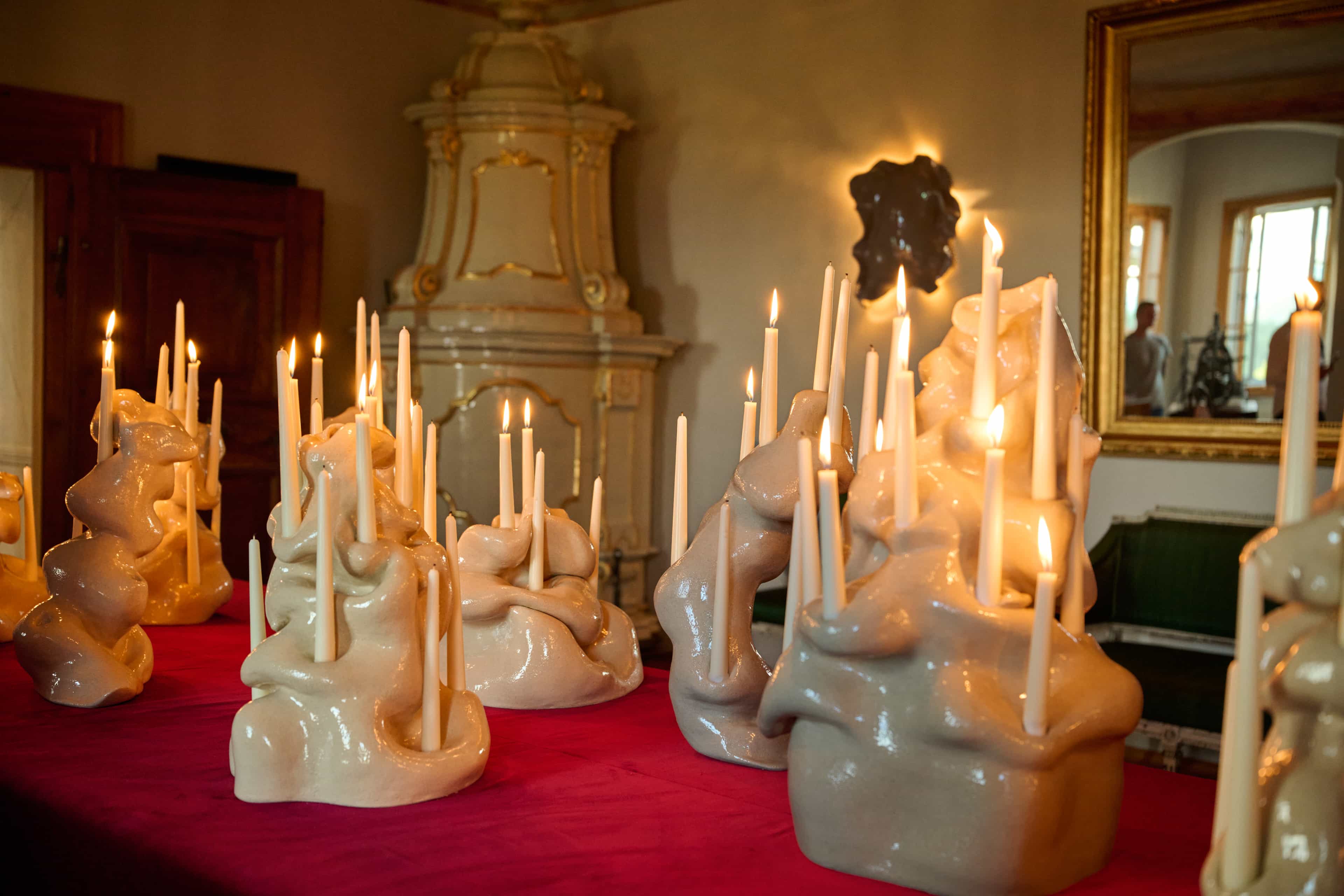
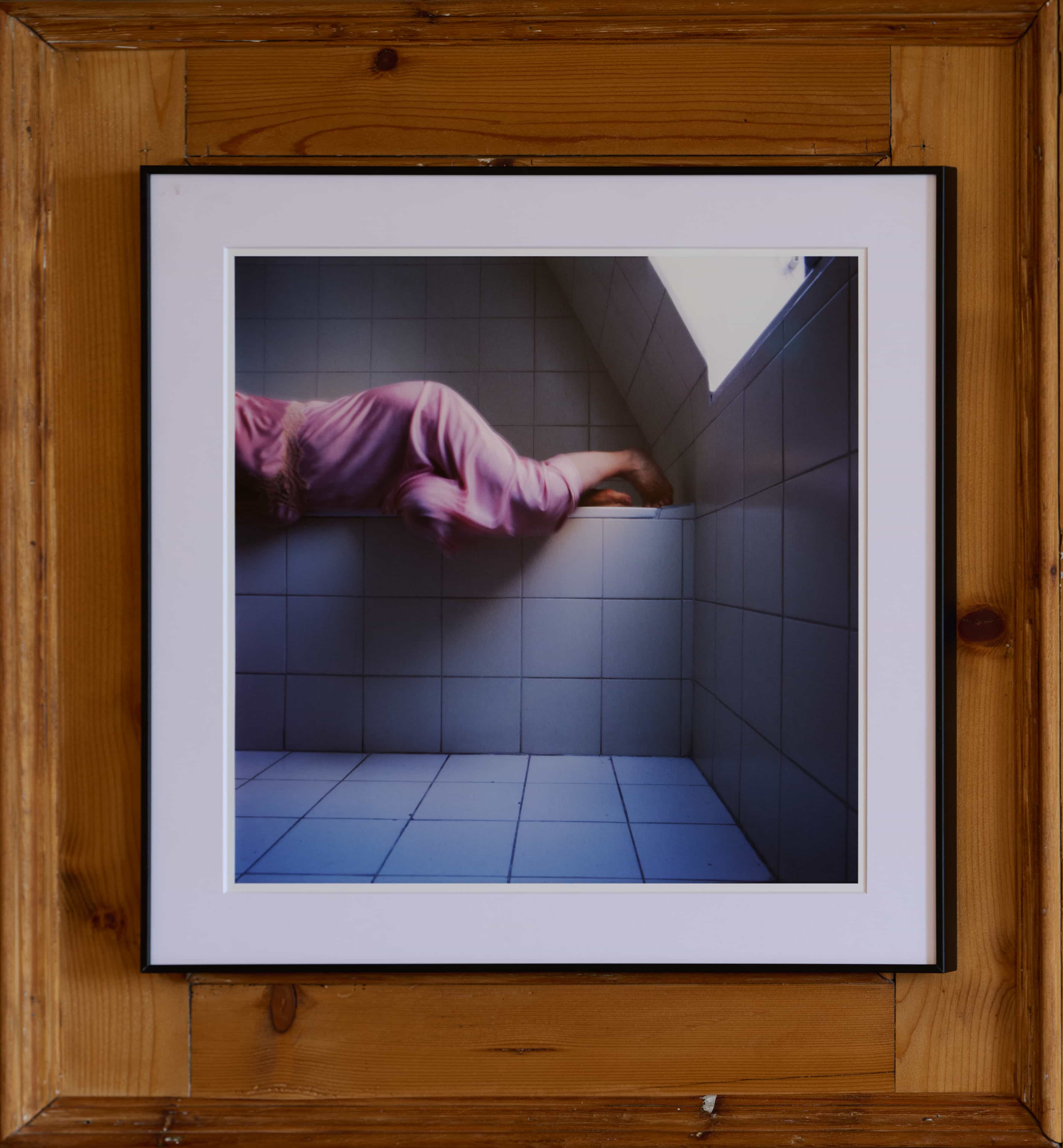
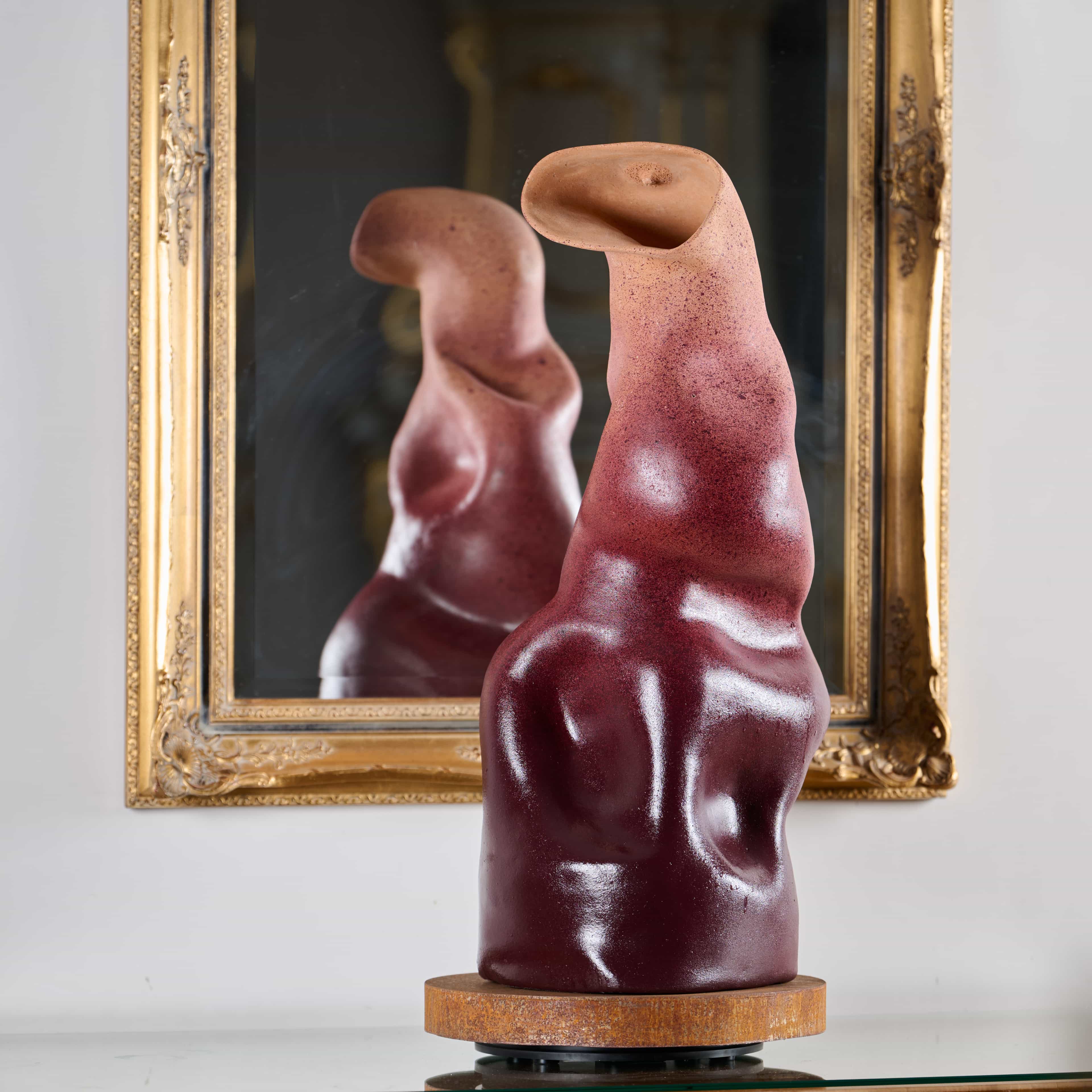
Magda von Hanau, The Dancers, 2025, Clay, acrylic paint, electric turning table, iron plate & sound system, Set of 2: 80 x 40 x 40 cm
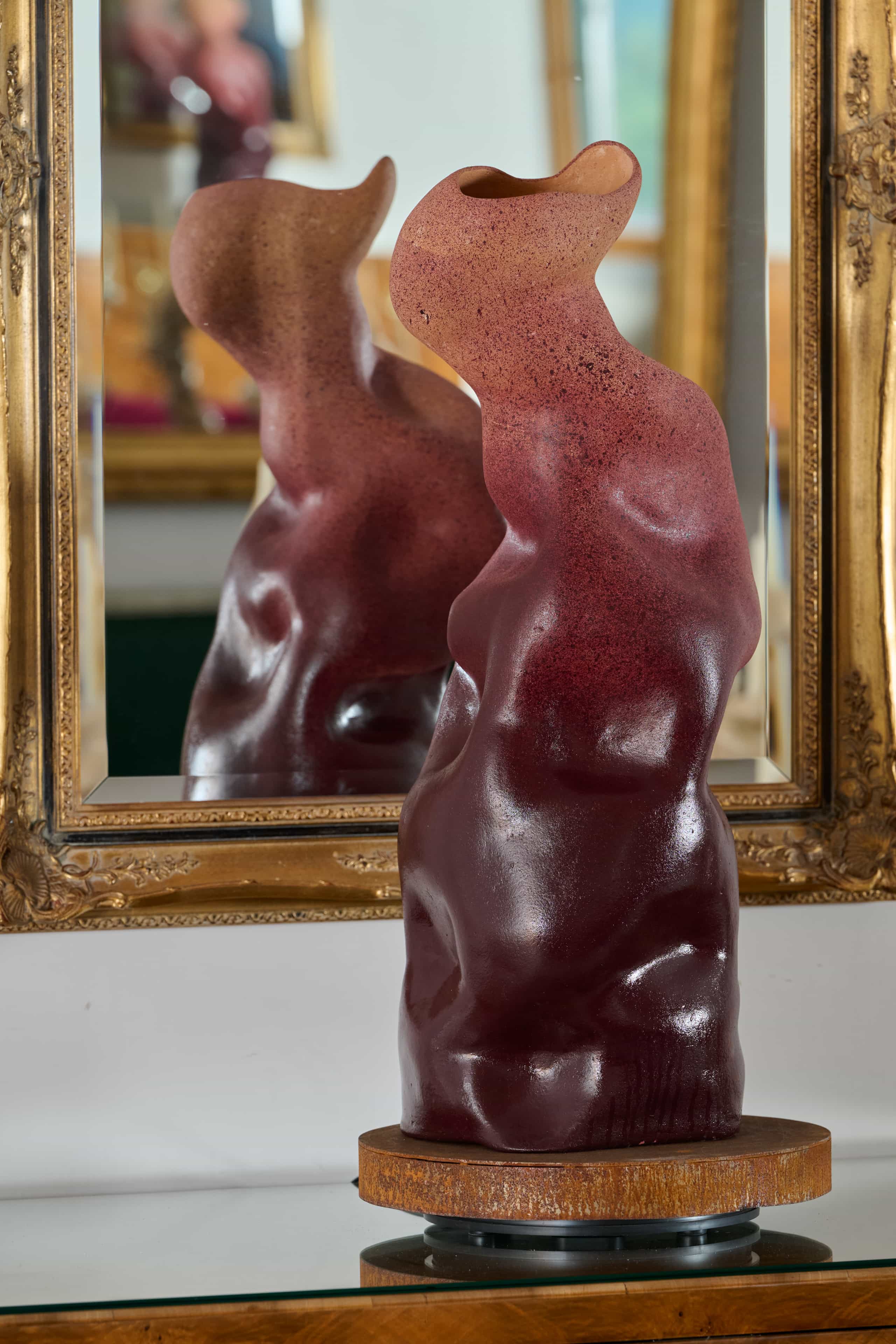
Magda von Hanau, The Dancers, 2025, Clay, acrylic paint, electric turning table, iron plate & sound system, Set of 2: 80 x 40 x 40 cm
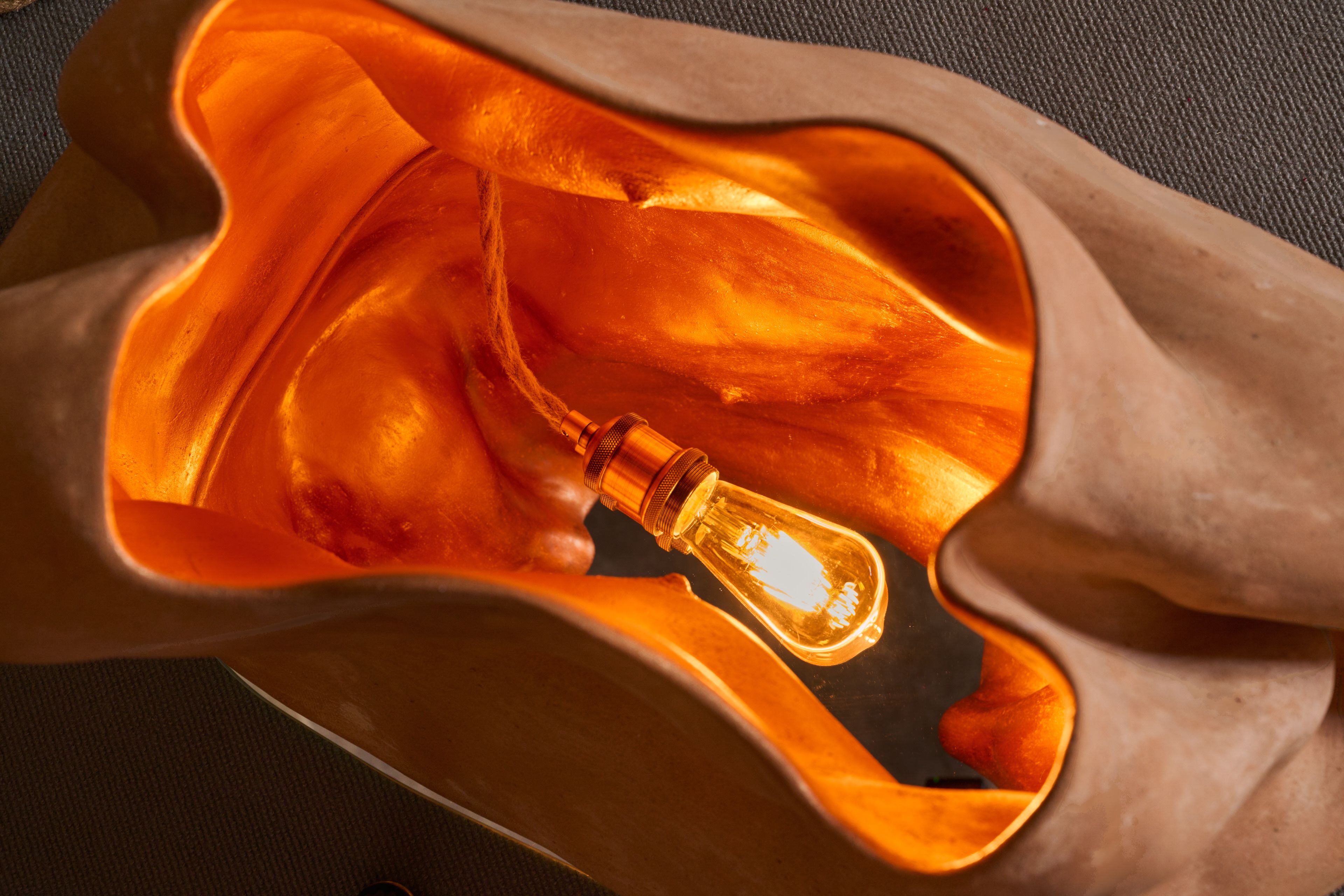
Magda von Hanau, The Lovers, 2026, Clay, acrylic paint, mirror, lamp and cannabis cord, 50 x 75 x 42 cm
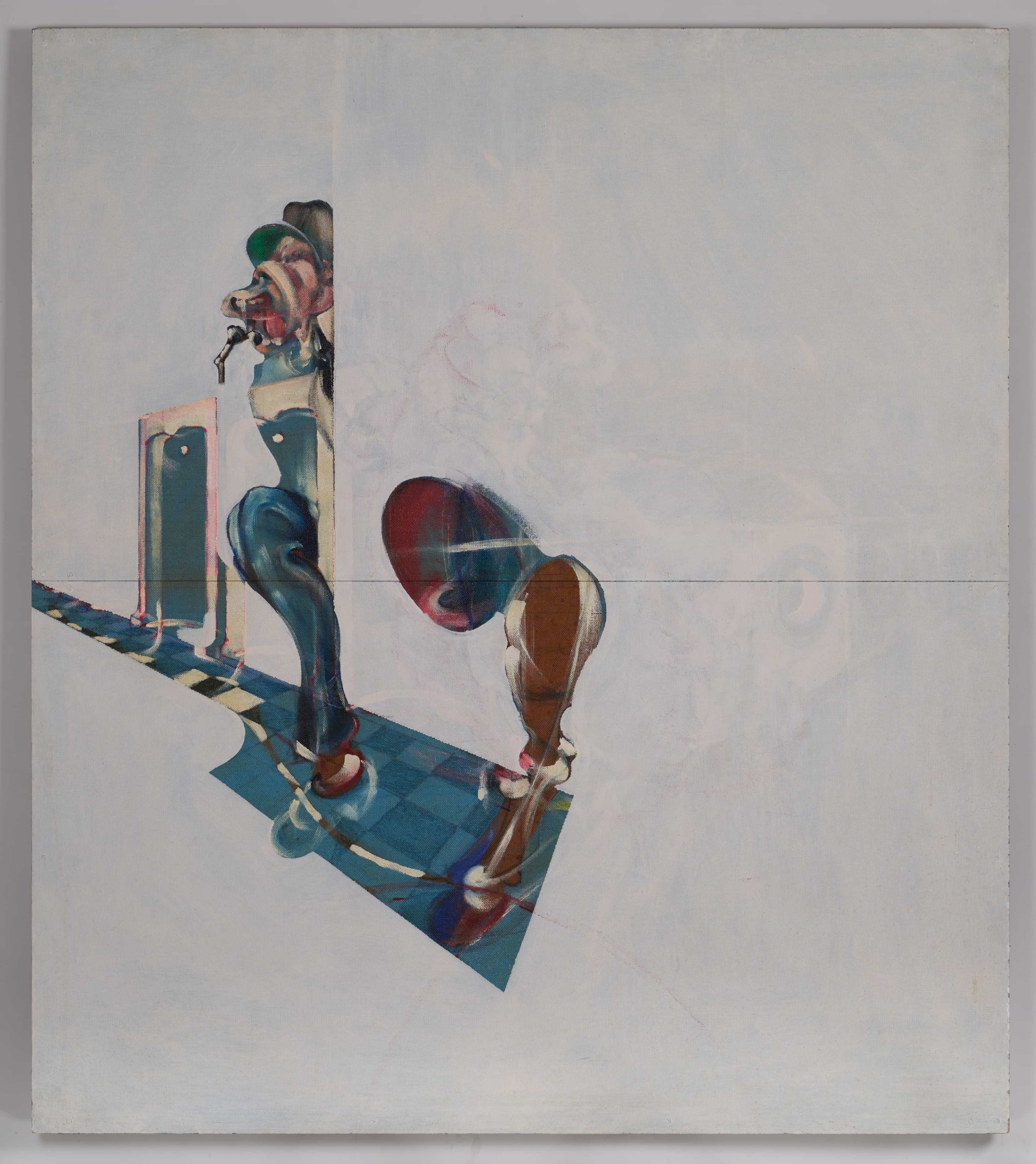
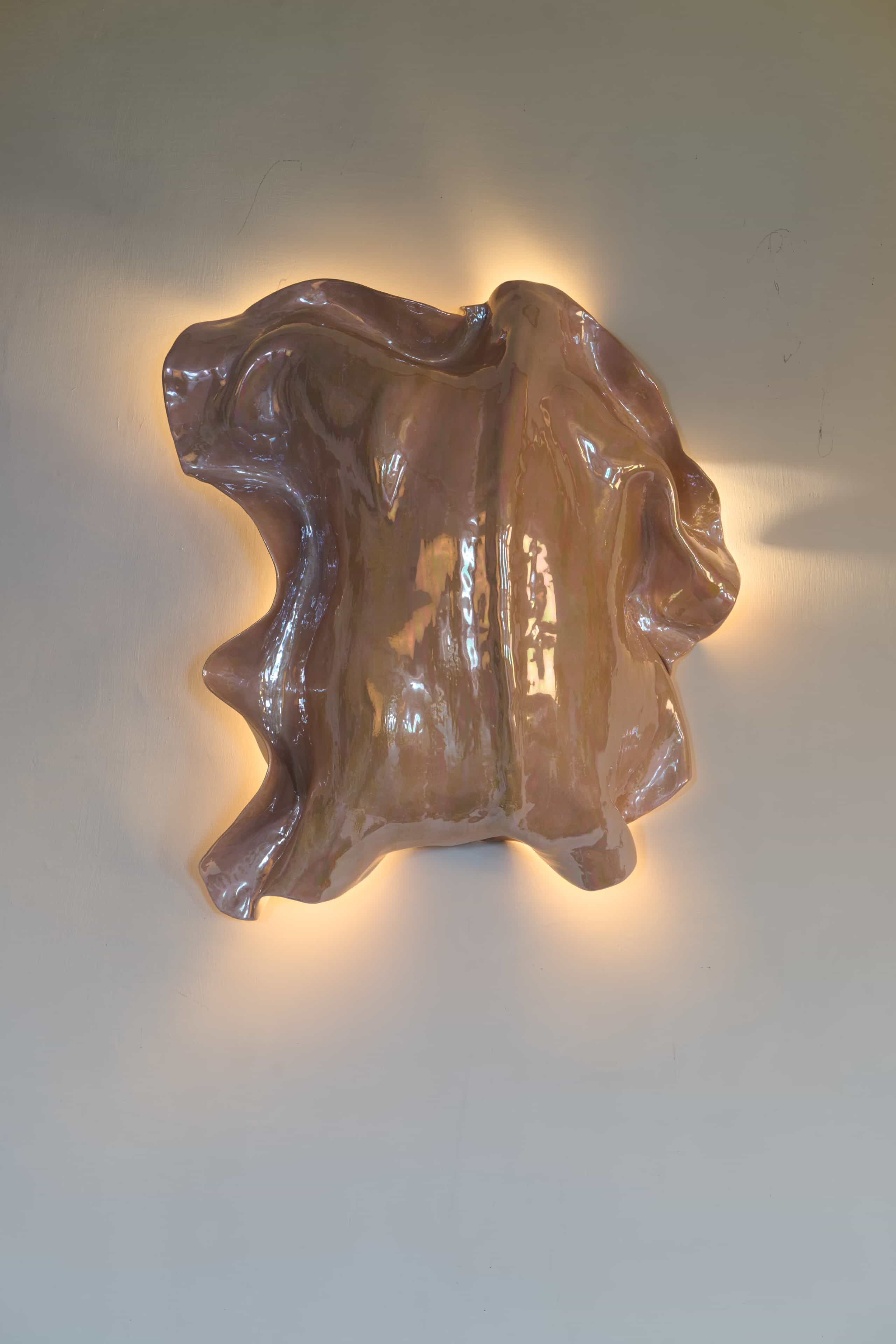
Magda von Hanau, Frisson I, 2026, Clay, glass glaze & mother of pearl luster, 68 x 58 x 20 cm
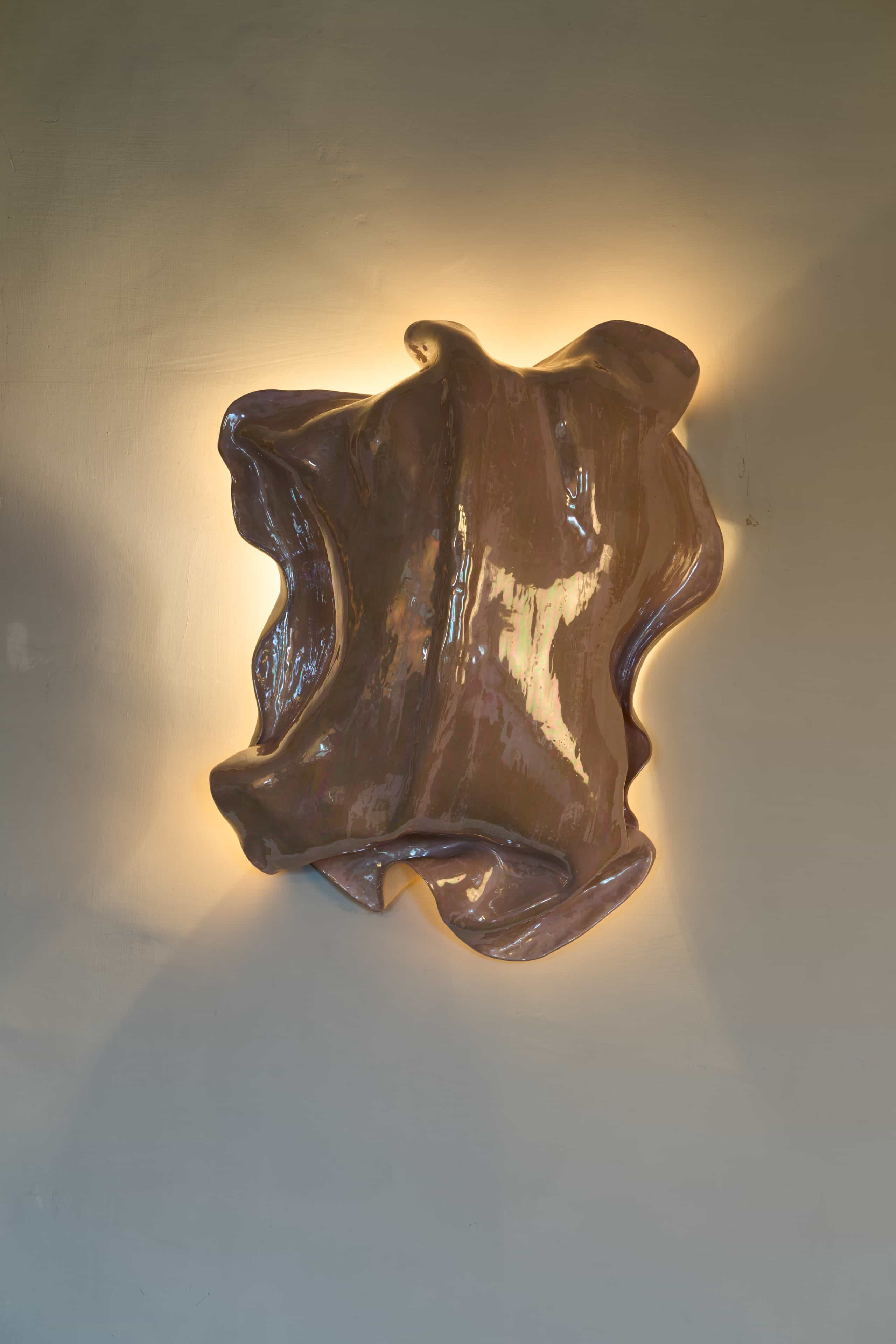
Magda von Hanau, Frisson II, 2026, Clay, glass glaze & mother of pearl luster, 68 x 58 x 20 cm
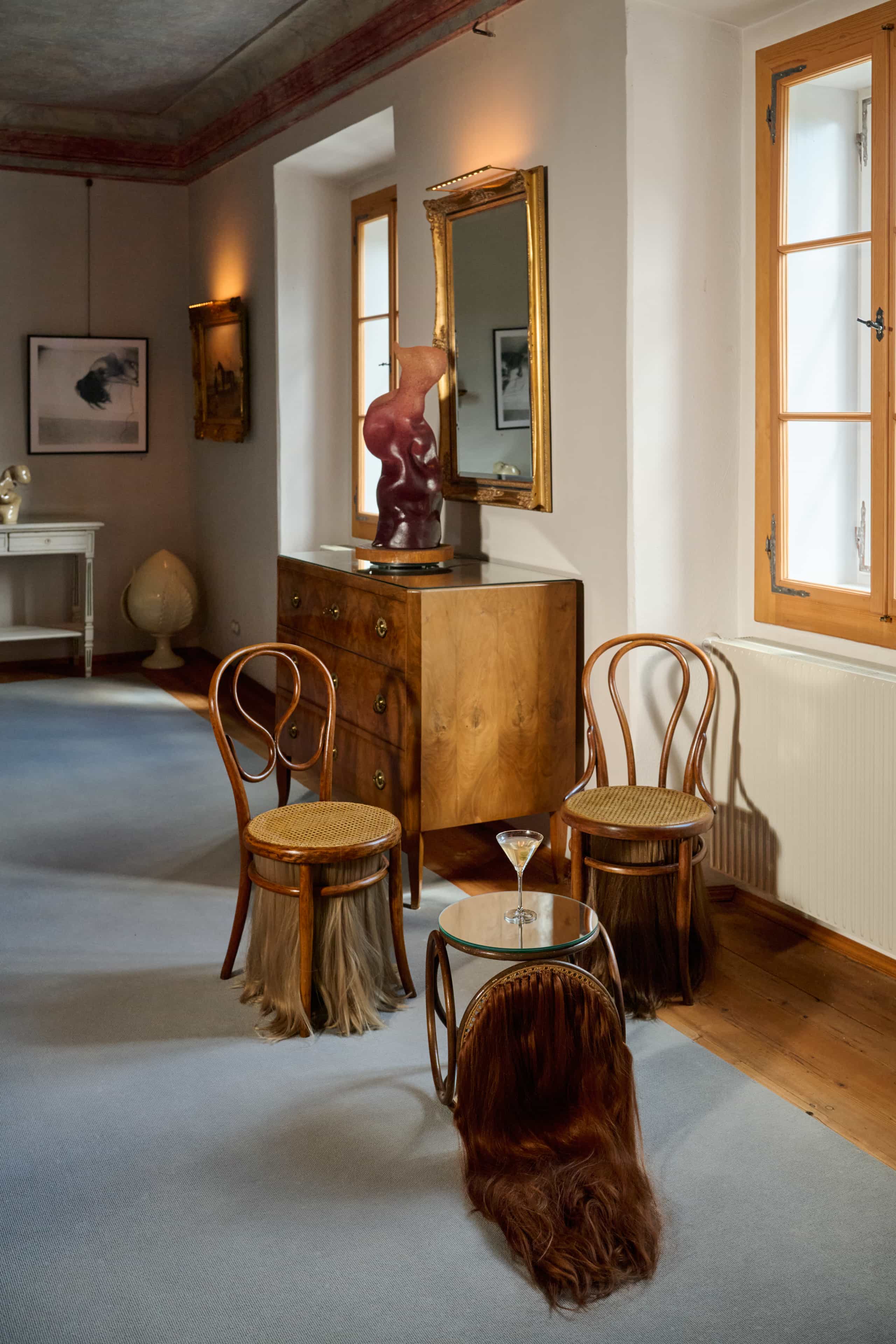
Magda von Hanau, Table for Two, 2026, Original antique Michael Thonet chairs and hair, 92 x 50 x 42 cm / Eve, 2026, Original antique Michael Thonet stool, mirror and hair, 41 x 100 x 41 cm
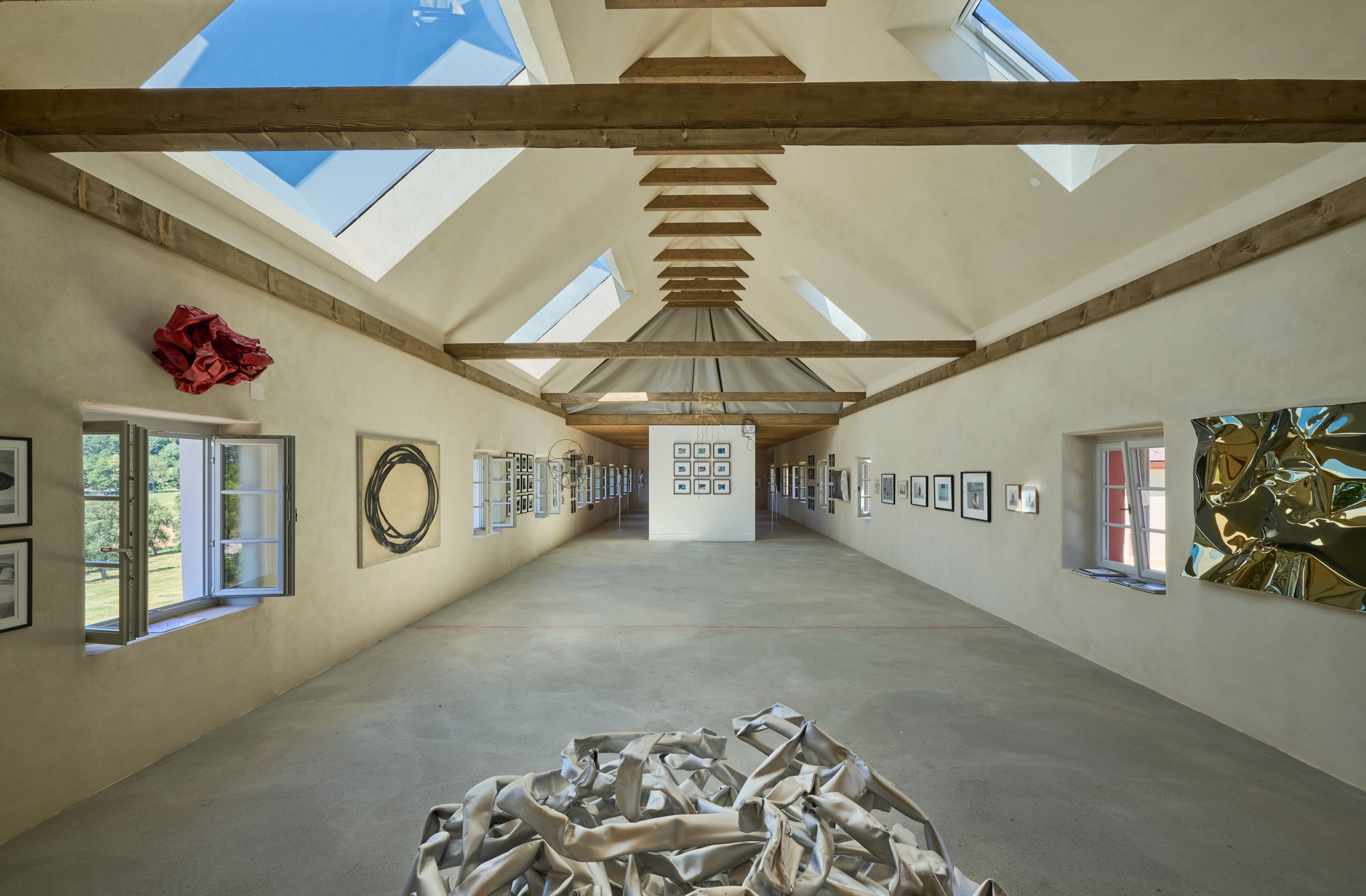
Gallery 2026 exhibition
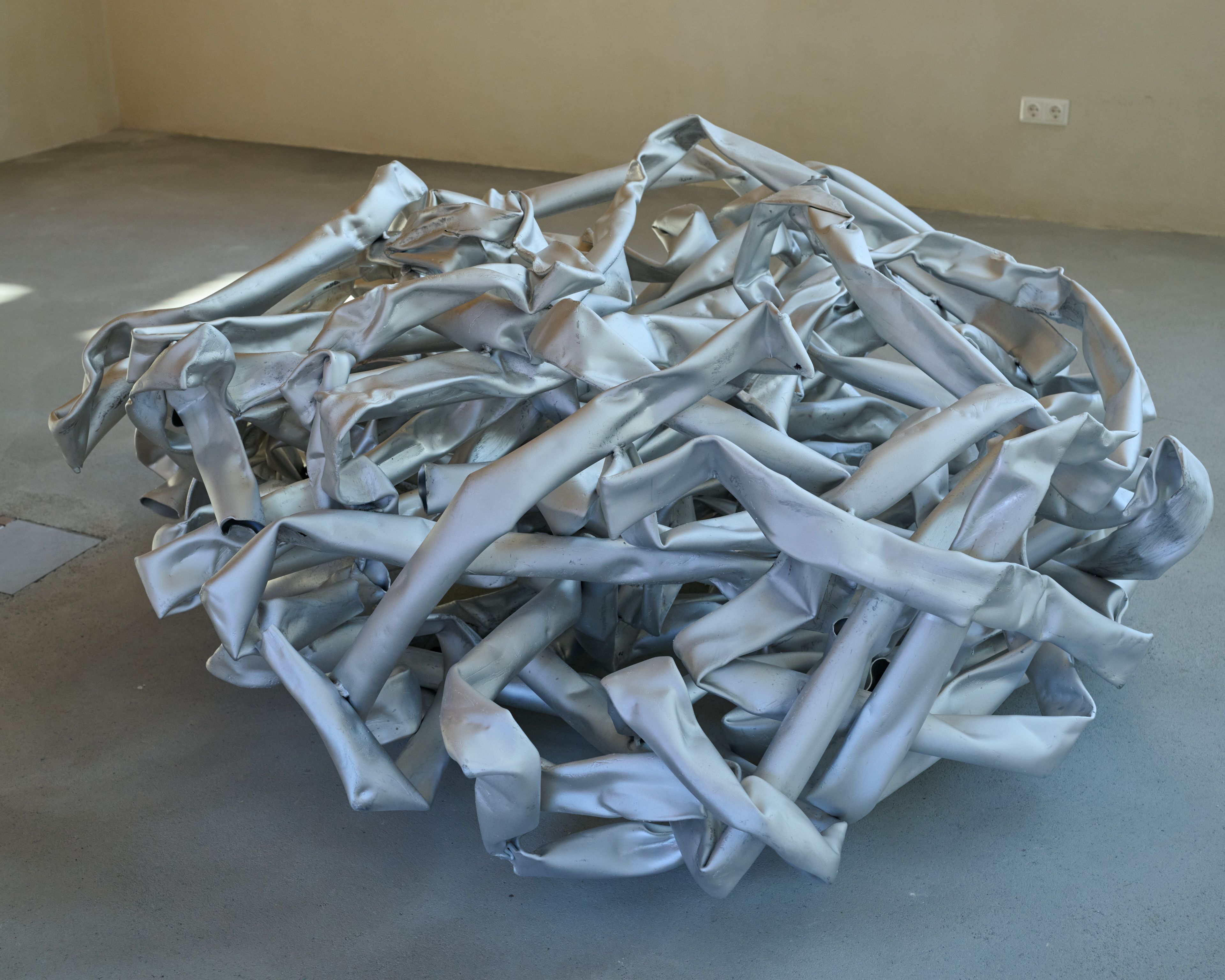
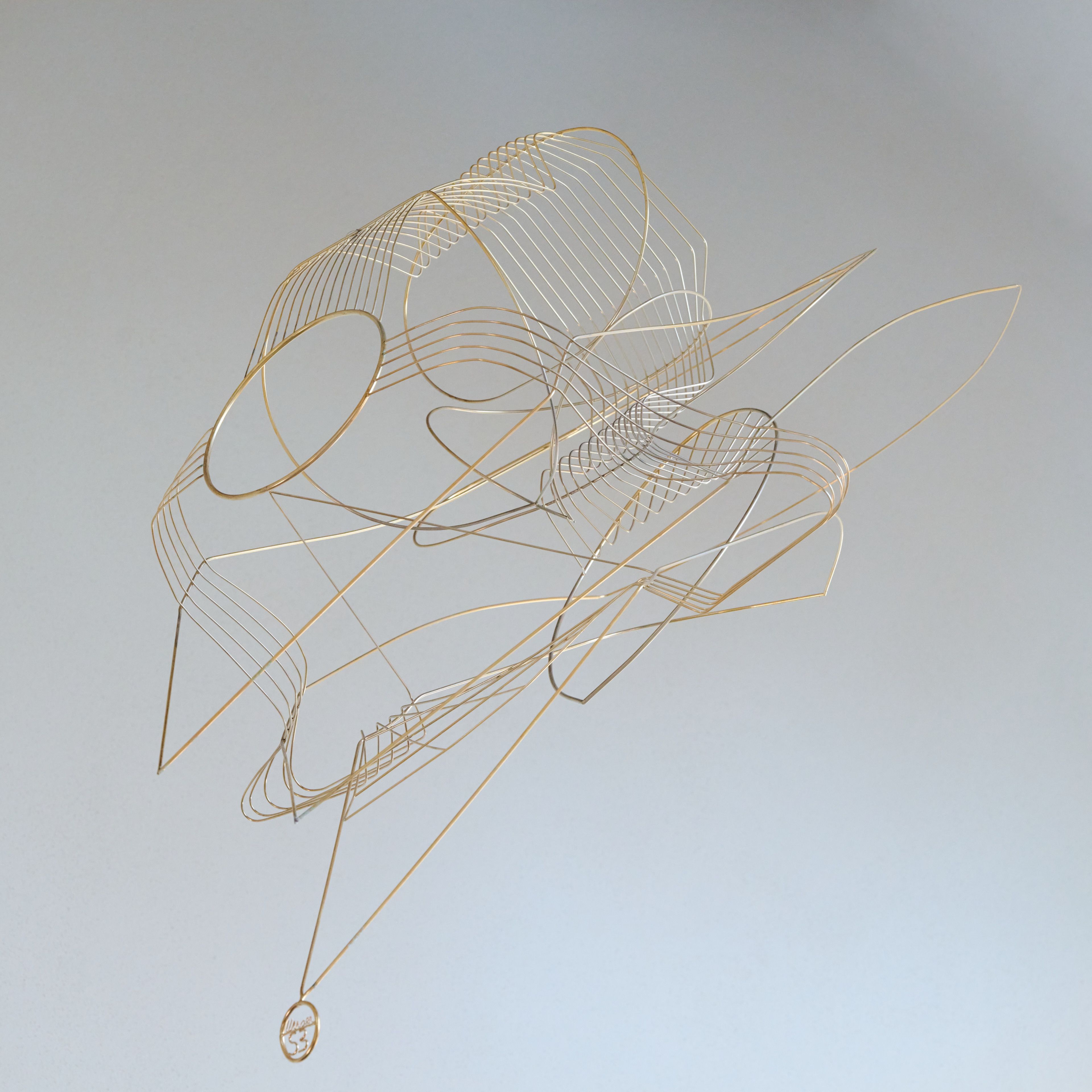
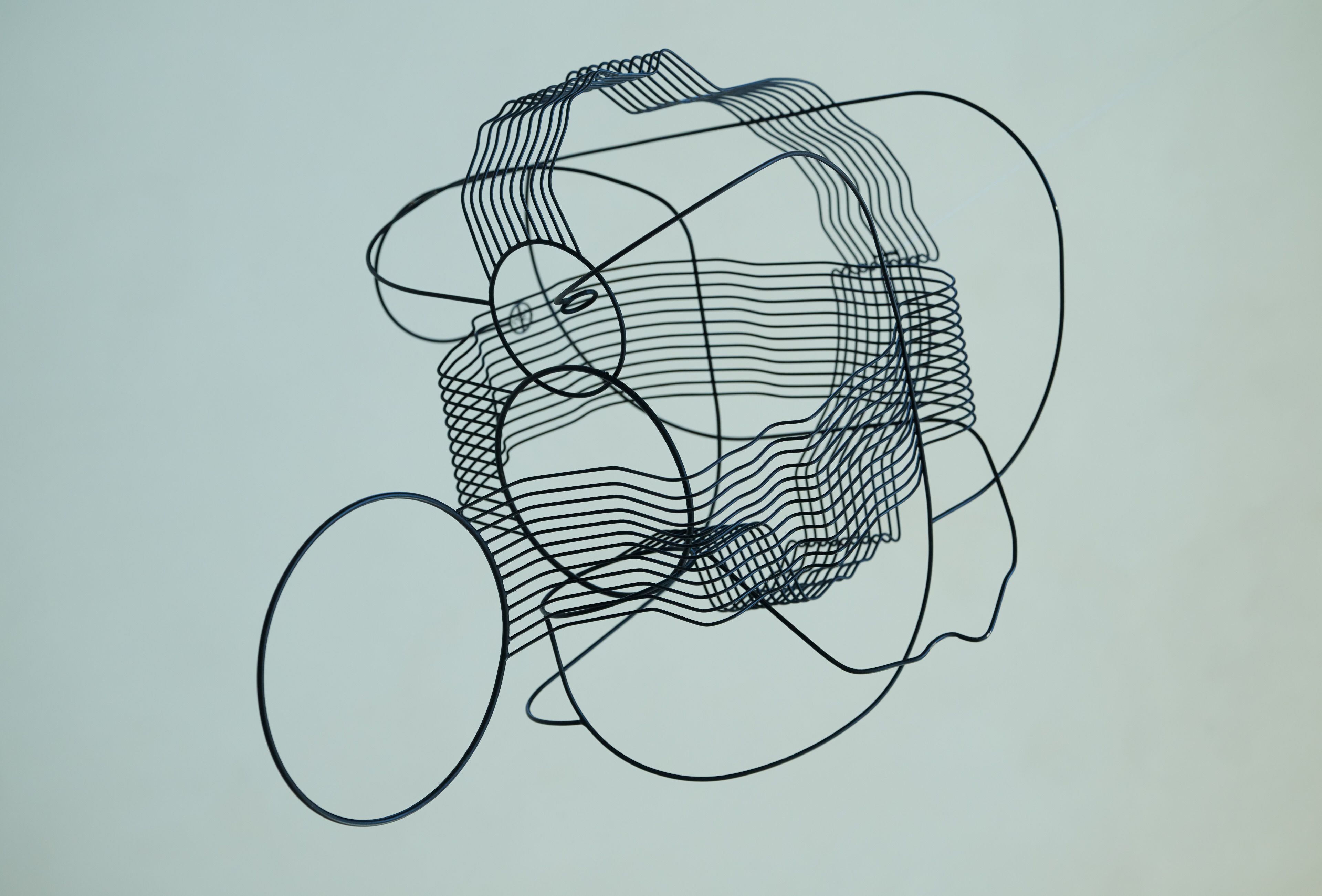
Constantin Luser, w3, 2024, Black-lacquered brass, 70 x 45 x 45 cm
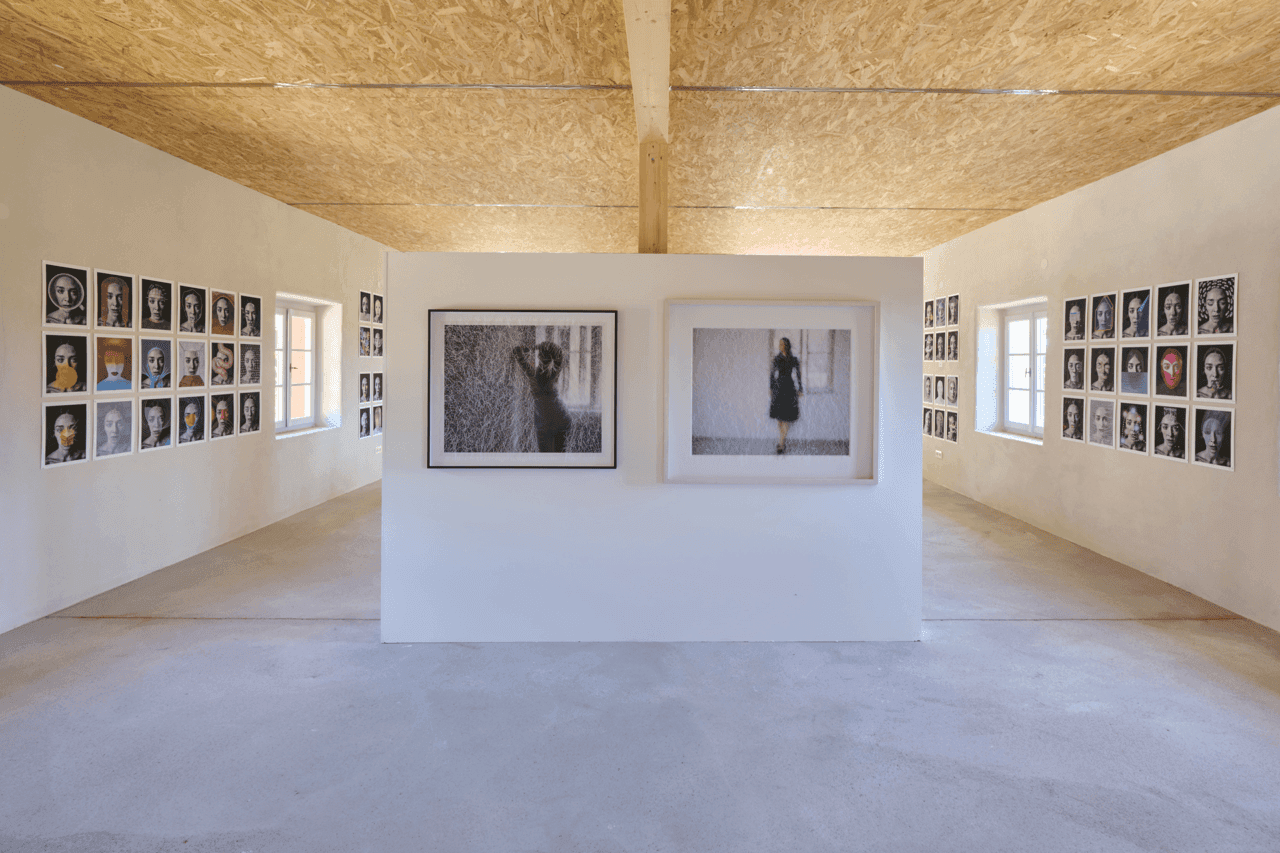
Gallery 2026 exhibition
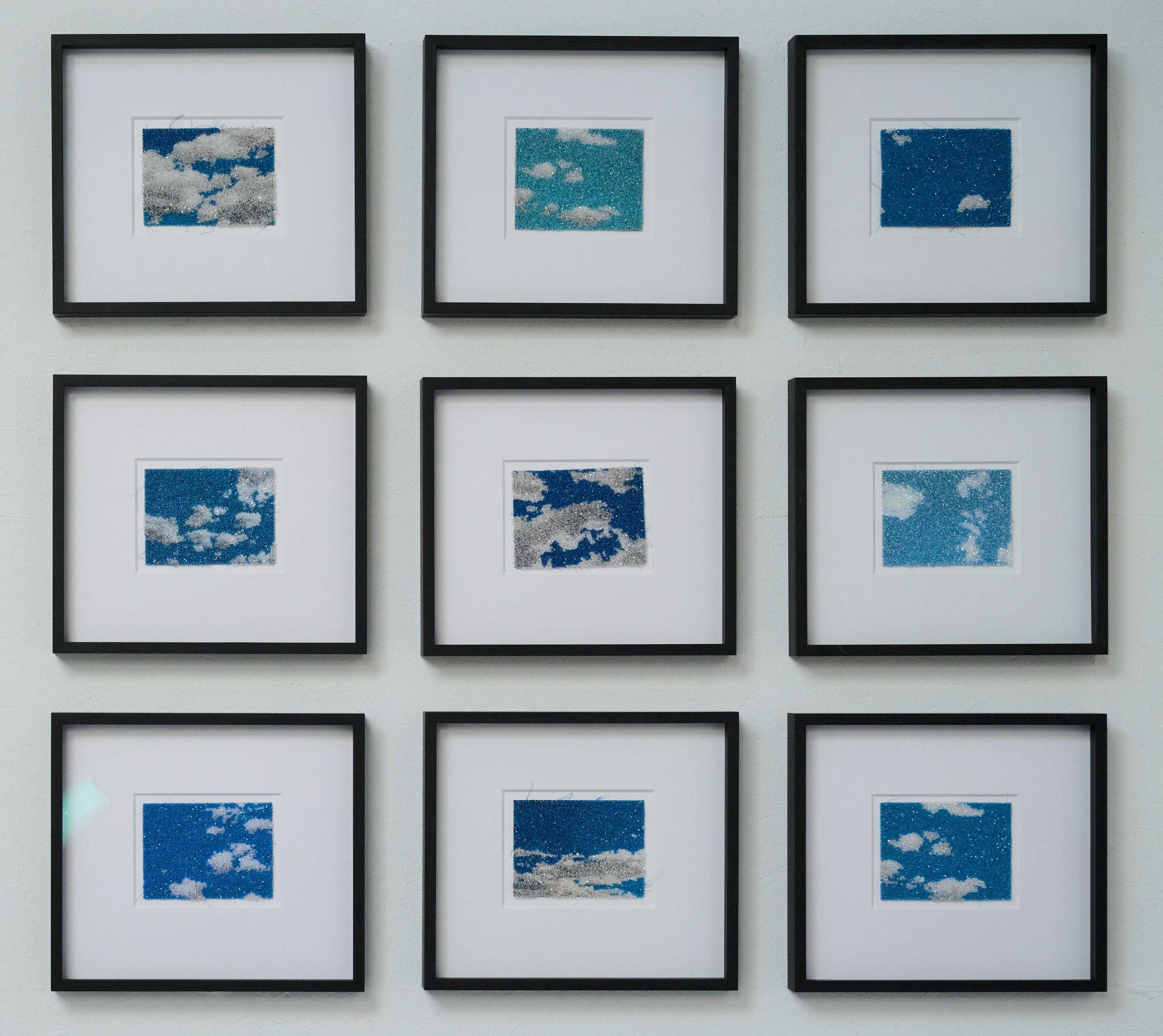
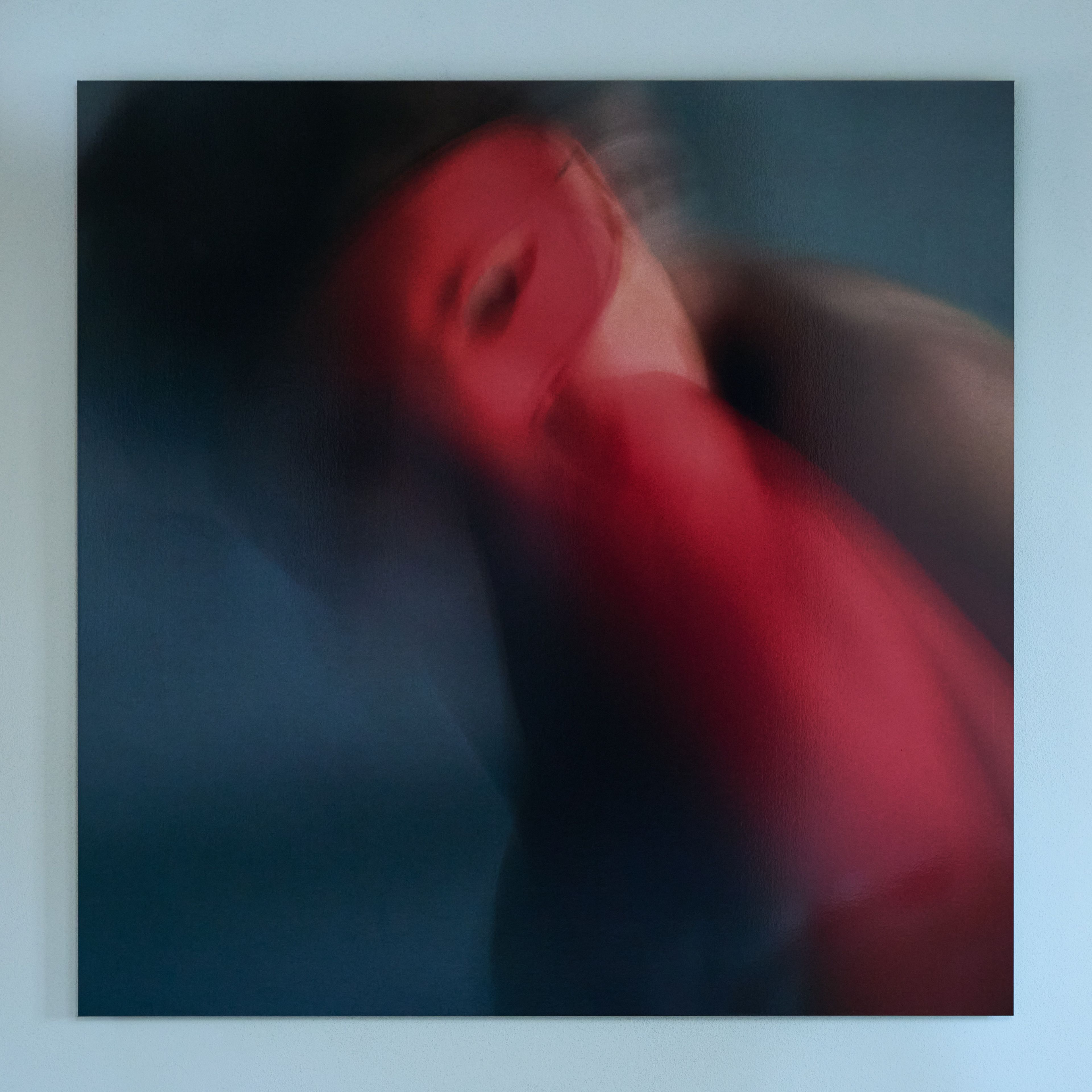
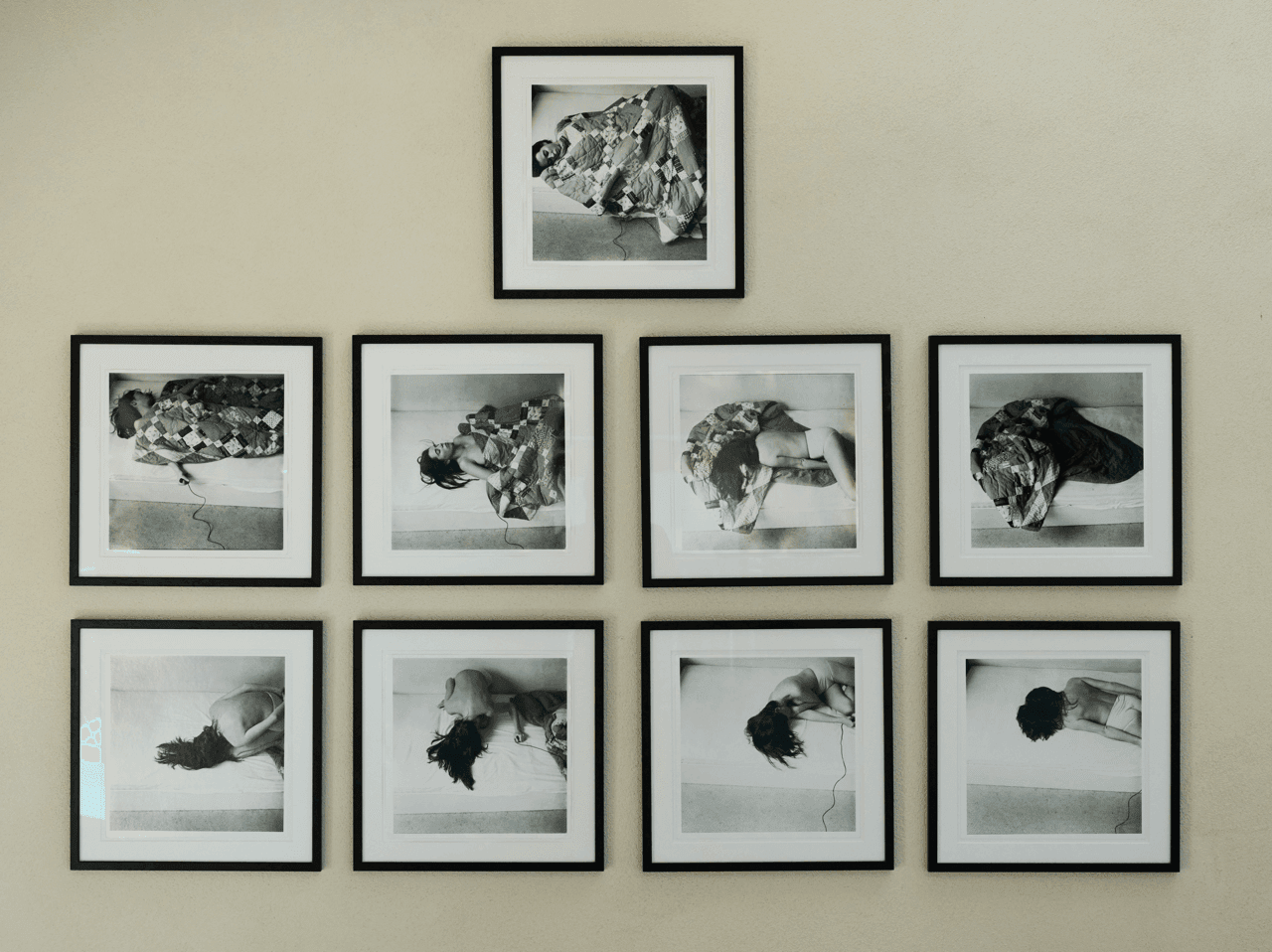
Heidi Harsieber, Harmonie du Soir, 2010, Gelatin silver print, Set of 9 photos, 30 x 30 cm each, framed 41 x 41 cm
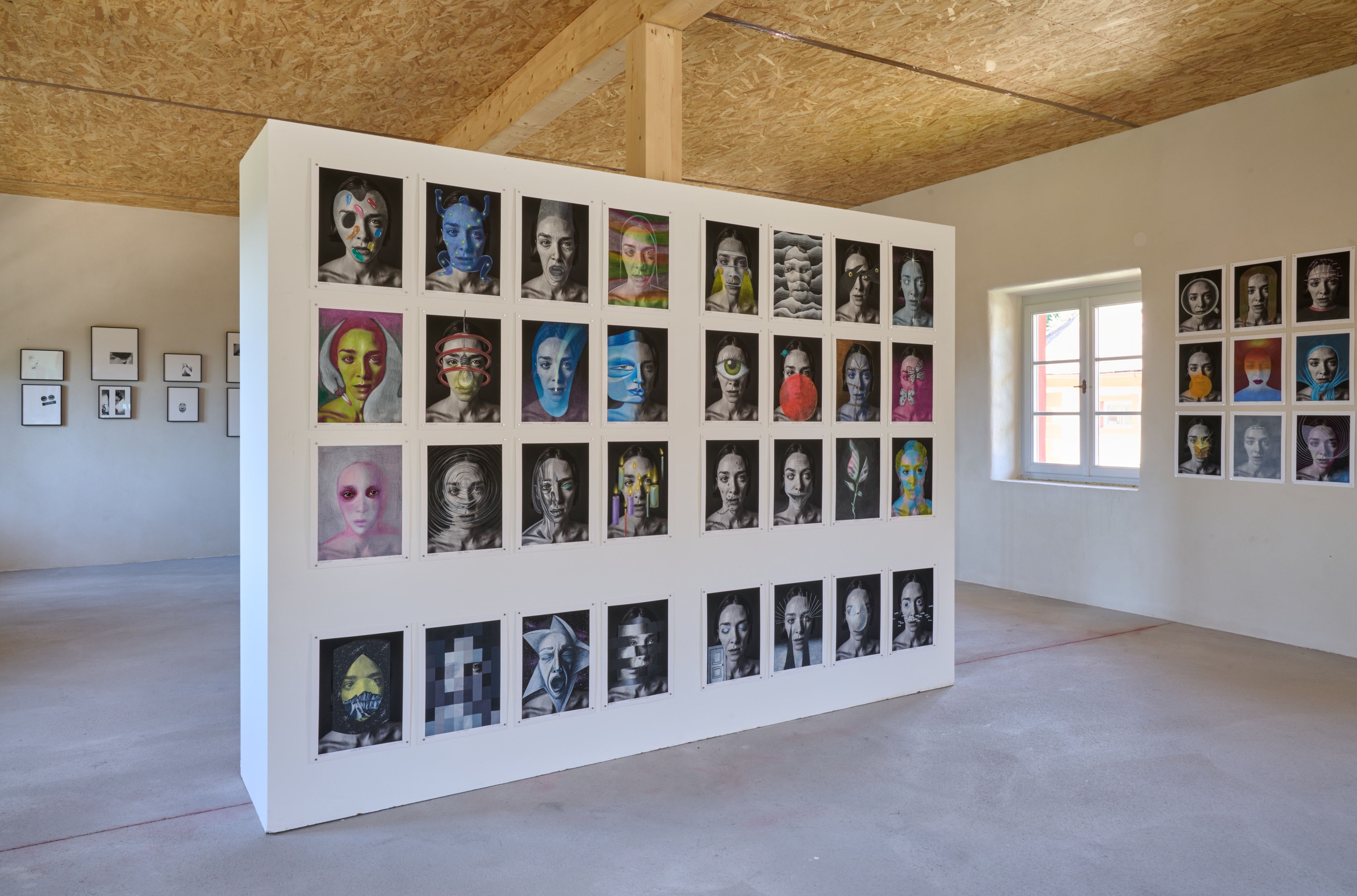
Gallery 2026 exhibition
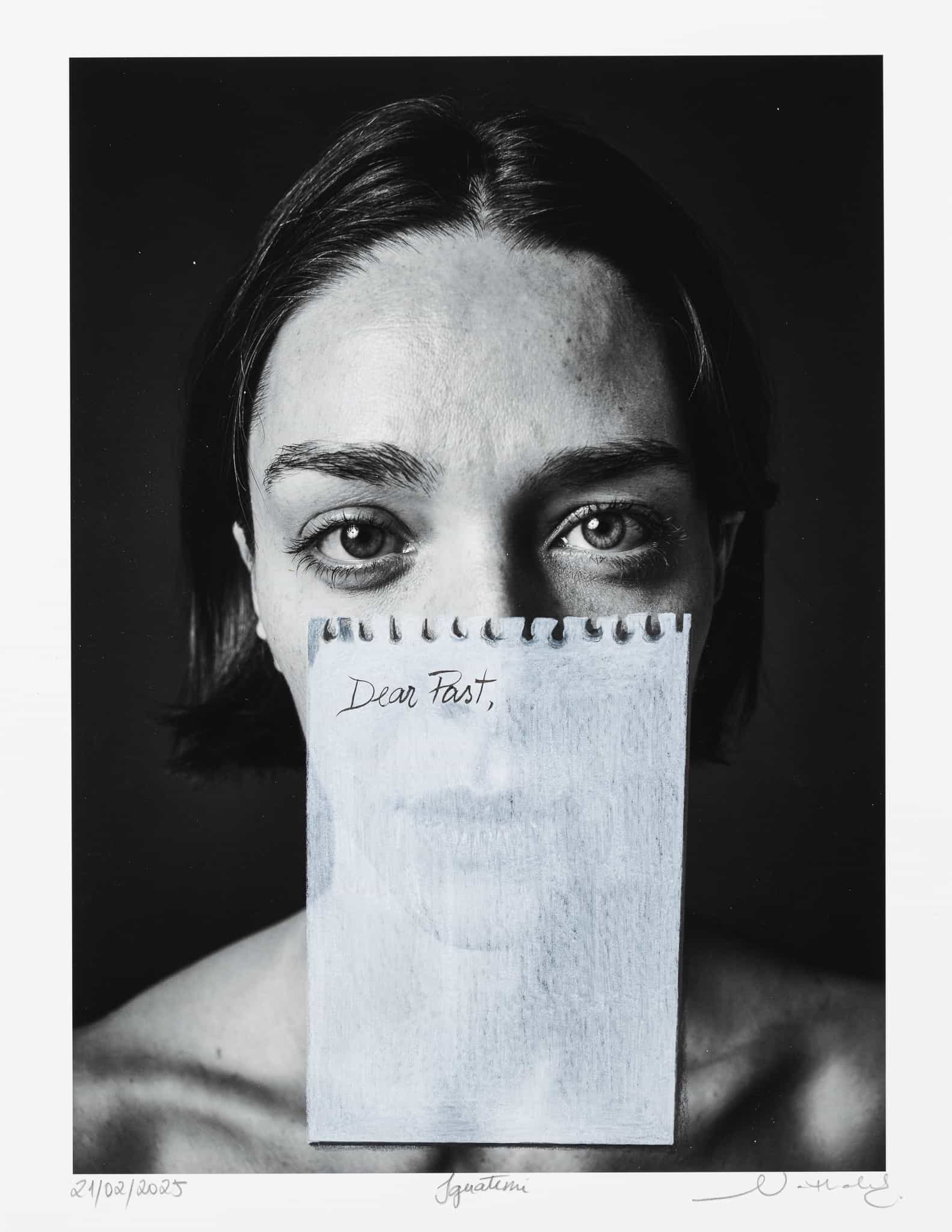
Nathalie Edenburg, How do I feel today - February 11 - 22, 2025, Mixed media intervention on photograph printed on cotton rag paper, 37,2 x 28,3 cm
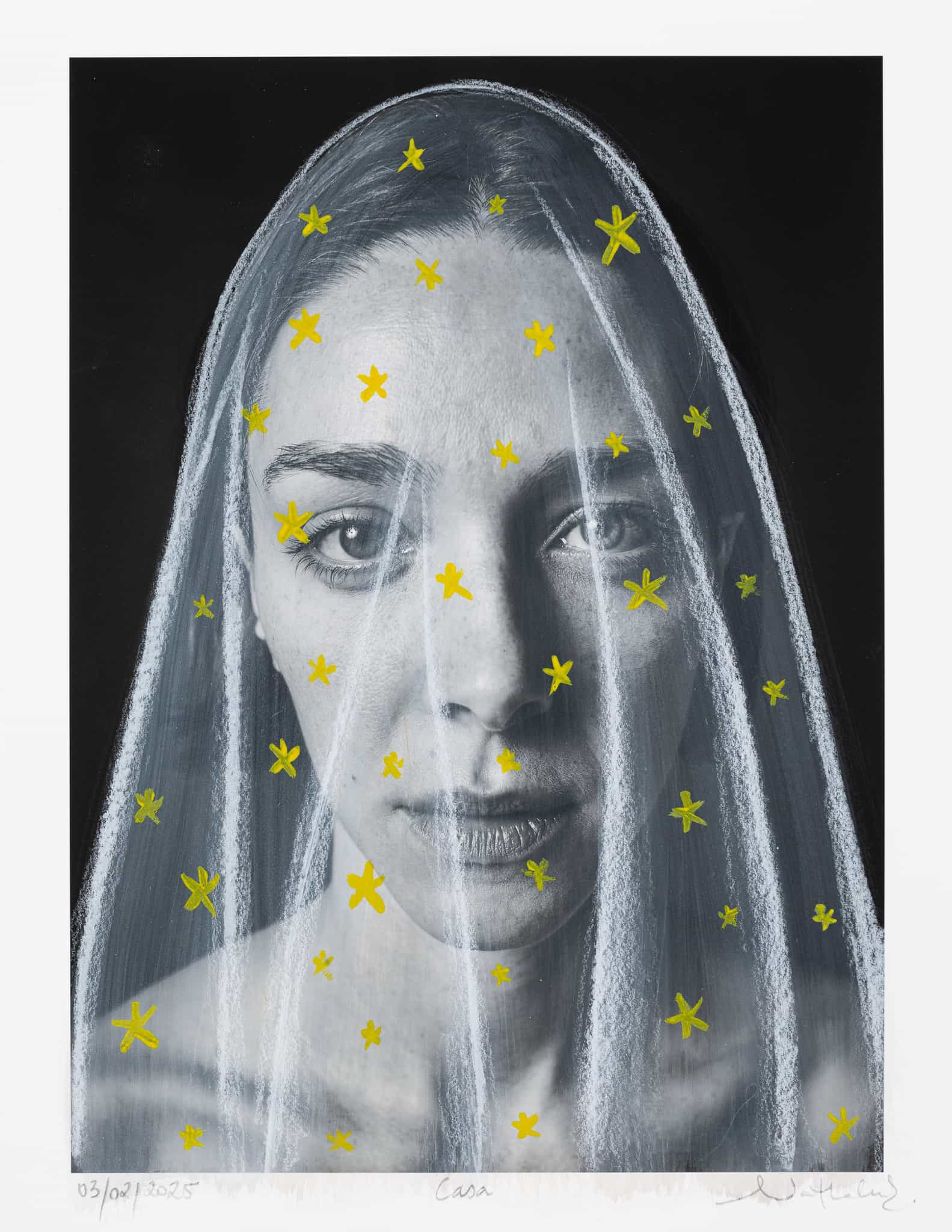
Nathalie Edenburg, How do I feel today - Februrary 1 - 4, 2025, Mixed media intervention on photograph printed on cotton rag paper, 37,2 x 28,3 cm
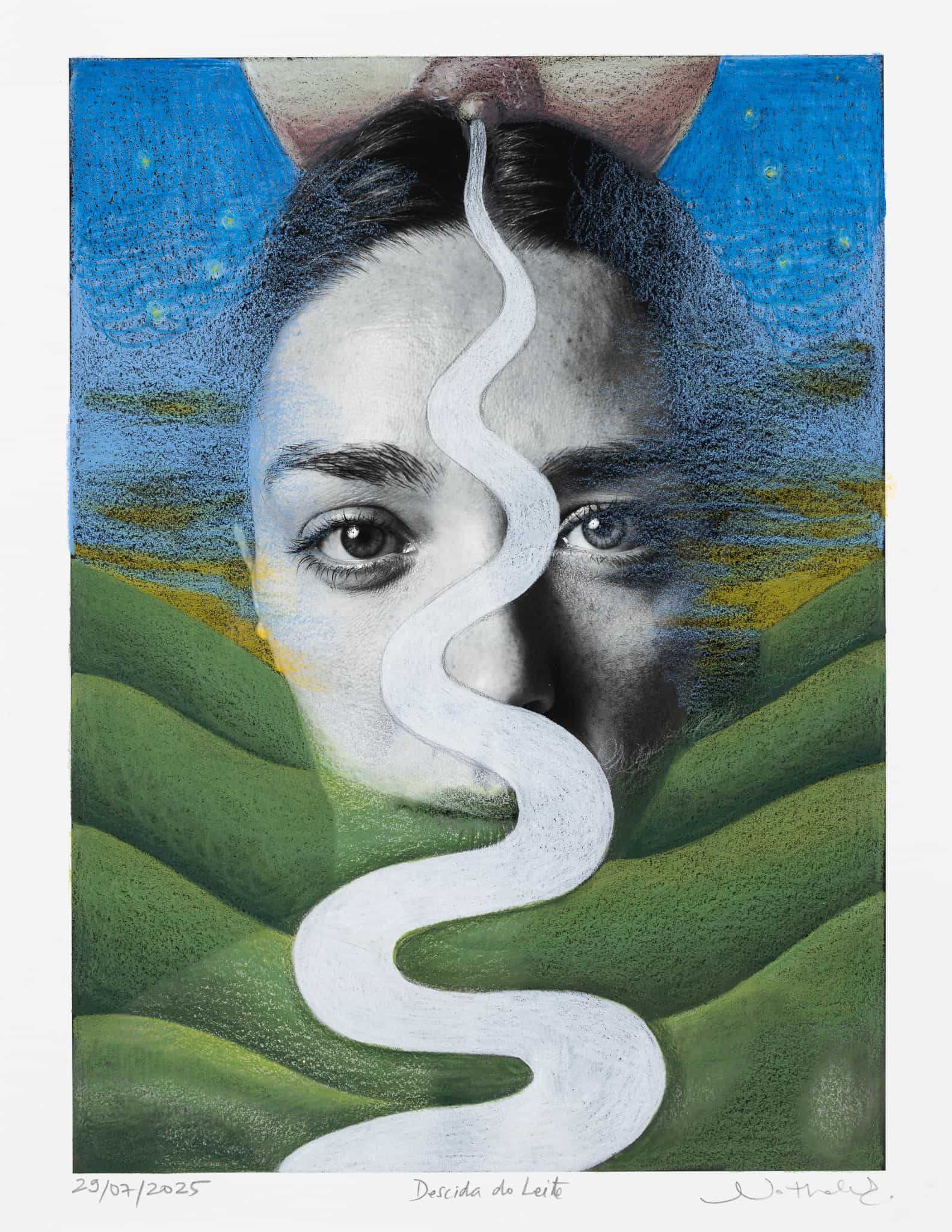
Nathalie Edenburg, How do I feel today - July 20 - 31, 2025, Mixed media intervention on photograph printed on cotton rag paper, 37,2 x 28,3 cm
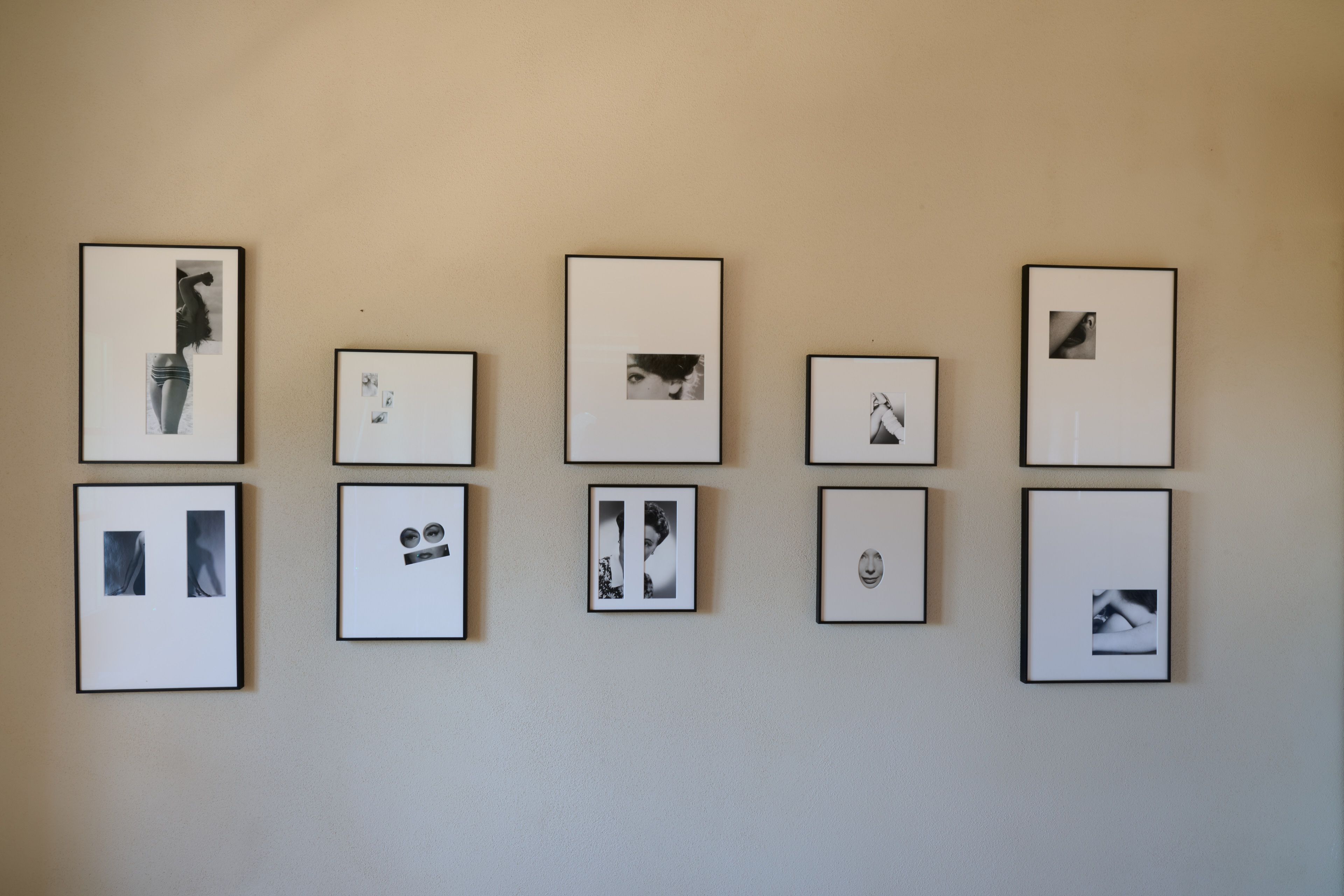
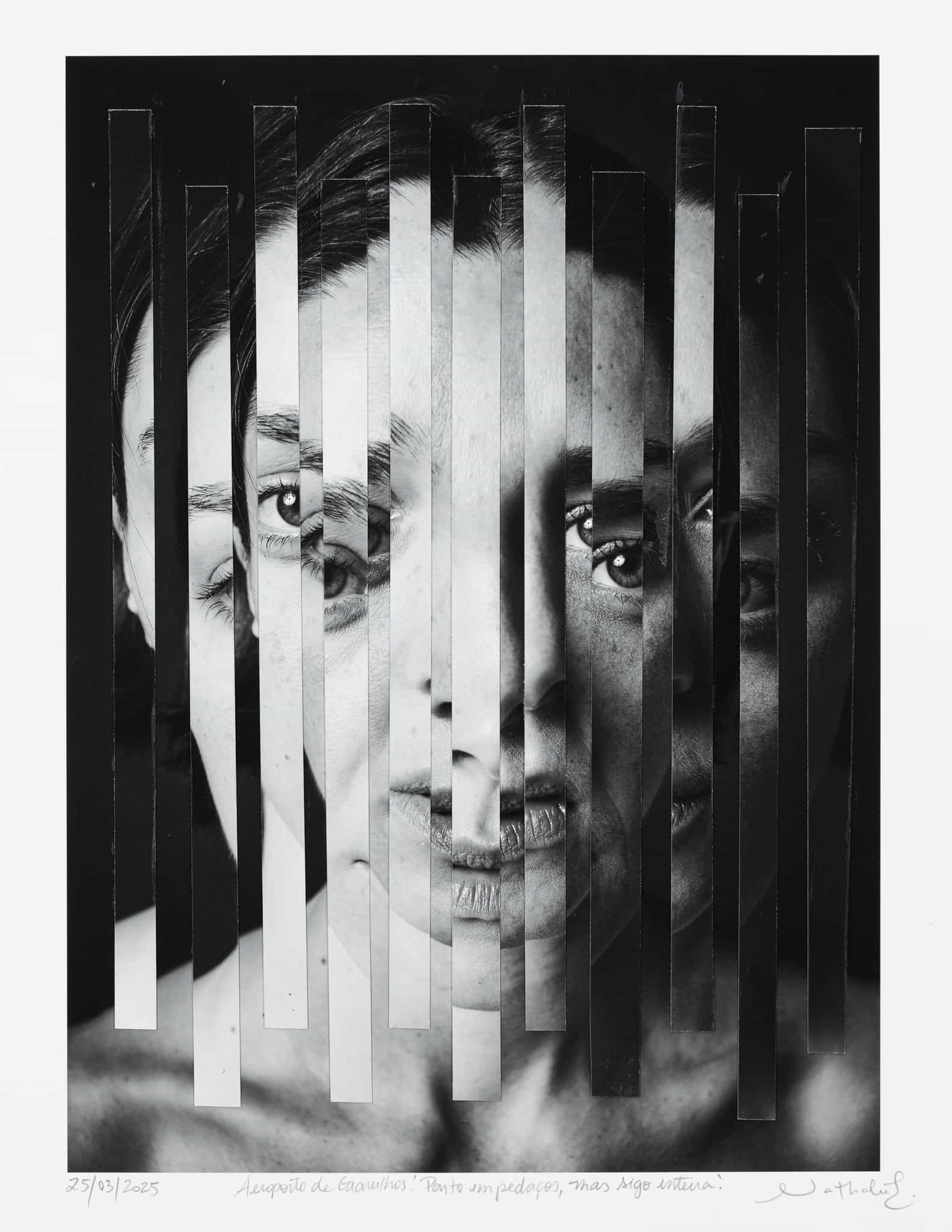
Nathalie Edenburg, How do I feel today - March 18 - 27, 2025, Mixed media intervention on photograph printed on cotton rag paper, 37,2 x 28,3 cm
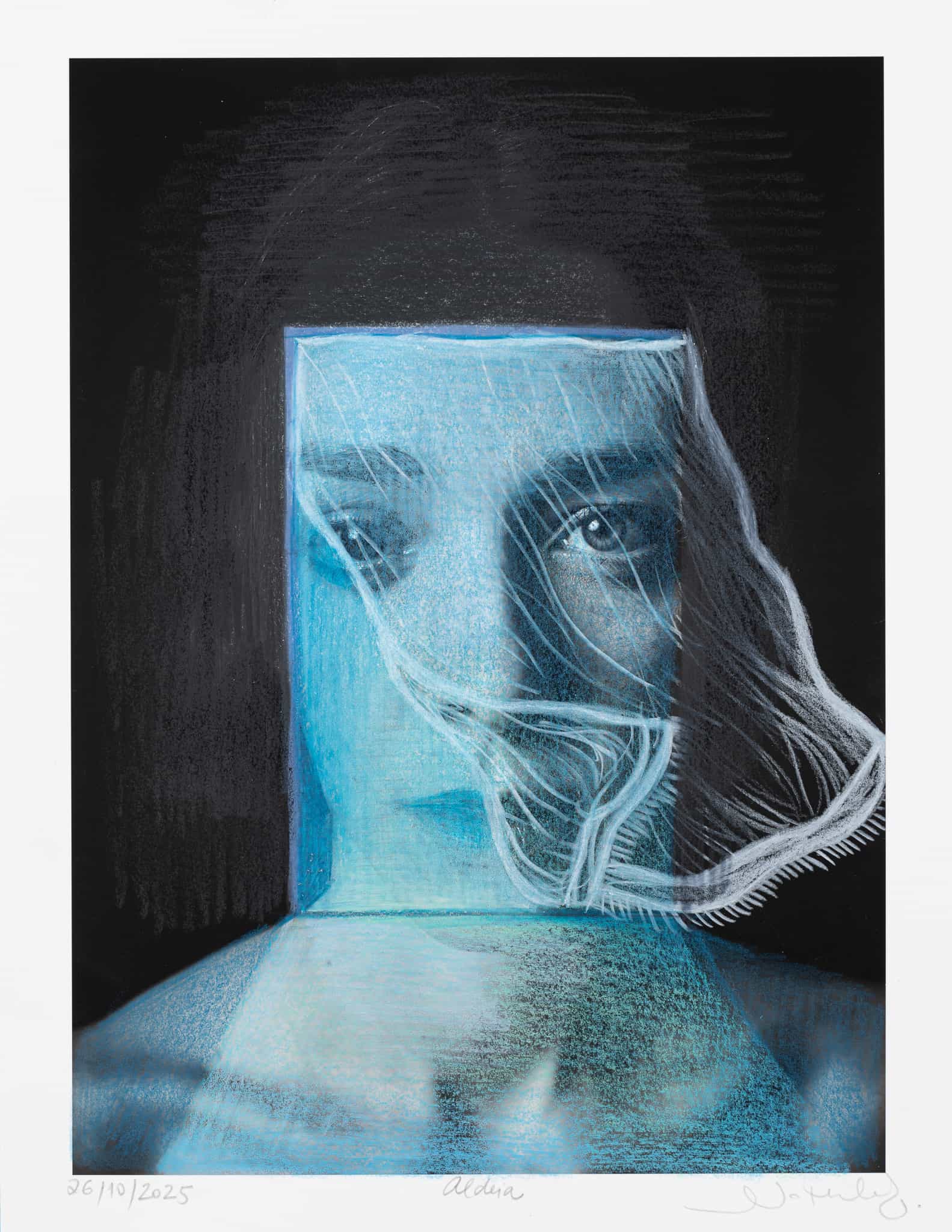
Nathalie Edenburg, How do I feel today - October 22 - 31, 2025, Mixed media intervention on photograph printed on cotton rag paper, 37,2 x 28,3 cm
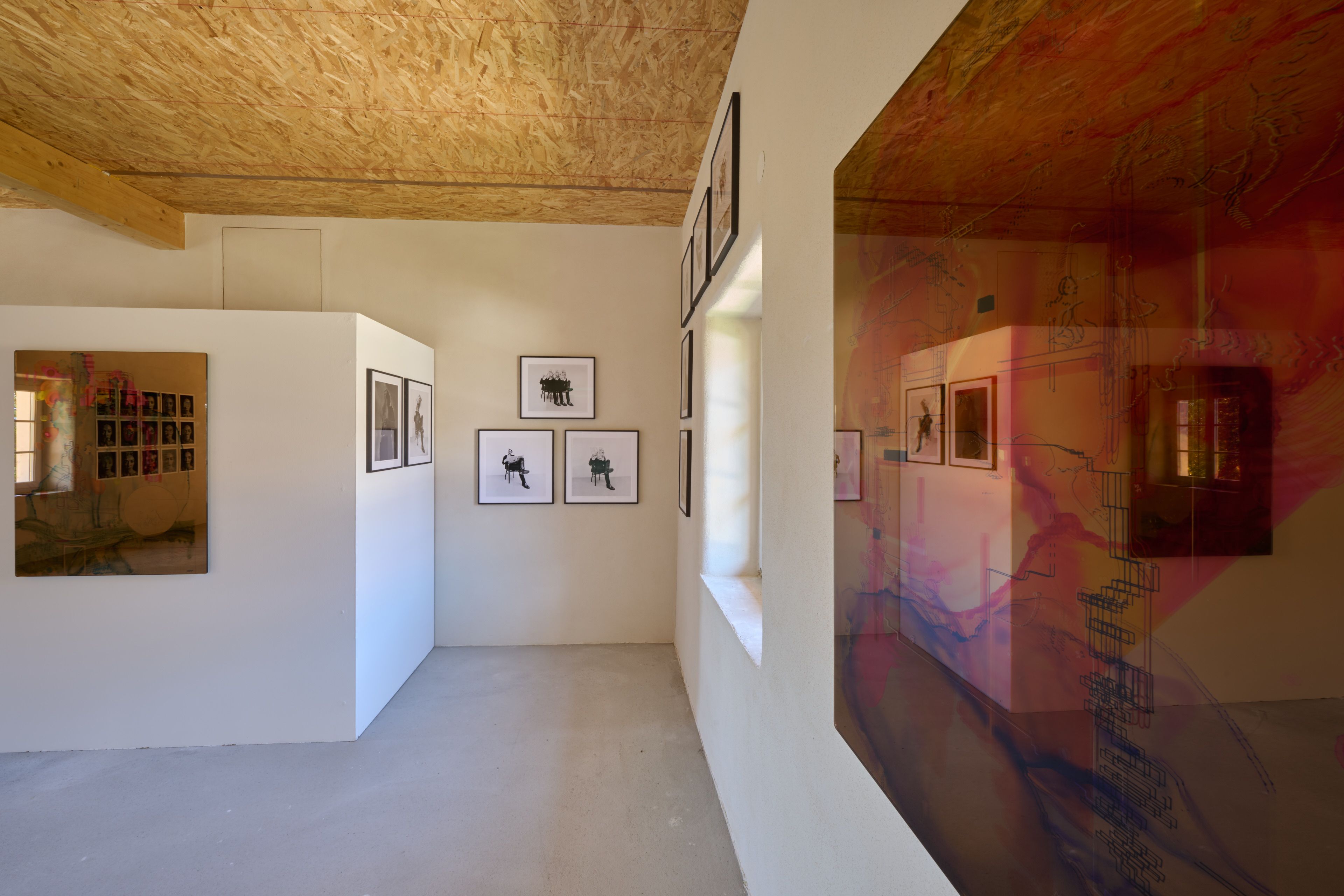
Gallery 2026 exhibition
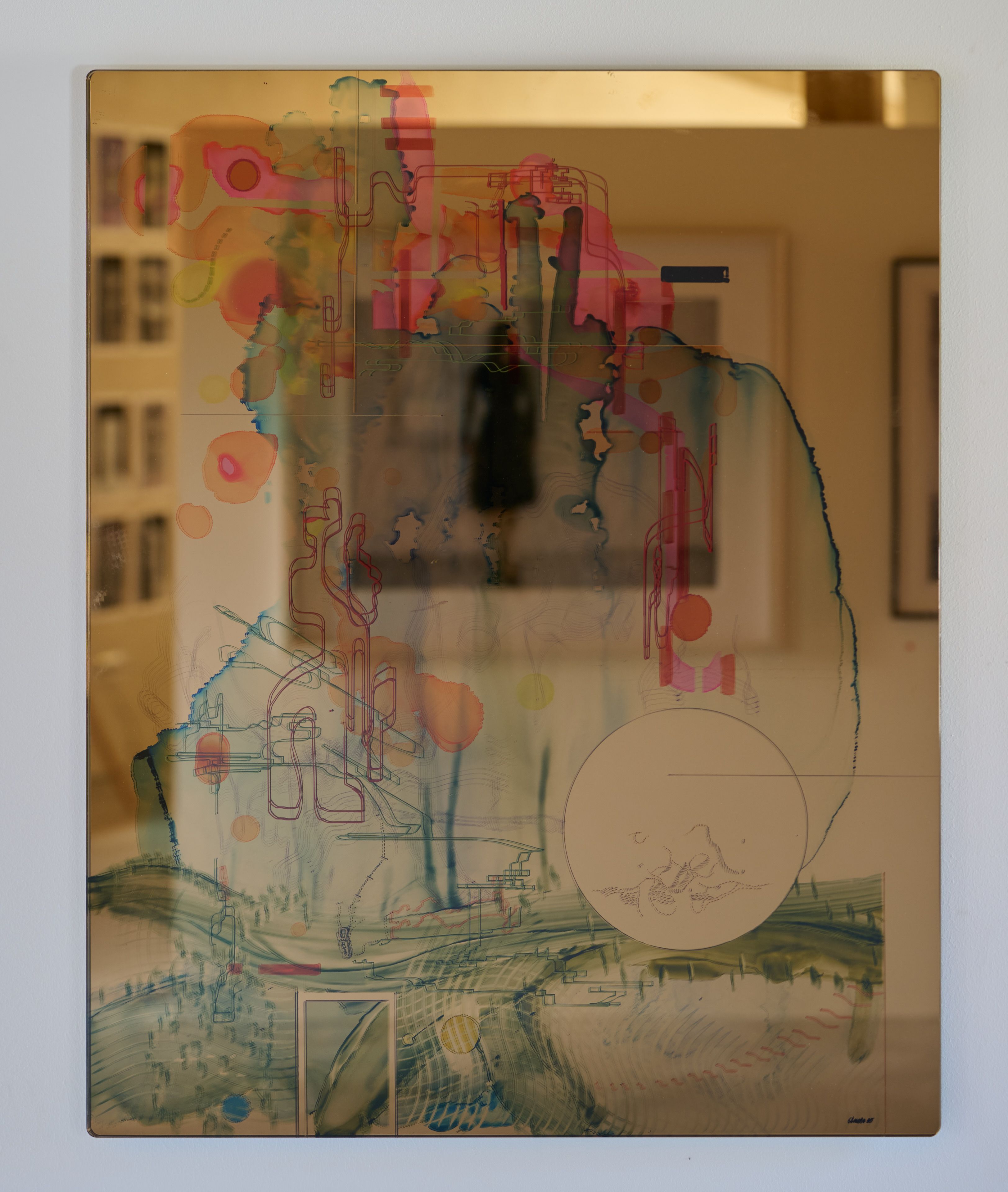
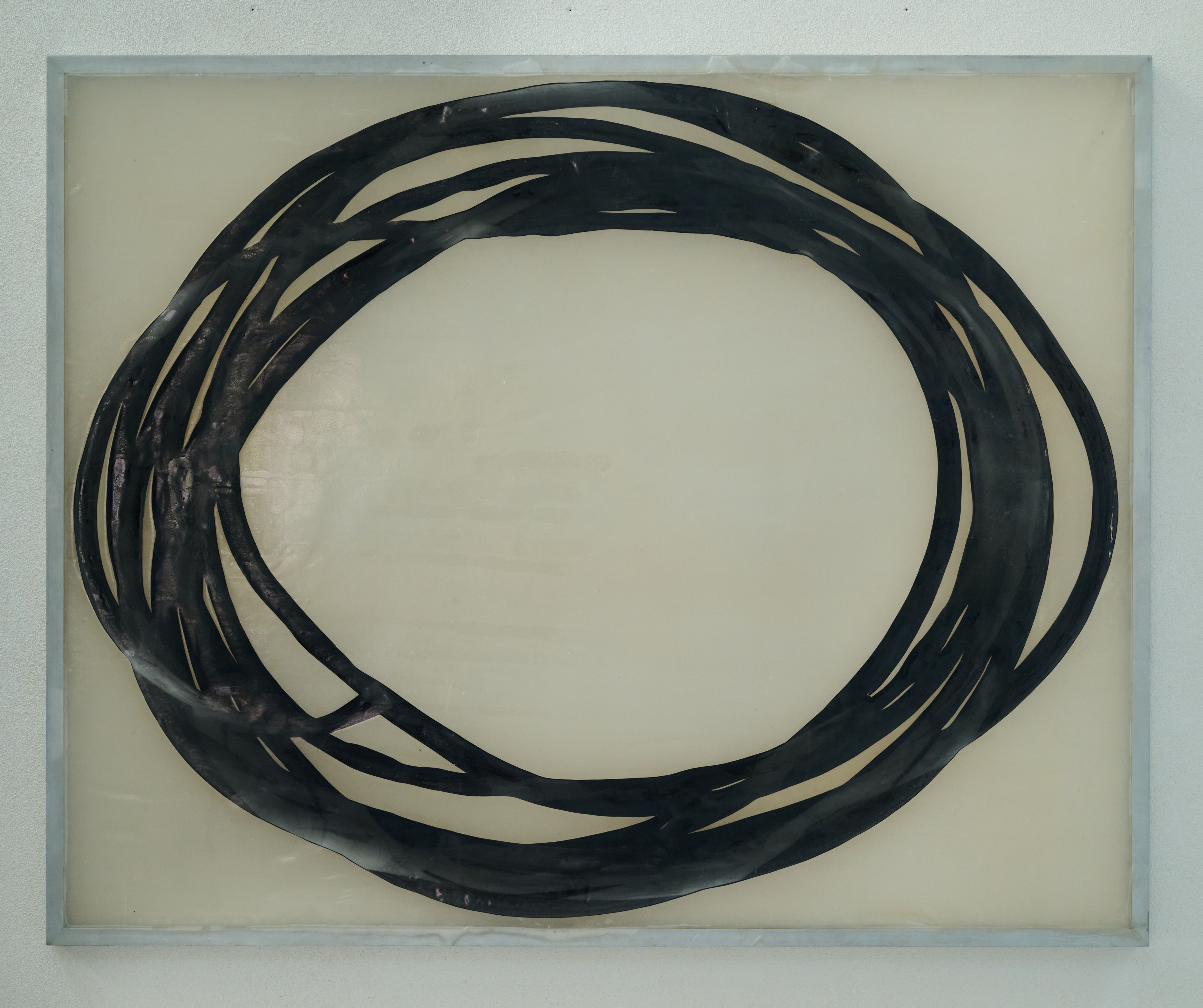
Constantin Luser, 2023, Spiegelarbeiten, Spirit-based watercolor behind UV-protective glass, 100 x 80 cm
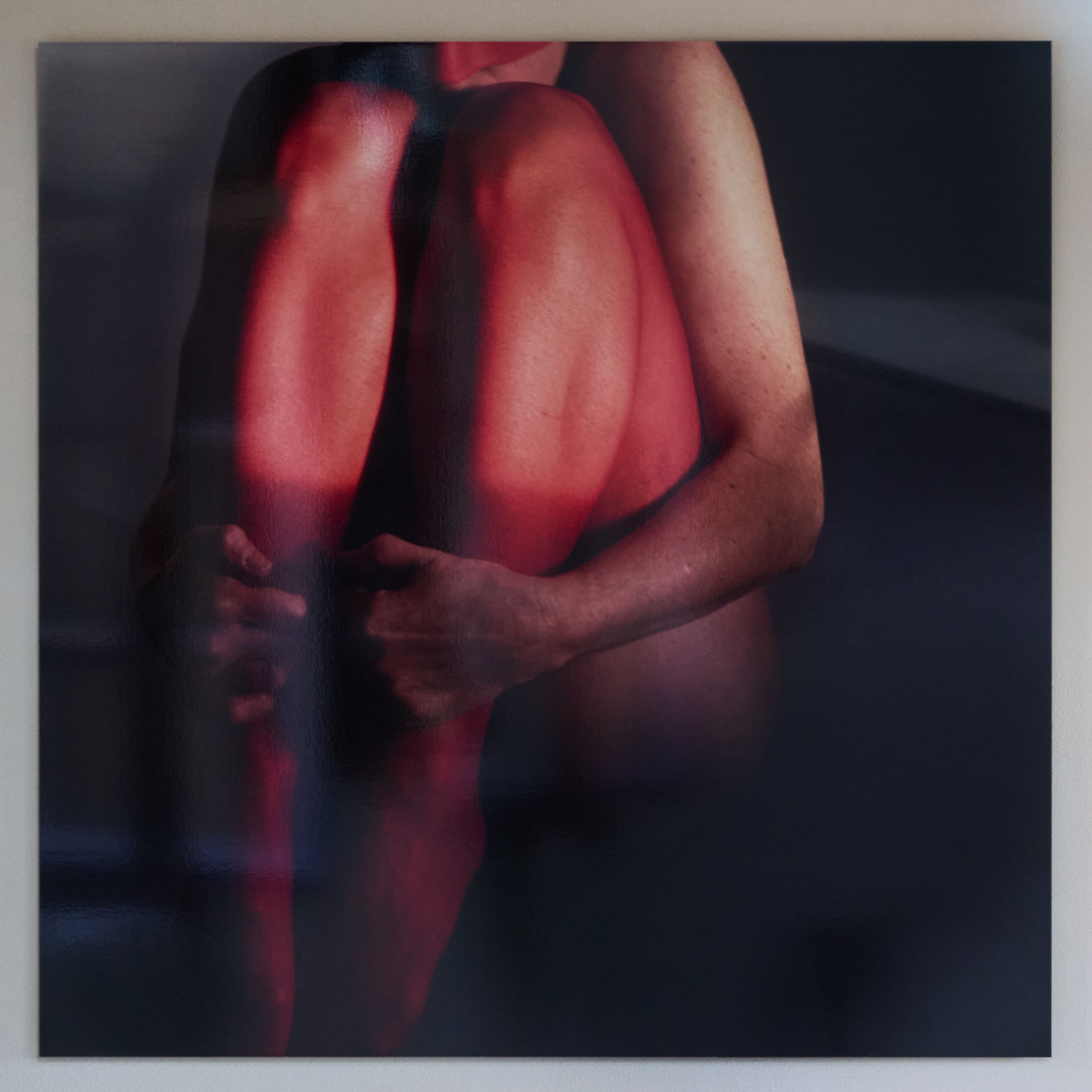
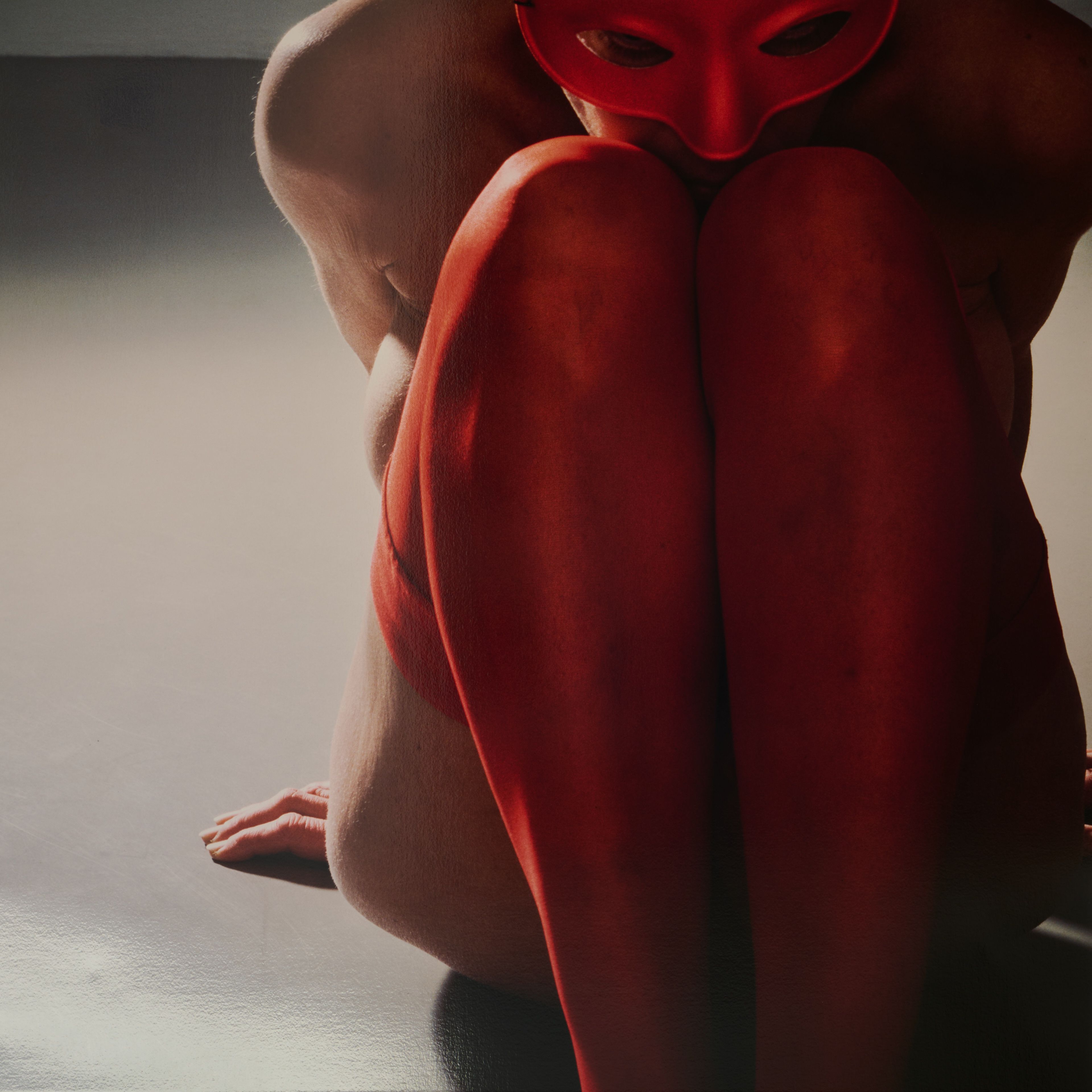
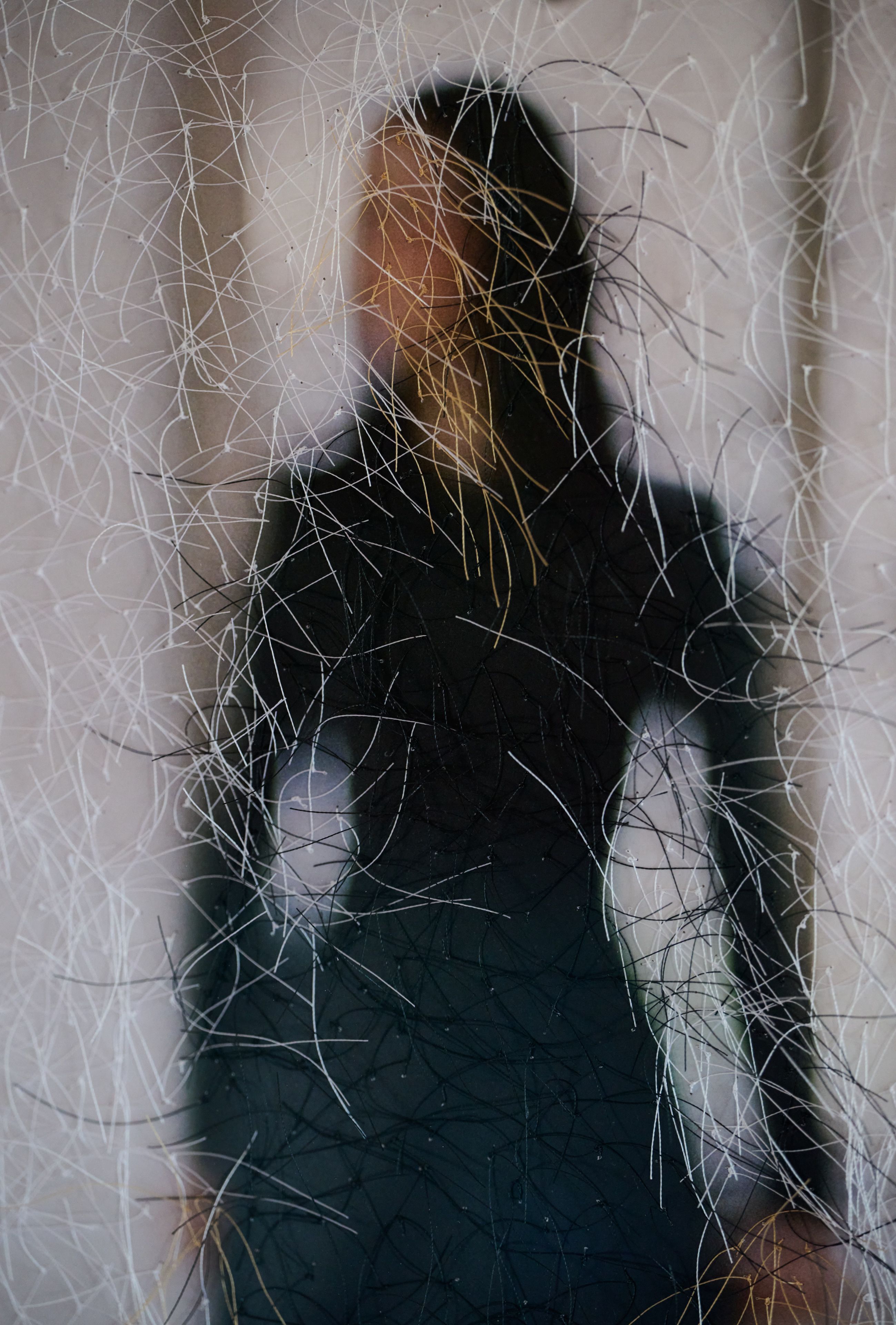
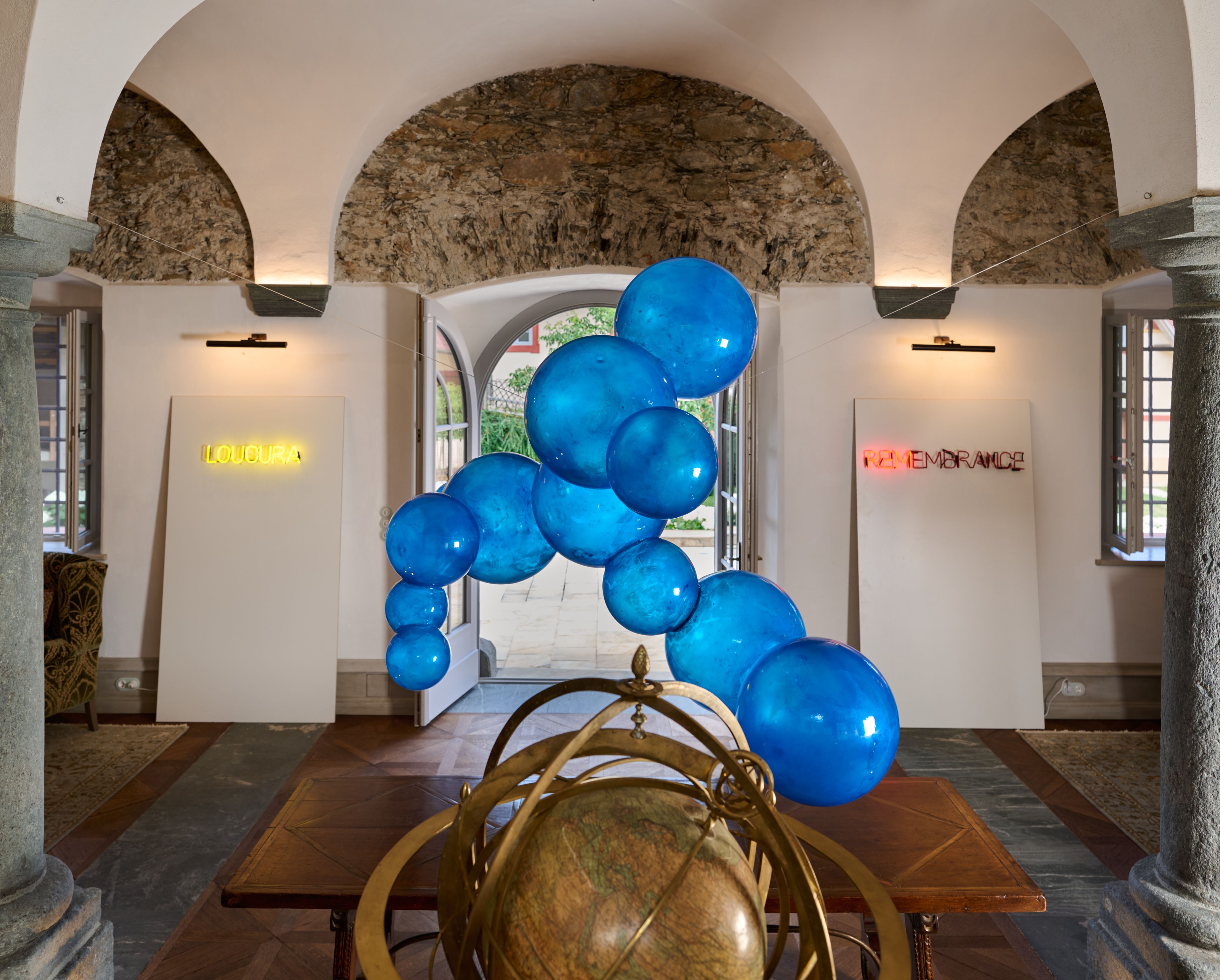
Library 2026 exhibition
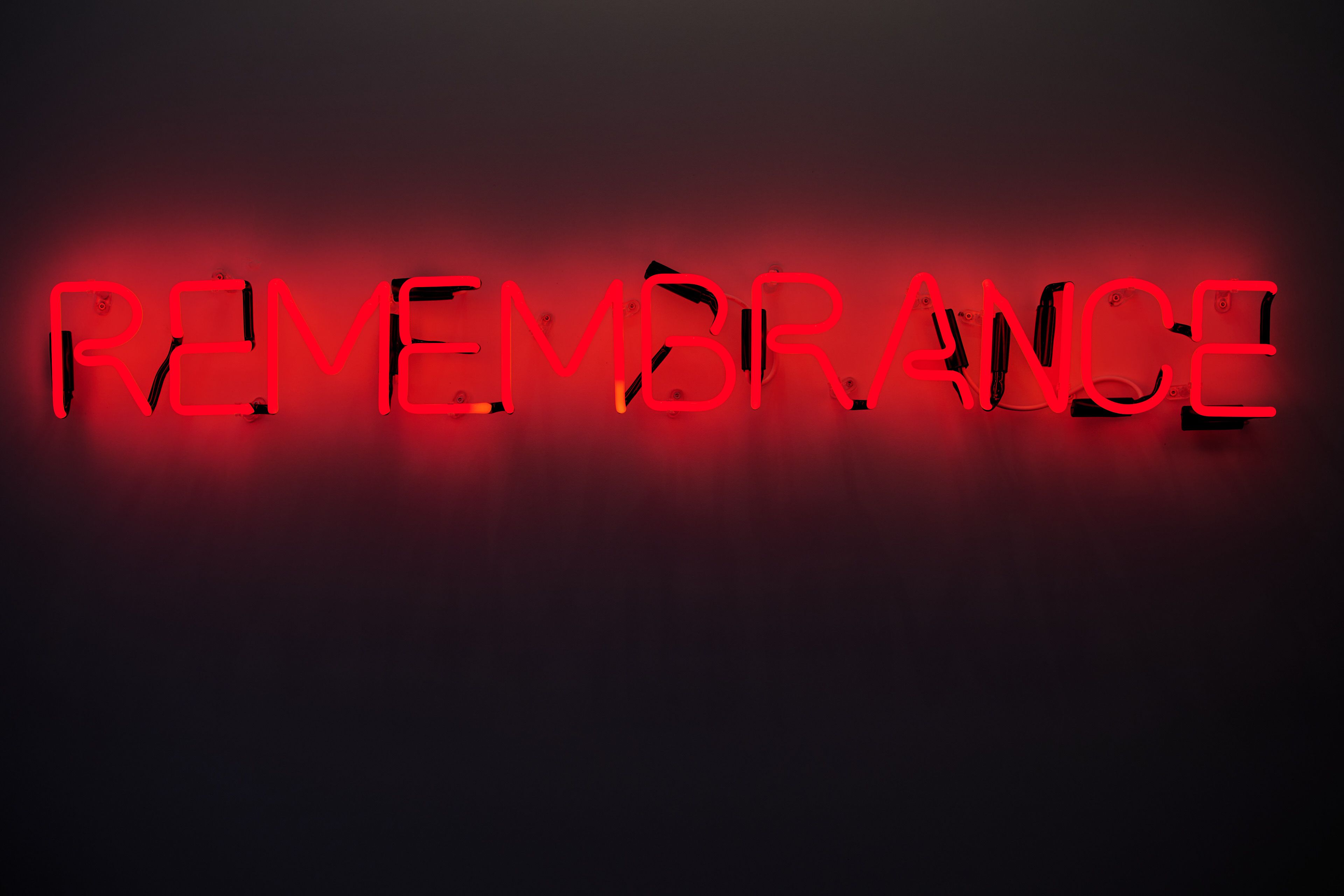
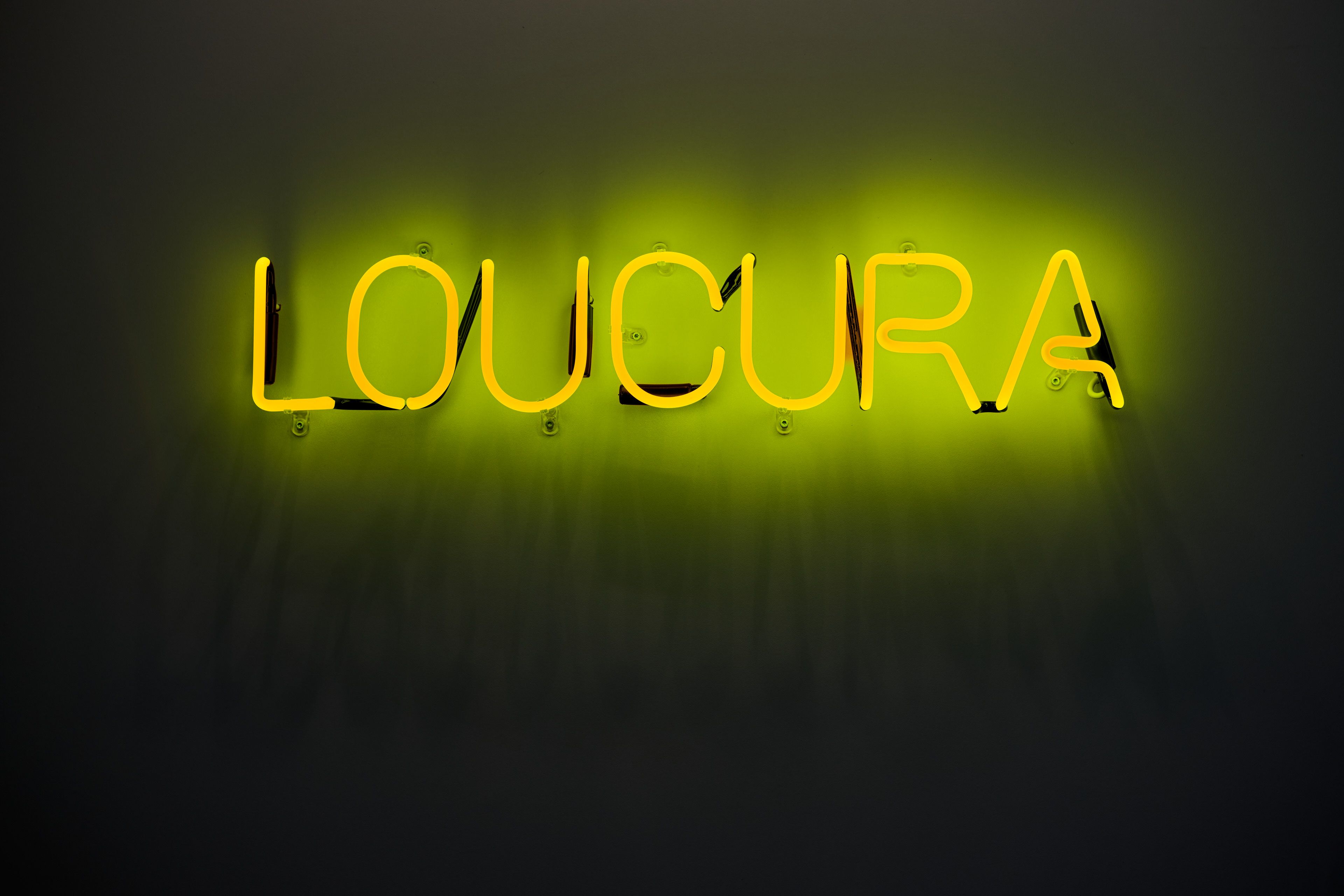
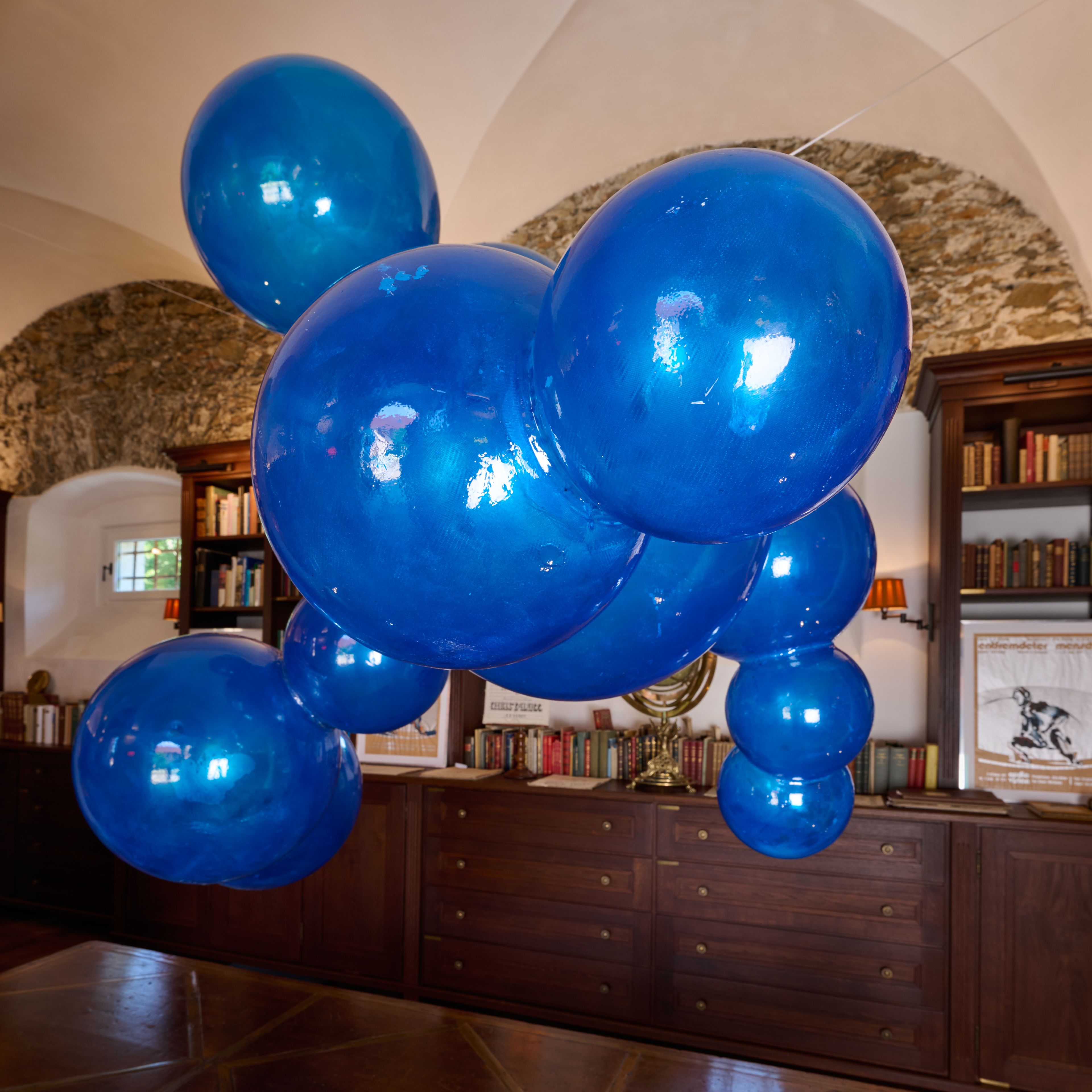
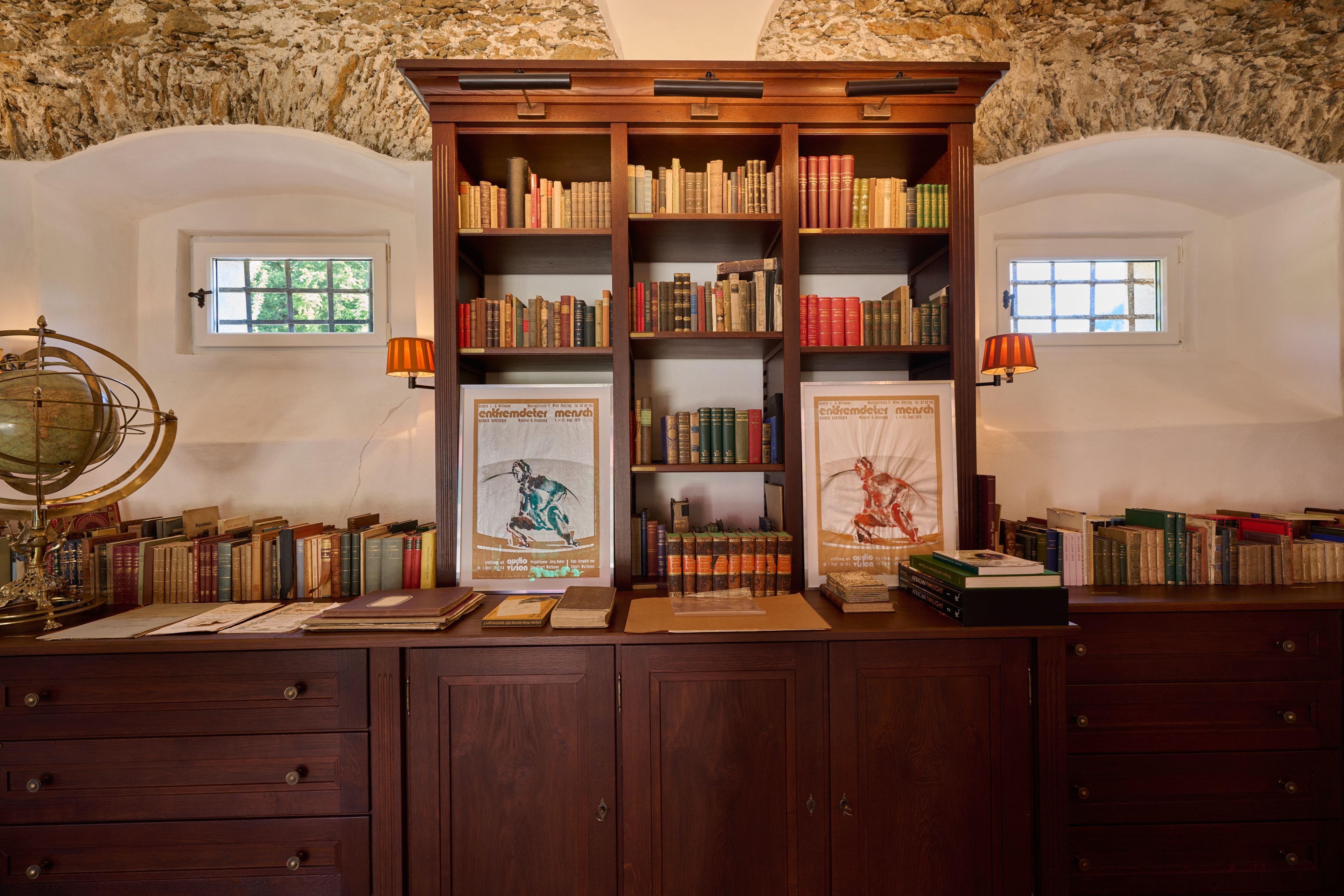
Library 2026 exhibition
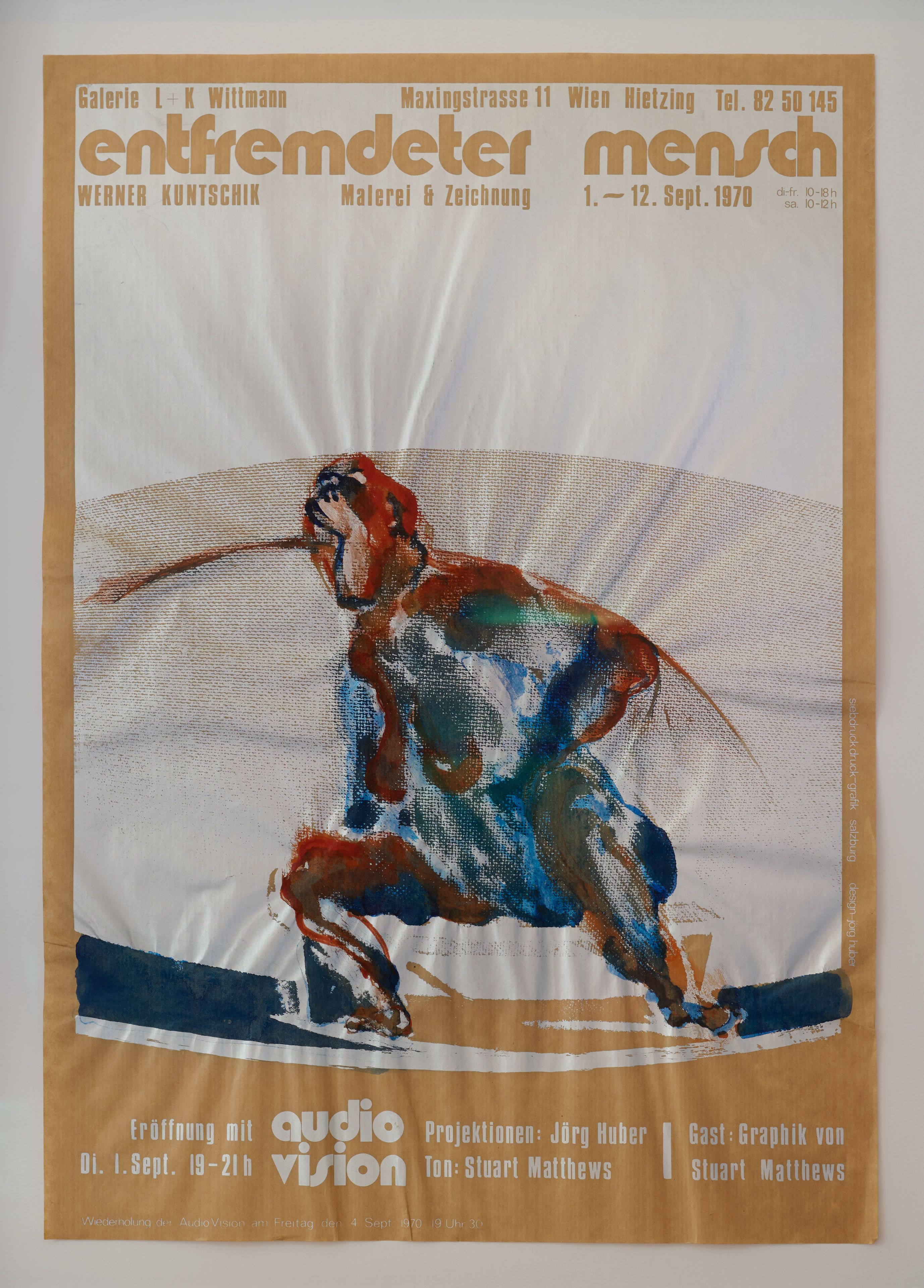
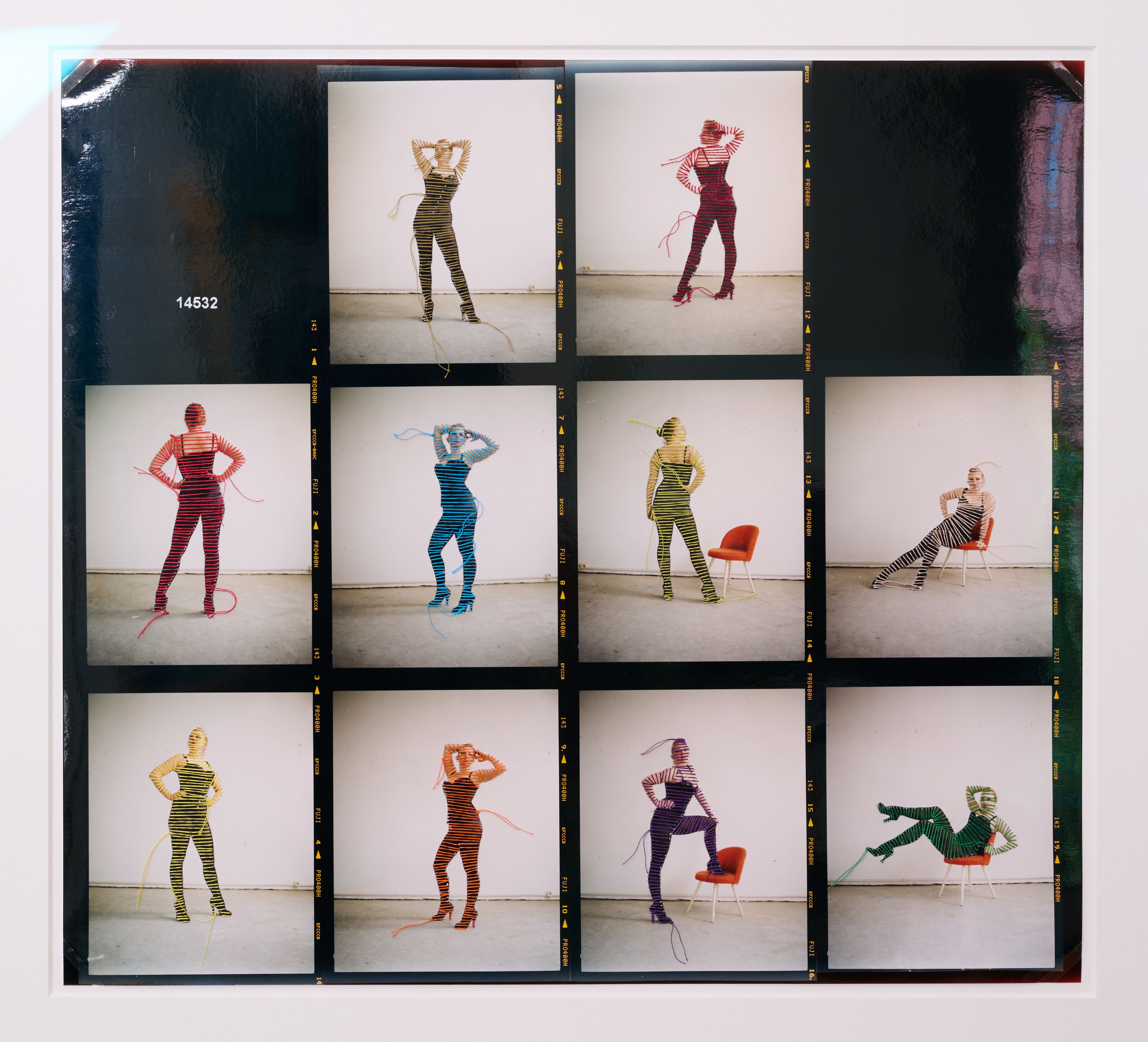
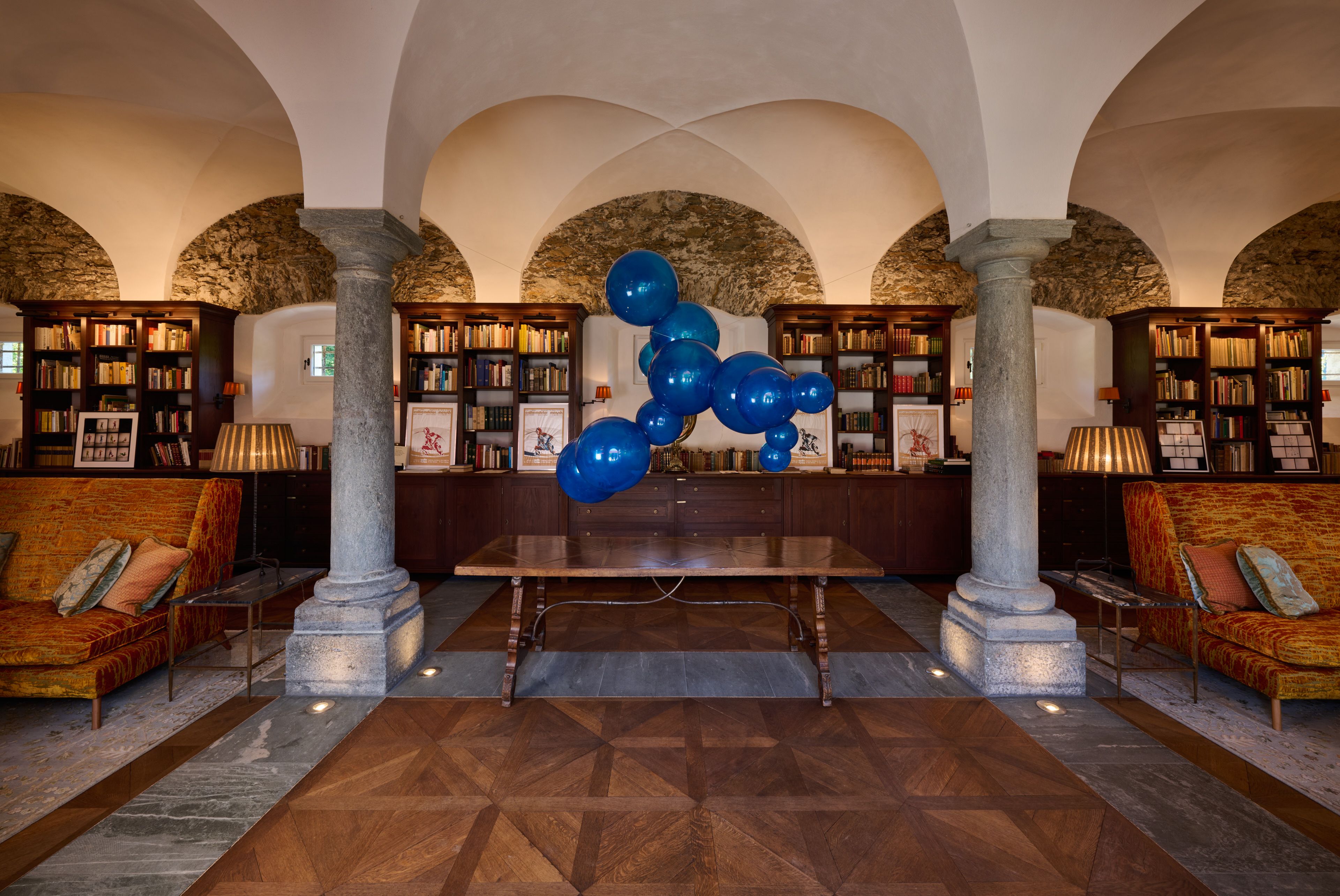
Library 2026 exhibition
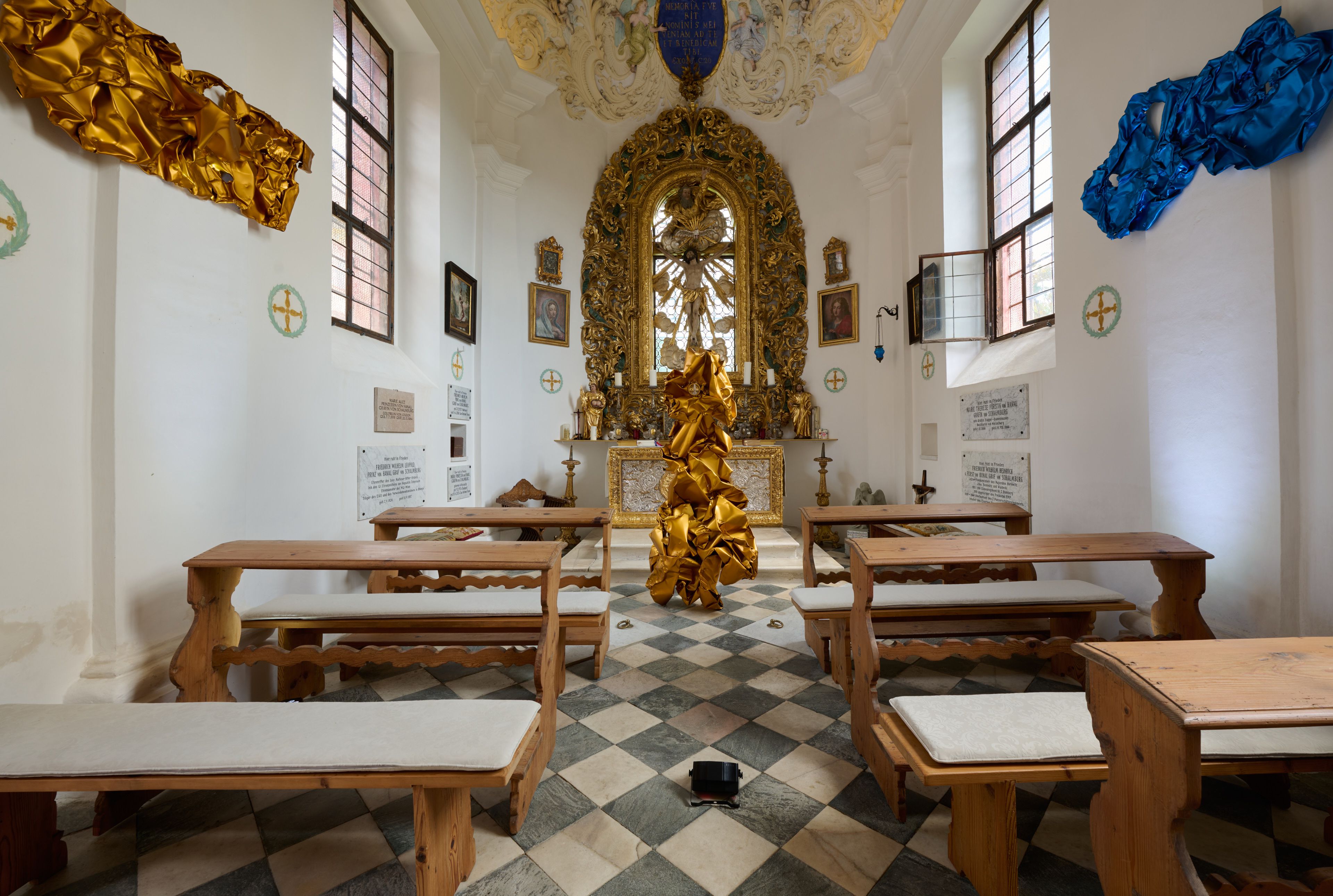
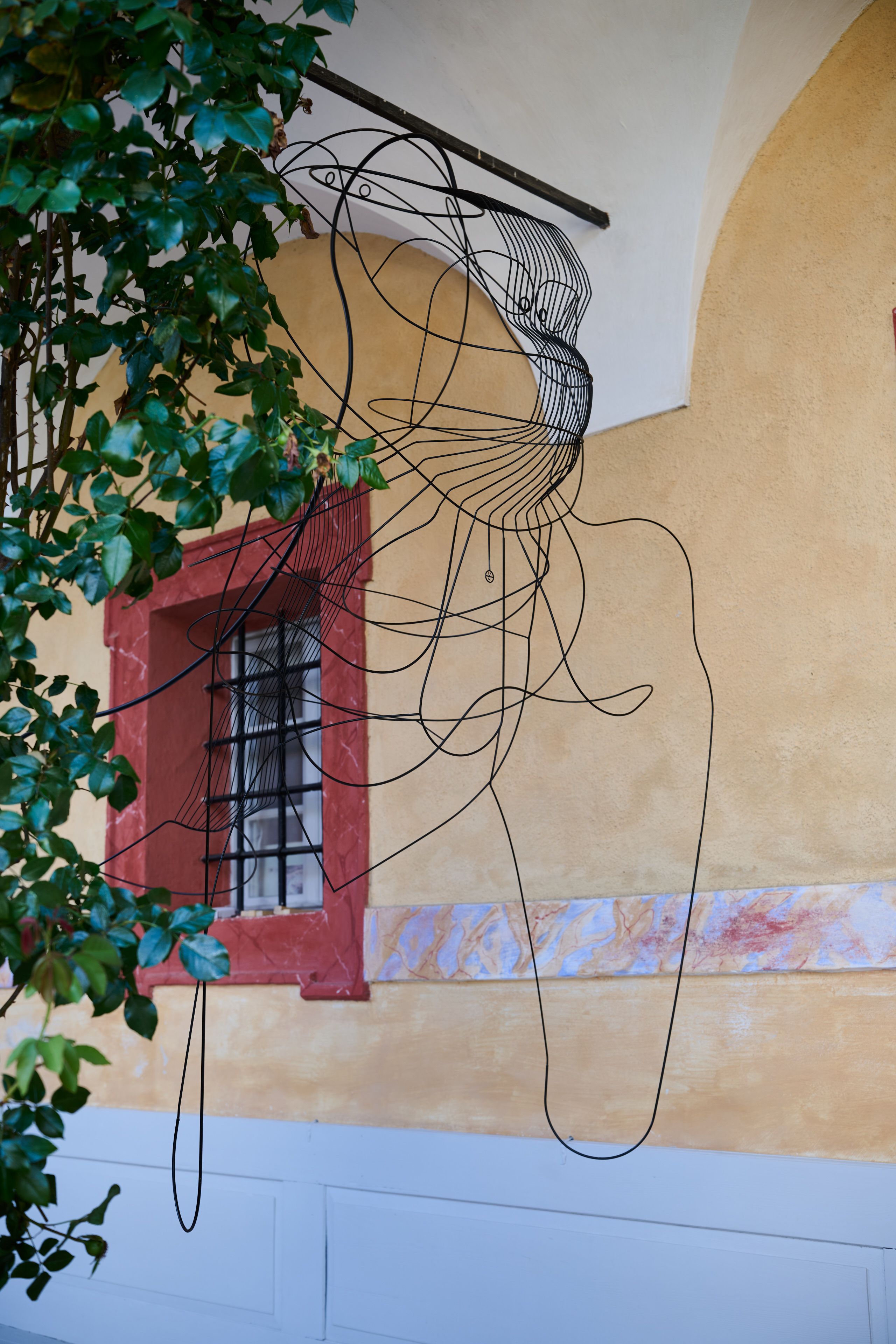
Chapel 2026 exhibition
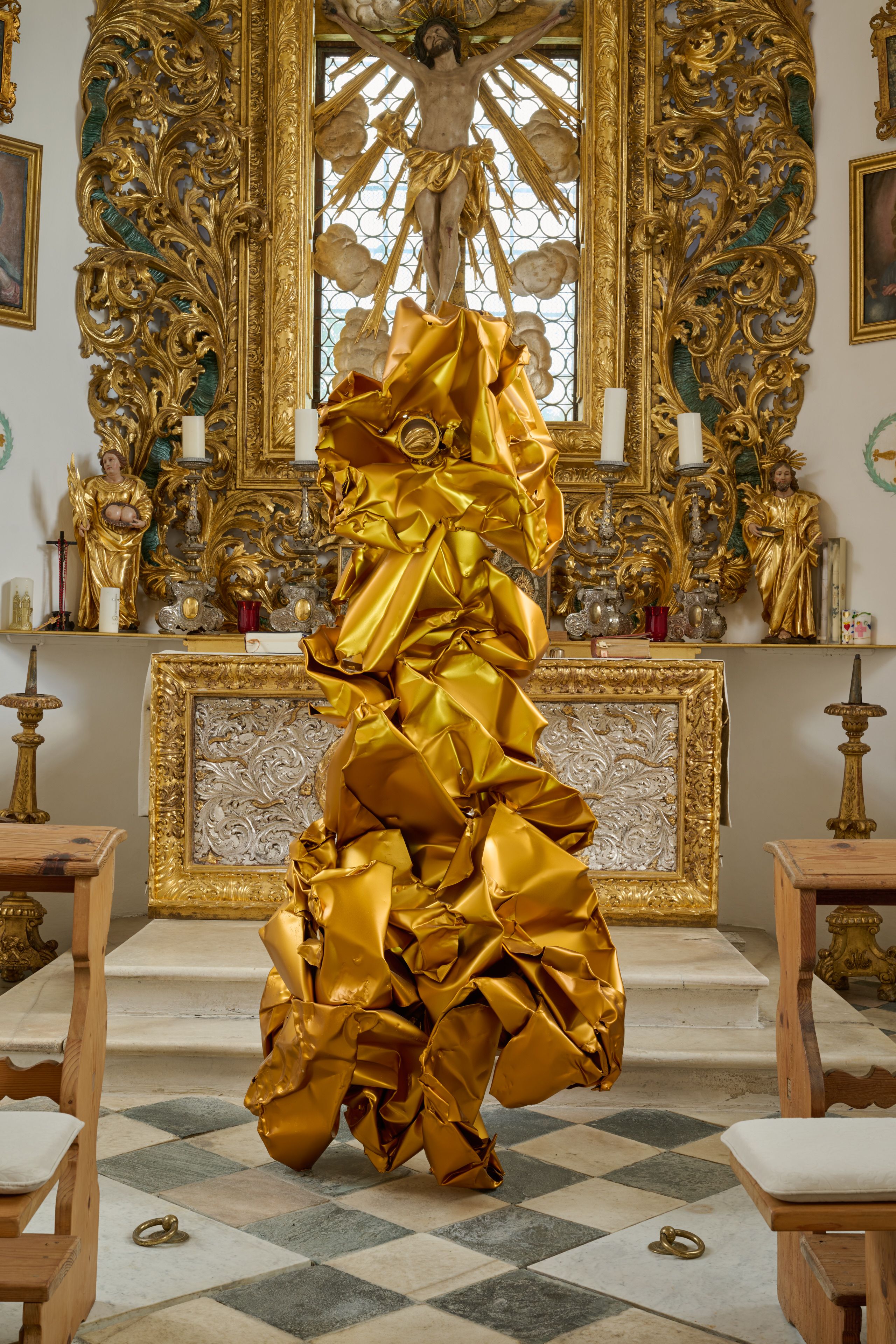
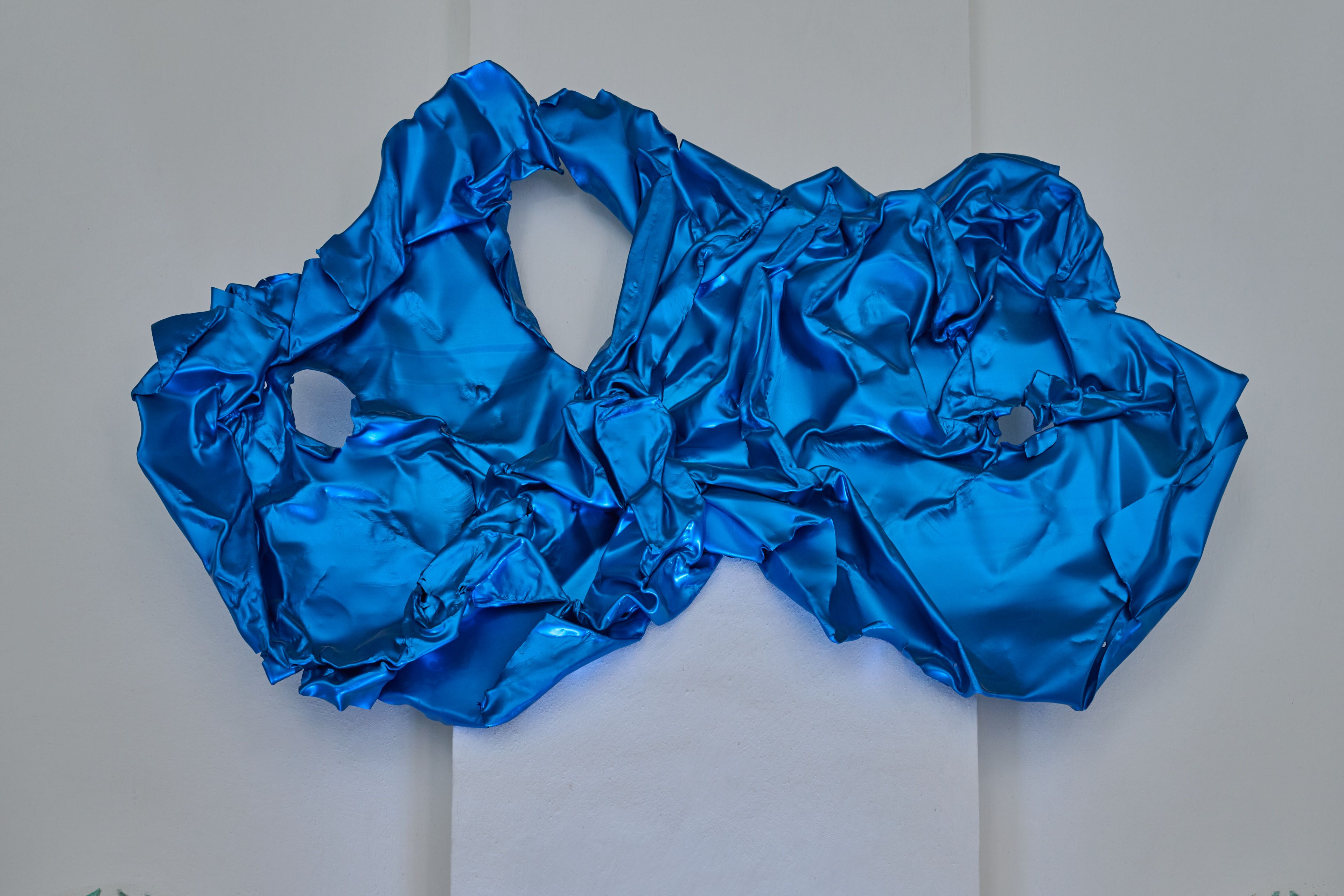
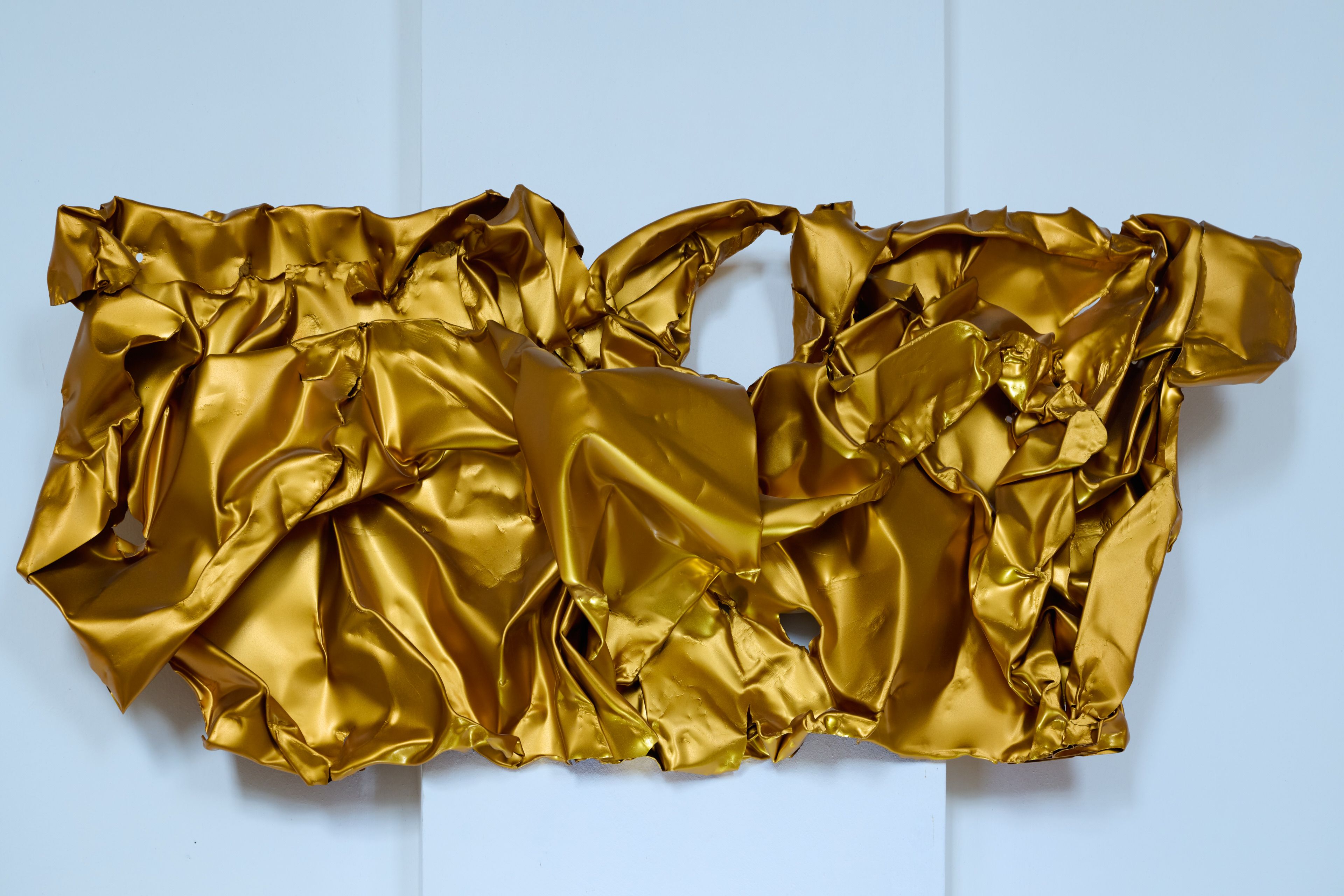
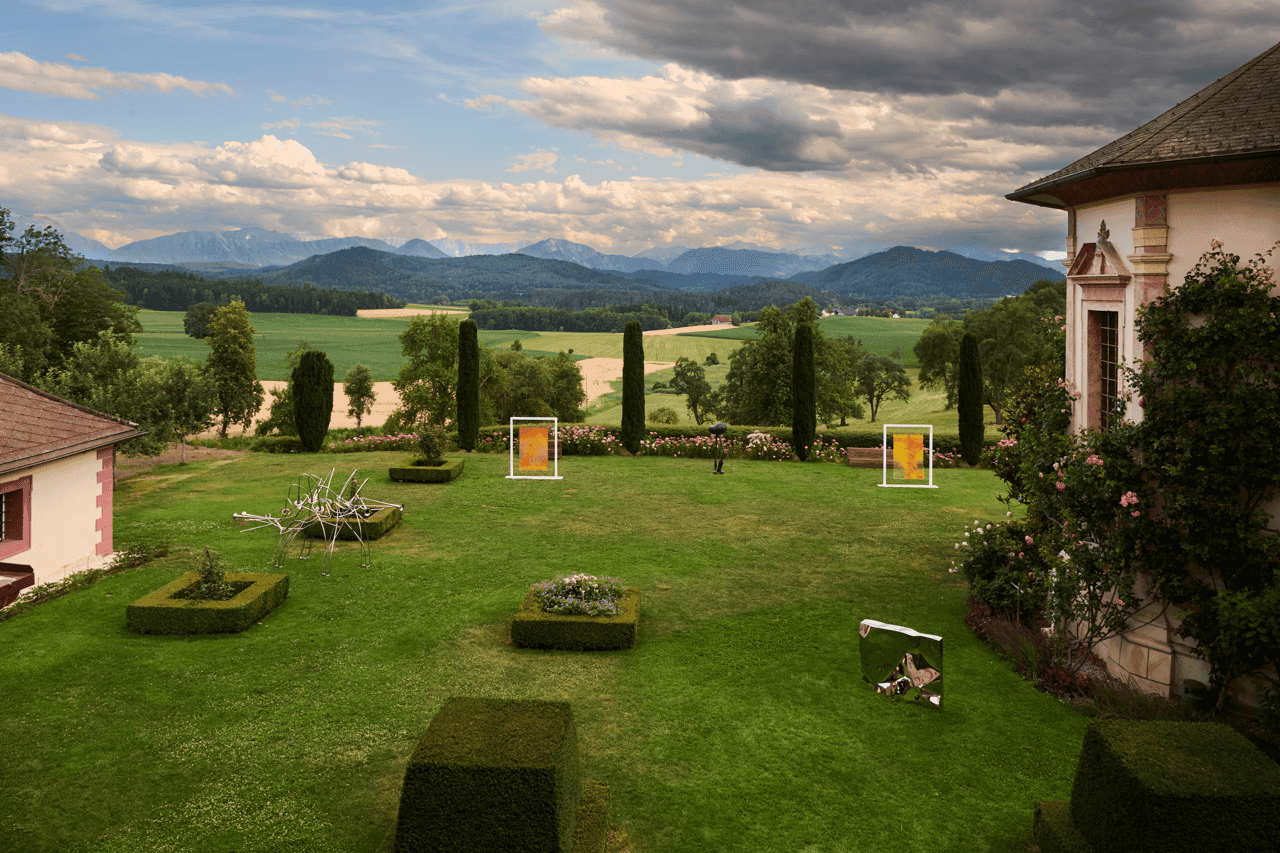
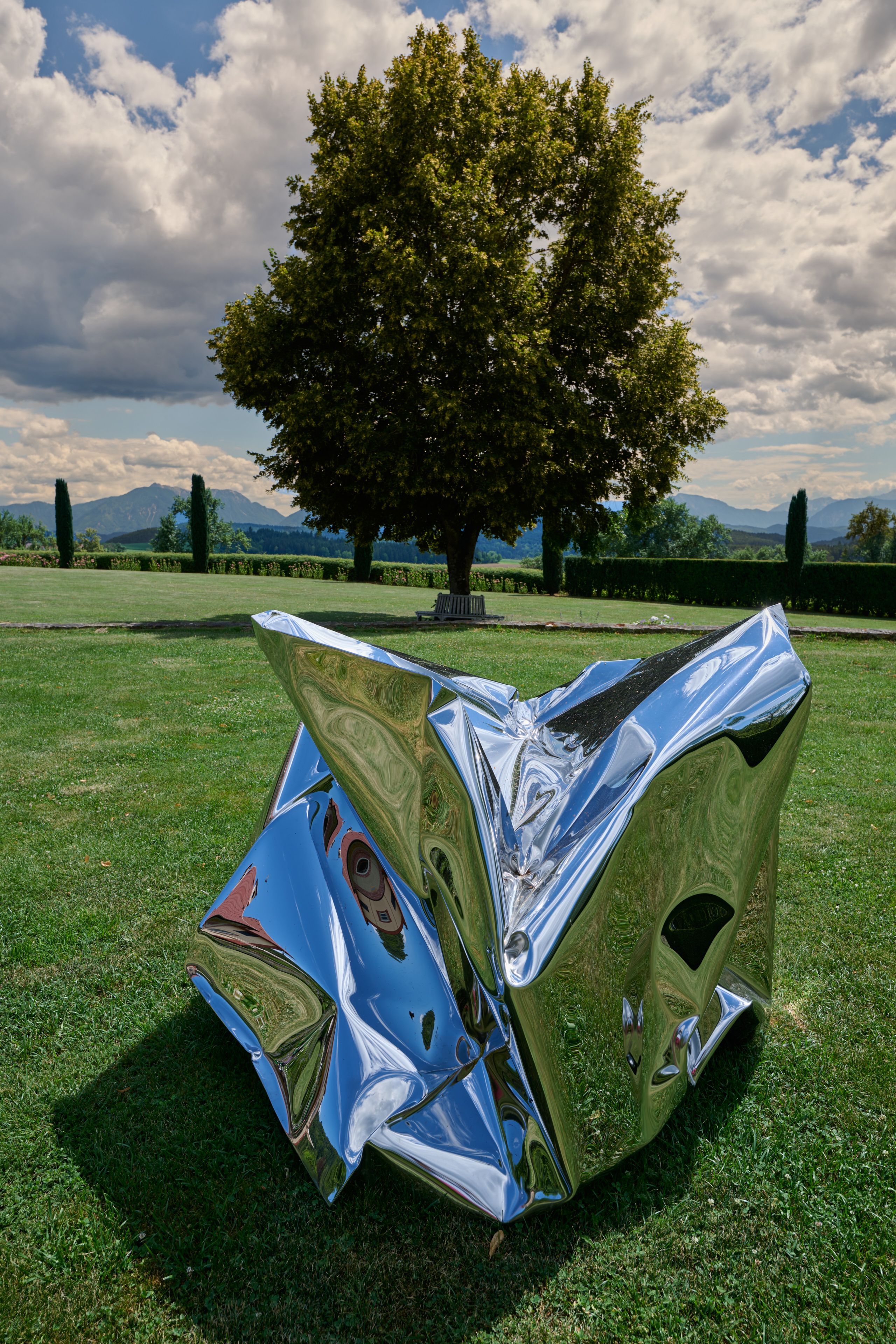
Garden 2026 exhibition
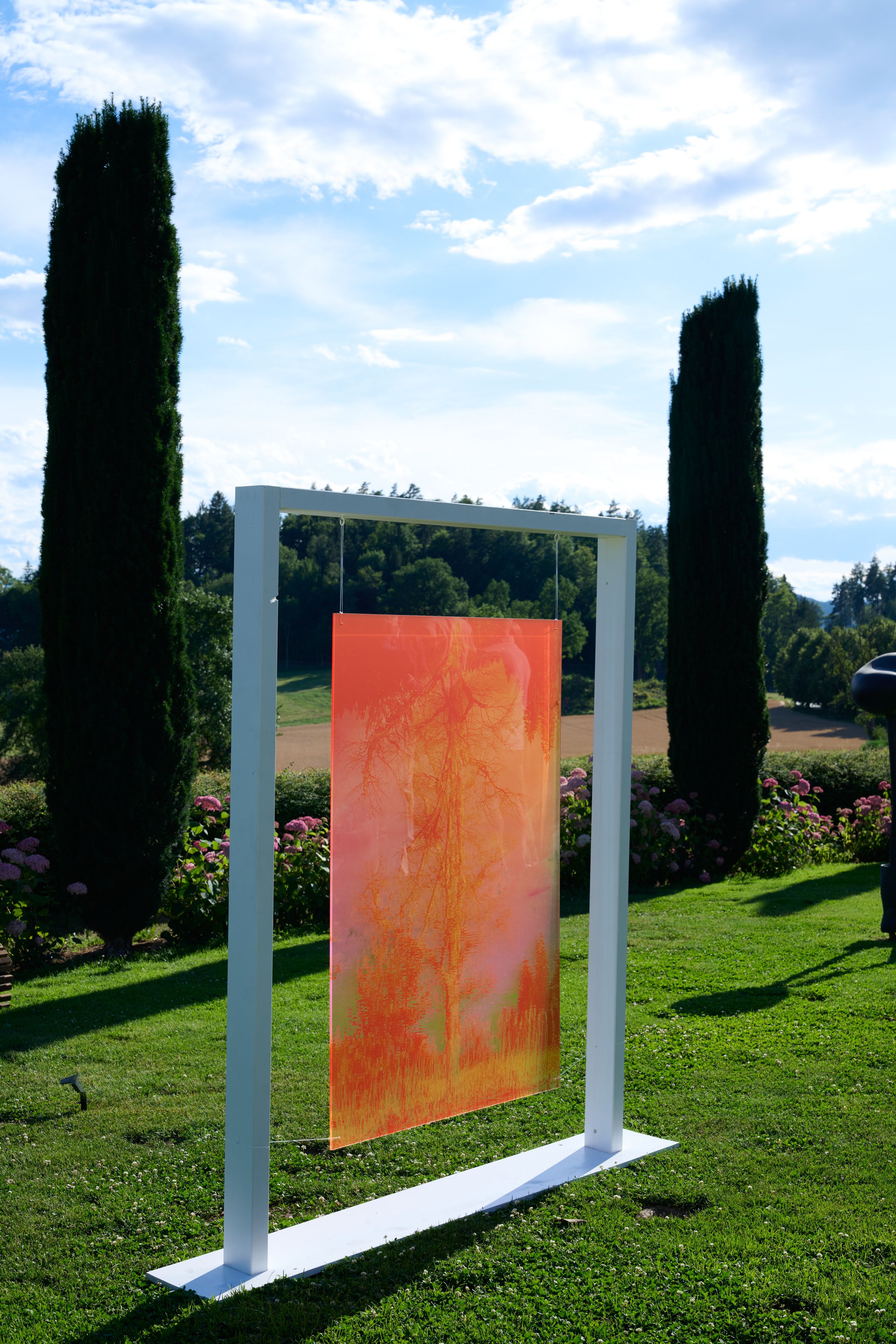
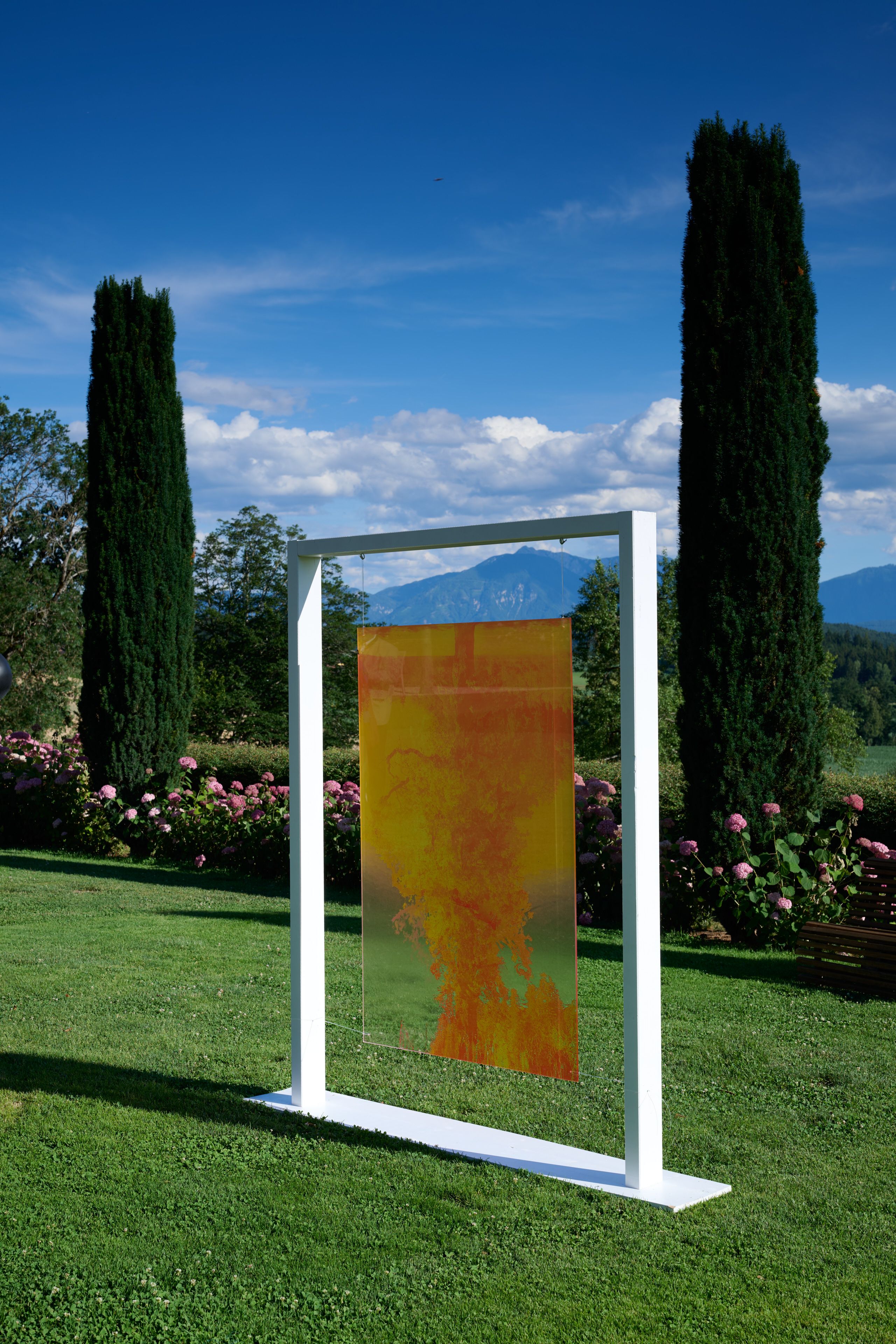
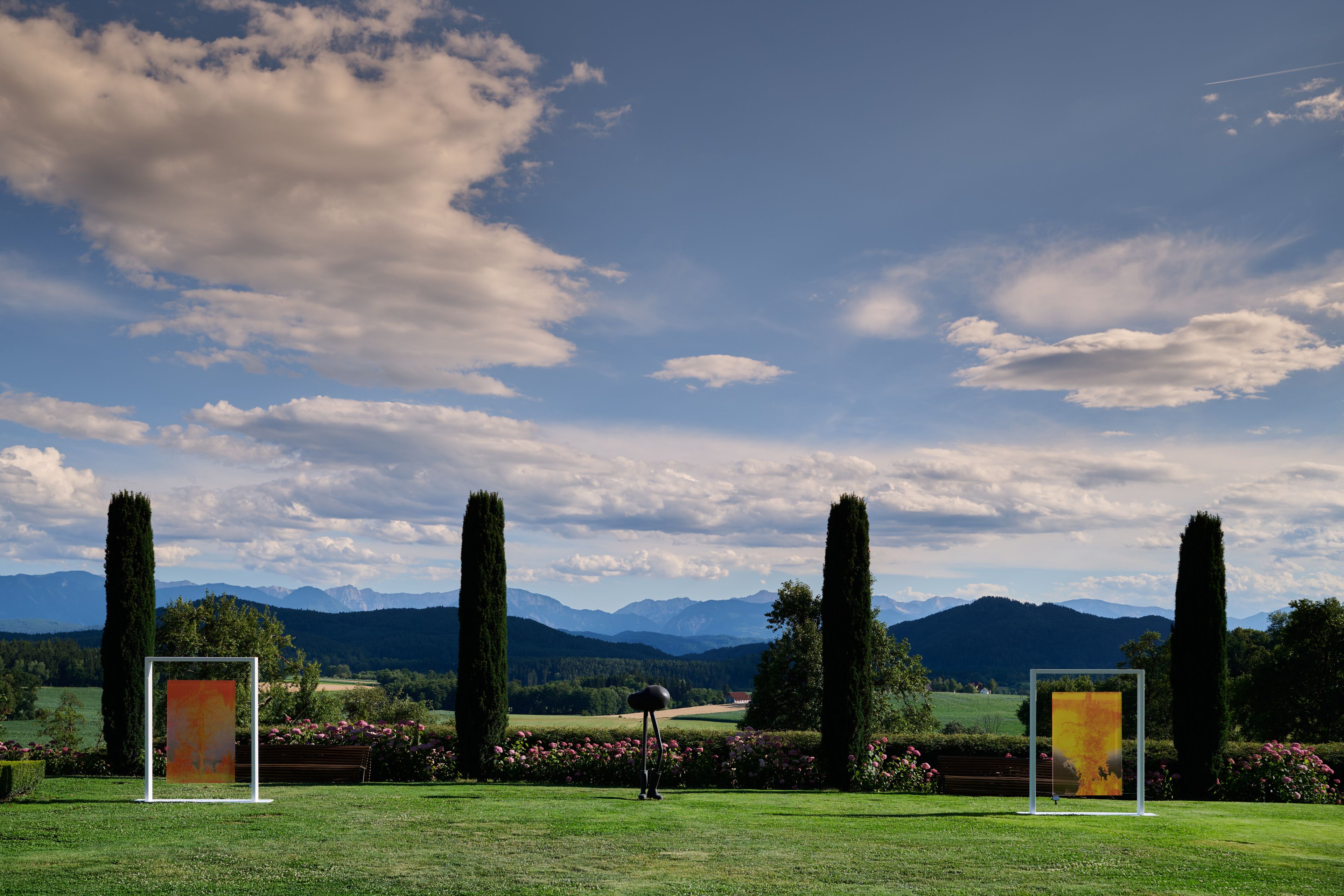
Magda von Hanau, Narcissus (Pink & Yellow), 2025, Photography printed on plexyglass, 150 x 100 cm each
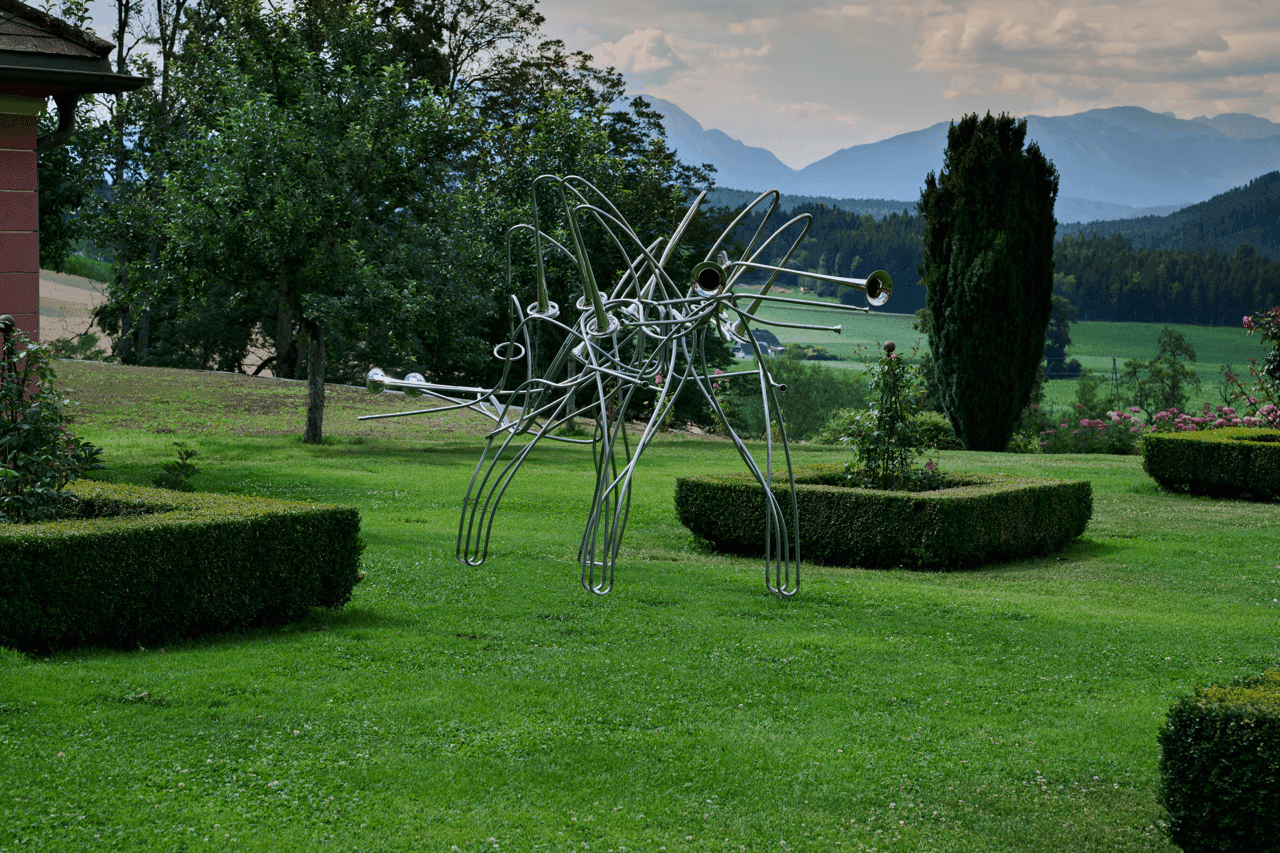
Constantin Luser, Edelstahlsaurus, 2025, Stainless steel/trumpet bell/mouthpieces, 3,89 x 1,20 x 2,0 m
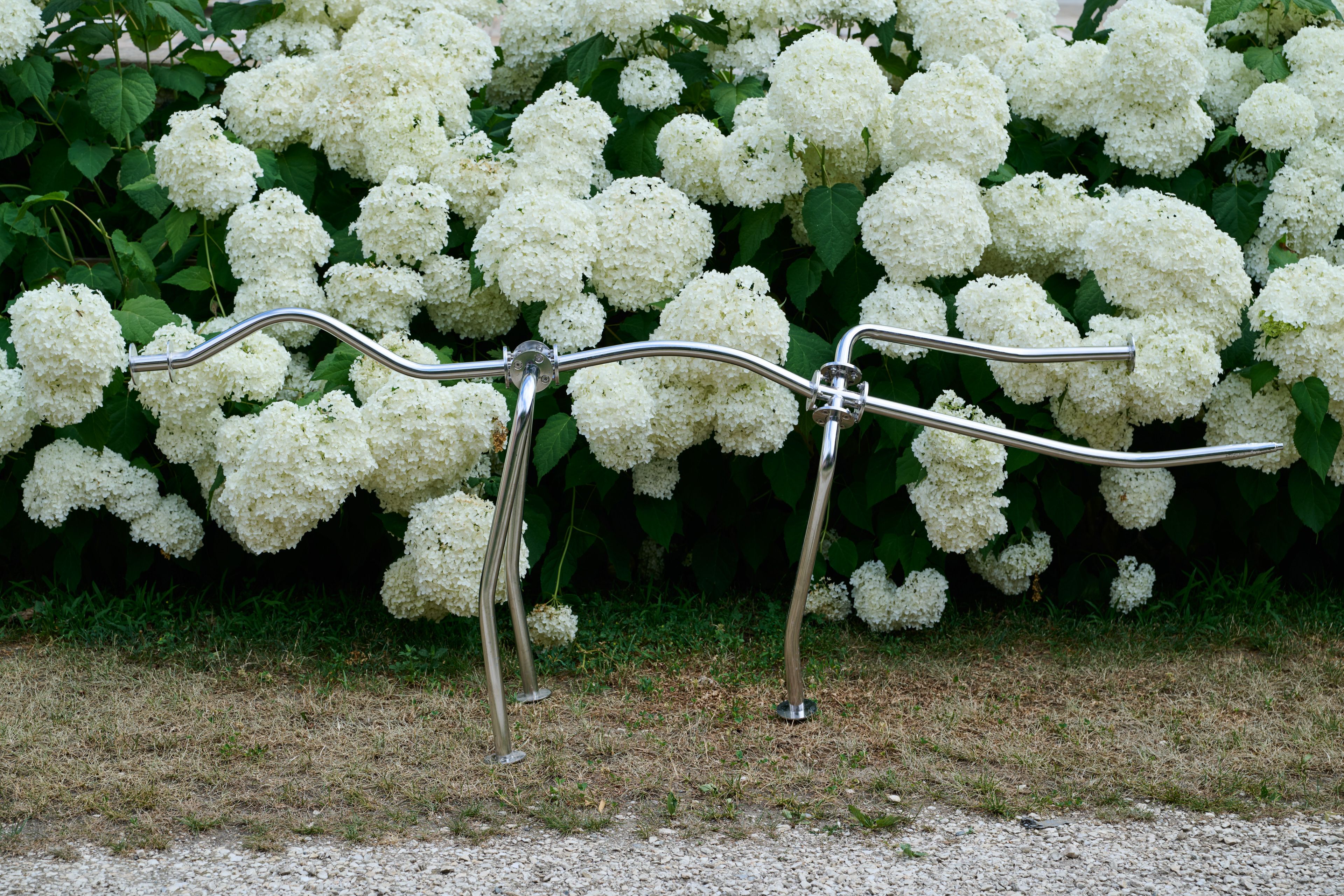
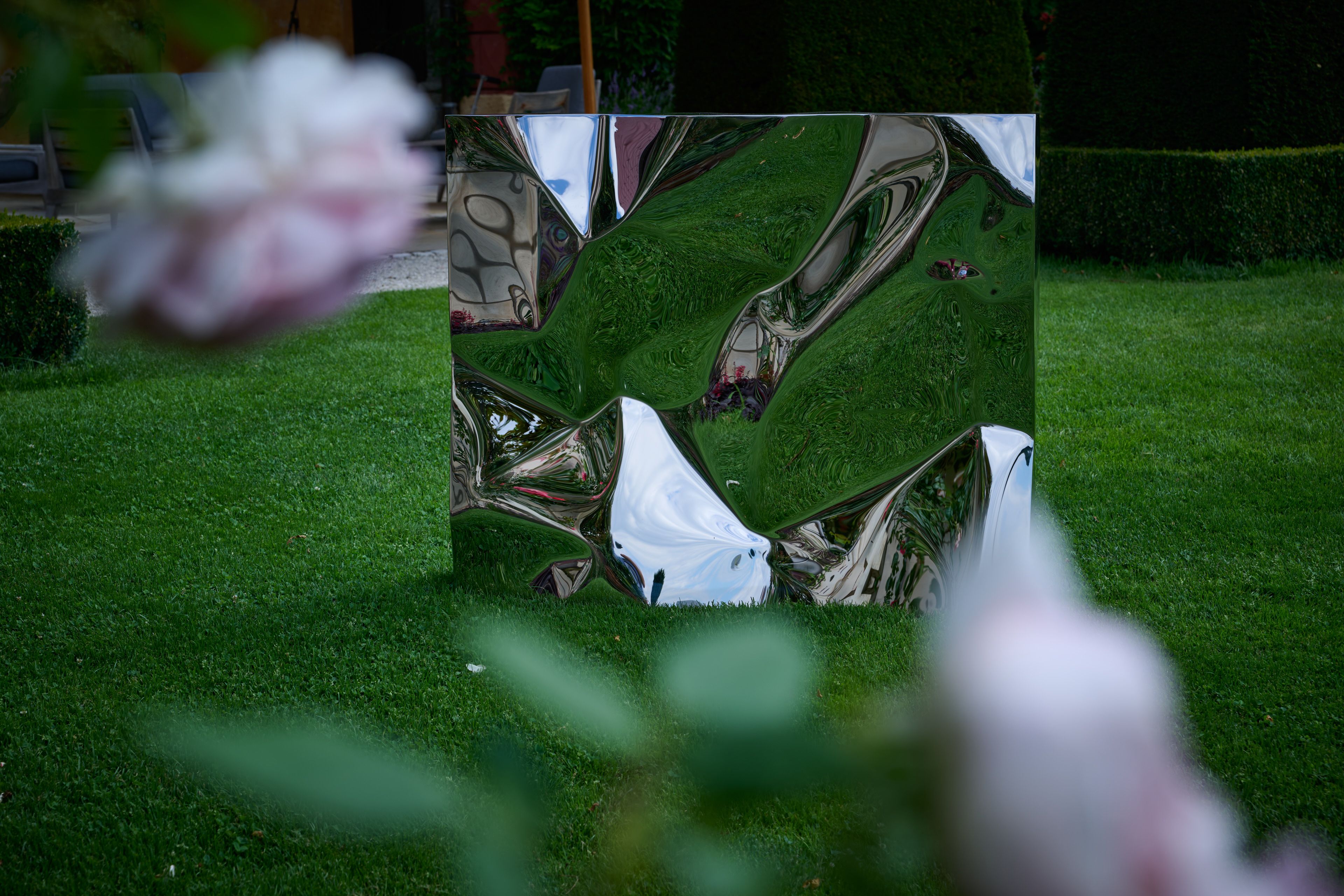
Constantin Luser, Urinosaurus, 2023, Electropolished stainless steel, standardized 3/4" water connection, 180 x 60 x45 cm
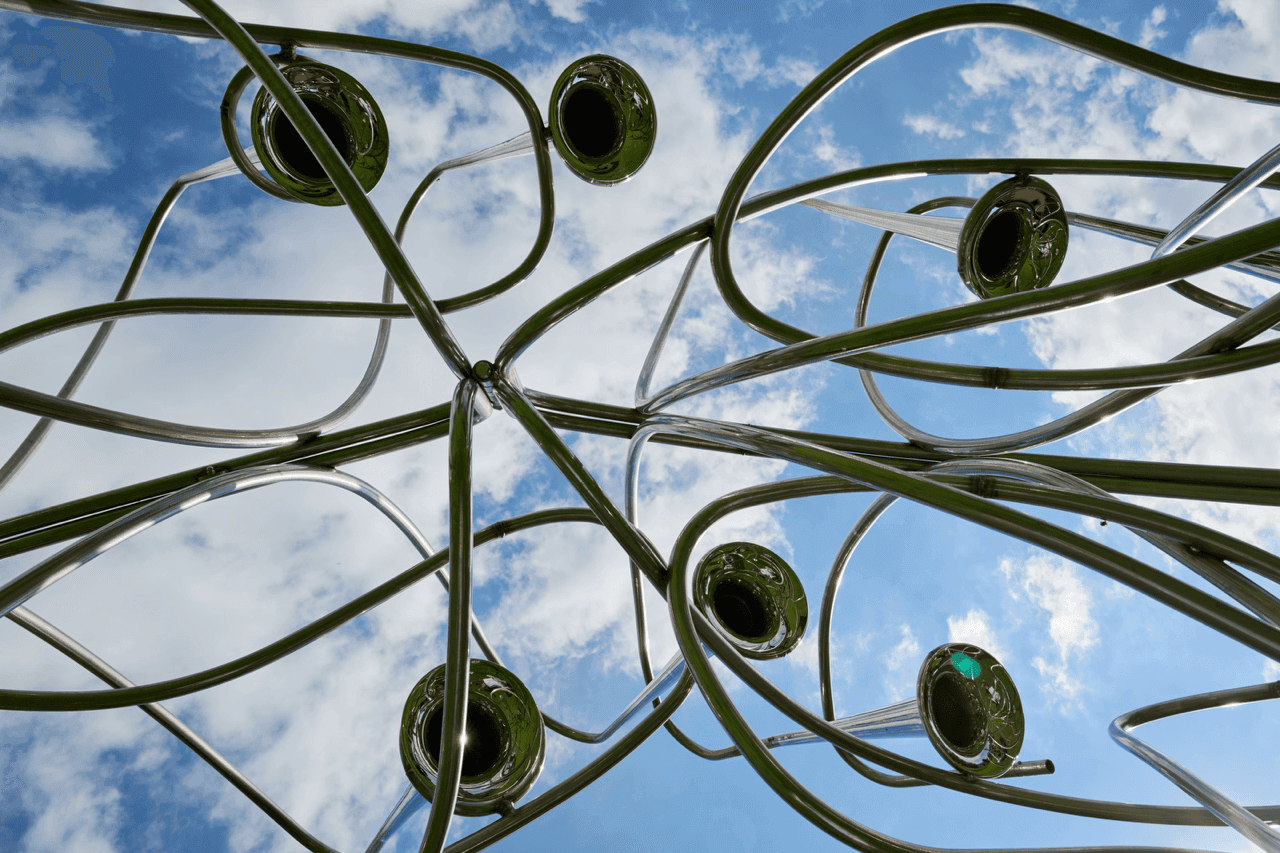
Constantin Luser, Edelstahlsaurus, 2025, Stainless steel/trumpet bell/mouthpieces, 3,89 x 1,20 x 2,0 m